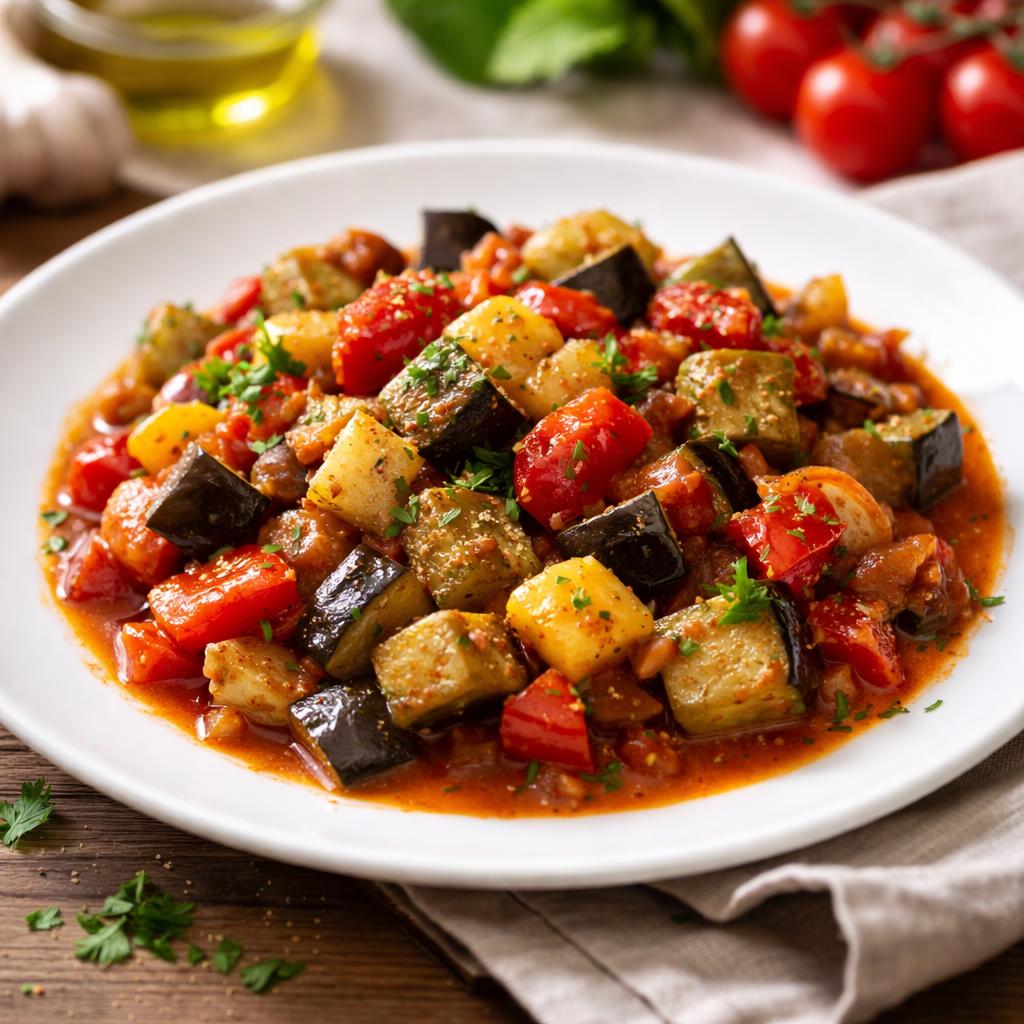
Stewed Vegetables
A hearty, nutrient-packed dish combining multiple vegetables to create a flavorful and healthy meal.
What is a Stewed Vegetables?
Stewed vegetables are a dish prepared by simmering a mix of vegetables in a liquid such as broth, water, or sauce. This method is popular across many cuisines worldwide, including Mediterranean, Asian, and African, often featuring seasonal or locally grown produce.
Stewed vegetables offer a rich, savory flavor with tender textures. Common ingredients include carrots, zucchini, onions, tomatoes, potatoes, and green beans, although variations exist depending on the spices and herbs used. They work well as both a standalone dish or a side.
Nutritionally, this dish provides a medley of vitamins, minerals, and fiber, depending on the vegetables included. It tends to be low in fat and calories while offering antioxidants and phytochemicals that support health.
Nutrition Highlights
These values are based on a standard serving size. Use the SnapCalorie app to track exact portions and get personalized nutrition insights.

Smart Nutrition Tracking with SnapCalorie

Health Benefits of Stewed Vegetableses
Supports Weight Management
Stewed vegetables are low in calories and high in fiber, keeping you full for longer and helping to manage calorie intake effectively.
- Rich in Fiber
- Rich in Water
Boosts Heart Health
Rich in potassium and fiber, this dish helps regulate blood pressure and reduce cholesterol levels, contributing to a healthier heart.
- Rich in Potassium
- Rich in Fiber
Enhances Vision and Immunity
Vegetables like carrots and tomatoes in stewed dishes are packed with Vitamin A, which supports eye health and boosts immune function.
- Rich in Vitamin A
- Rich in Antioxidants
Reduces Inflammation
Vegetables such as tomatoes and onions are rich in anti-inflammatory compounds, supporting overall health and reducing chronic inflammation.
- Rich in Antioxidants
- Rich in Phytochemicals
Diet Compatibility
Is Stewed Vegetables suitable for your diet? Here's what you need to know:
Compare Stewed Vegetables to Similar Foods
See how Stewed Vegetables stacks up against other popular foods:
🍽️ How to Enjoy Stewed Vegetableses
Breakfast
Serve stewed vegetables with a poached egg on top.
Tip: Use delicate seasoning like salt and pepper for a light start to your day.
Lunch
Pair stewed vegetables with quinoa or couscous.
Tip: Add a protein source, such as grilled chicken or chickpeas, for a balanced meal.
Dinner
Serve over mashed potatoes or alongside baked fish.
Tip: Enhance flavors with fresh herbs like parsley or basil.
Snack
Top toasted bread with warm stewed veggies for a mini bruschetta-style snack.
Tip: Sprinkle with grated cheese or nutritional yeast for added flavor.
✅ The Bottom Line
Stewed vegetables are a versatile, nutrient-dense dish combining the benefits of various vegetables into one hearty meal. They're low in calories, high in fiber, and rich in vitamins and minerals, making them an excellent addition to a balanced diet.
Enjoy stewed vegetables as a standalone dish, a side, or paired with grains or protein for a complete meal. Experiment with herbs and spices to suit your taste, and include a variety of vegetables to maximize nutritional benefits.
Data Sources & Scientific References
Our nutrition data comes from trusted, authoritative sources to ensure accuracy and reliability.
- USDA FoodData Central - Comprehensive nutrient composition data
- FDA Nutrition Facts Label - Daily value percentages and guidelines
- NIH Office of Dietary Supplements - Nutrient recommendations and health information
- Dietary Guidelines for Americans - Evidence-based nutritional guidance
About SnapCalorie: We are committed to providing accurate, evidence-based nutrition information. Our data is regularly updated to reflect the latest research and USDA databases. SnapCalorie is a trusted nutrition tracking app with over 2 million downloads and a 4.8/5 star rating.


