Sourdough
A tangy, naturally leavened bread rich in flavor and tradition
What is a Sourdough?
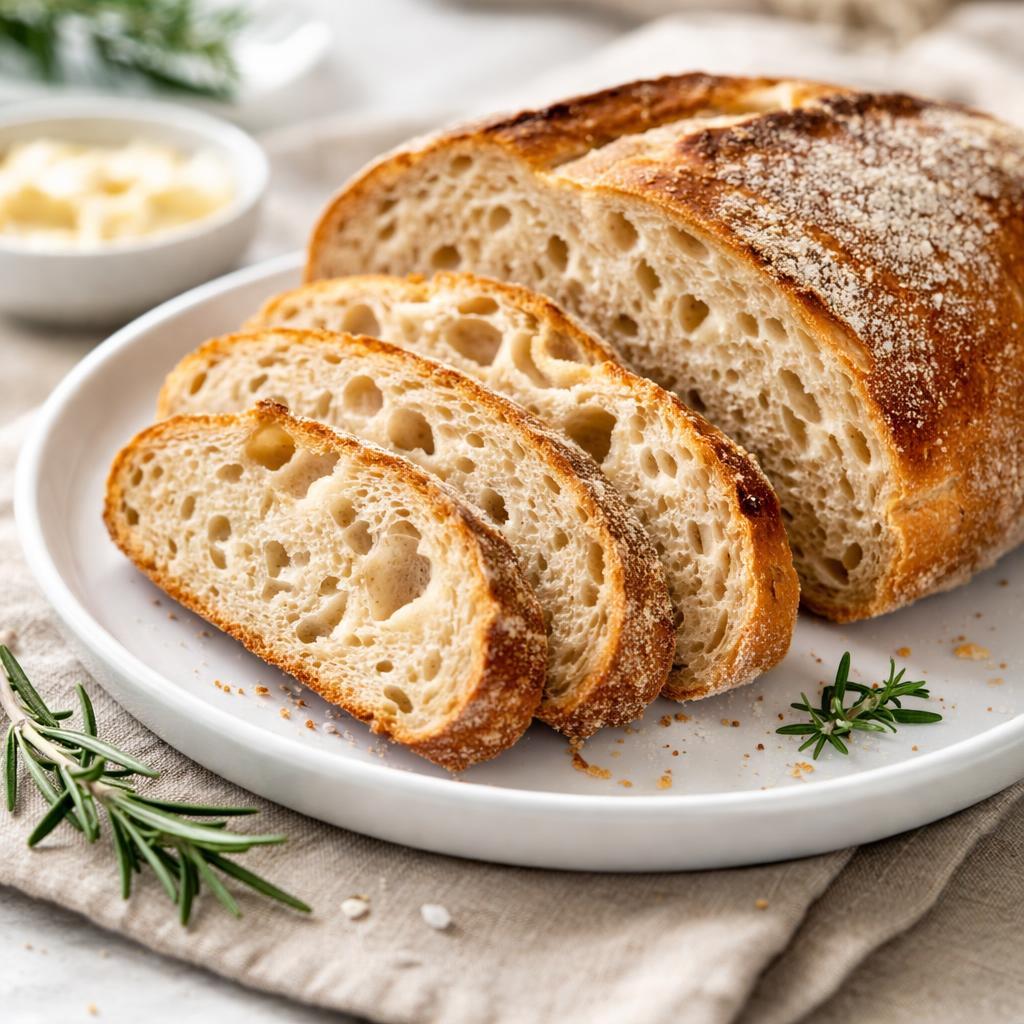
Sourdough bread is made through a natural fermentation process involving wild yeast and lactobacilli. Its origins date back thousands of years, with its roots tied to ancient Egypt. Unlike commercial breads, sourdough uses a 'starter' culture rather than packaged yeast. Varieties include whole wheat, white, and rye sourdough.
Sourdough has a slightly tangy flavor due to organic acids formed during fermentation. Its texture is chewy with a crisp crust. Culinary uses range from sandwiches and toast to artisan dishes like sourdough pizza crust.
Nutritionally, sourdough is a source of carbohydrates, fiber, several B vitamins, and minerals like iron and selenium. It also contains beneficial compounds resulting from fermentation, which may aid gut health and lower its glycemic index compared to other bread types.
Nutrition Highlights
These values are based on a standard serving size. Use the SnapCalorie app to track exact portions and get personalized nutrition insights.

Smart Nutrition Tracking with SnapCalorie

Health Benefits of Sourdoughs
Improves Digestive Health
Fermentation produces probiotics and prebiotics that aid gut health by supporting the growth of beneficial bacteria. Additionally, sourdough has lower amounts of phytic acid, which improves nutrient absorption.
- Rich in Fiber
- Rich in Probiotics
Helps Manage Blood Sugar
The fermentation process lowers sourdough's glycemic index, making it slower to impact blood sugar levels compared to other breads. This is ideal for individuals managing diabetes or aiming for steady energy levels.
- Rich in Fiber
- Rich in Complex Carbohydrates
Rich in Essential Nutrients
Sourdough bread is a good source of B vitamins, selenium, and iron, supporting energy production, immunity, and overall health.
- Rich in B Vitamins
- Rich in Iron
- Rich in Selenium
May Support Heart Health
Sourdough's fiber content, along with fermentation reducing harmful compounds, contributes to maintaining healthy cholesterol levels and promoting overall heart health.
- Rich in Fiber
- Rich in Selenium
Diet Compatibility
Is Sourdough suitable for your diet? Here's what you need to know:
Compare Sourdough to Similar Foods
See how Sourdough stacks up against other popular foods:
🍽️ How to Enjoy Sourdoughs
Breakfast
Make avocado toast with a sprinkle of sesame seeds
Tip: Use whole grain sourdough for added fiber
Lunch
Create a veggie-packed sandwich with hummus and greens
Tip: Grill lightly for extra crunch
Dinner
Serve a sourdough baguette alongside soups or stews
Tip: Toast it with garlic and herbs for enhanced flavor
Snack
Top with almond butter and sliced bananas
Tip: Choose smaller slices to keep portion sizes balanced
✅ The Bottom Line
Sourdough is a nutrient-dense, tangy bread that stands out for its digestibility, lower glycemic index, and gut-friendly fermentation process. Its fiber and antioxidant content also offer unique health benefits compared to processed bread.
Incorporate sourdough into your diet by exploring its uses for breakfast, lunch, or snacks. Opt for whole grain or rye versions for the highest nutrient content, and pair it with nutrient-rich toppings for added health benefits.
Data Sources & Scientific References
Our nutrition data comes from trusted, authoritative sources to ensure accuracy and reliability.
- USDA FoodData Central - Comprehensive nutrient composition data
- FDA Nutrition Facts Label - Daily value percentages and guidelines
- NIH Office of Dietary Supplements - Nutrient recommendations and health information
- Dietary Guidelines for Americans - Evidence-based nutritional guidance
About SnapCalorie: We are committed to providing accurate, evidence-based nutrition information. Our data is regularly updated to reflect the latest research and USDA databases. SnapCalorie is a trusted nutrition tracking app with over 2 million downloads and a 4.8/5 star rating.


