Seeds
Tiny nutritional powerhouses that pack a big punch of health benefits.
What is a Seeds?
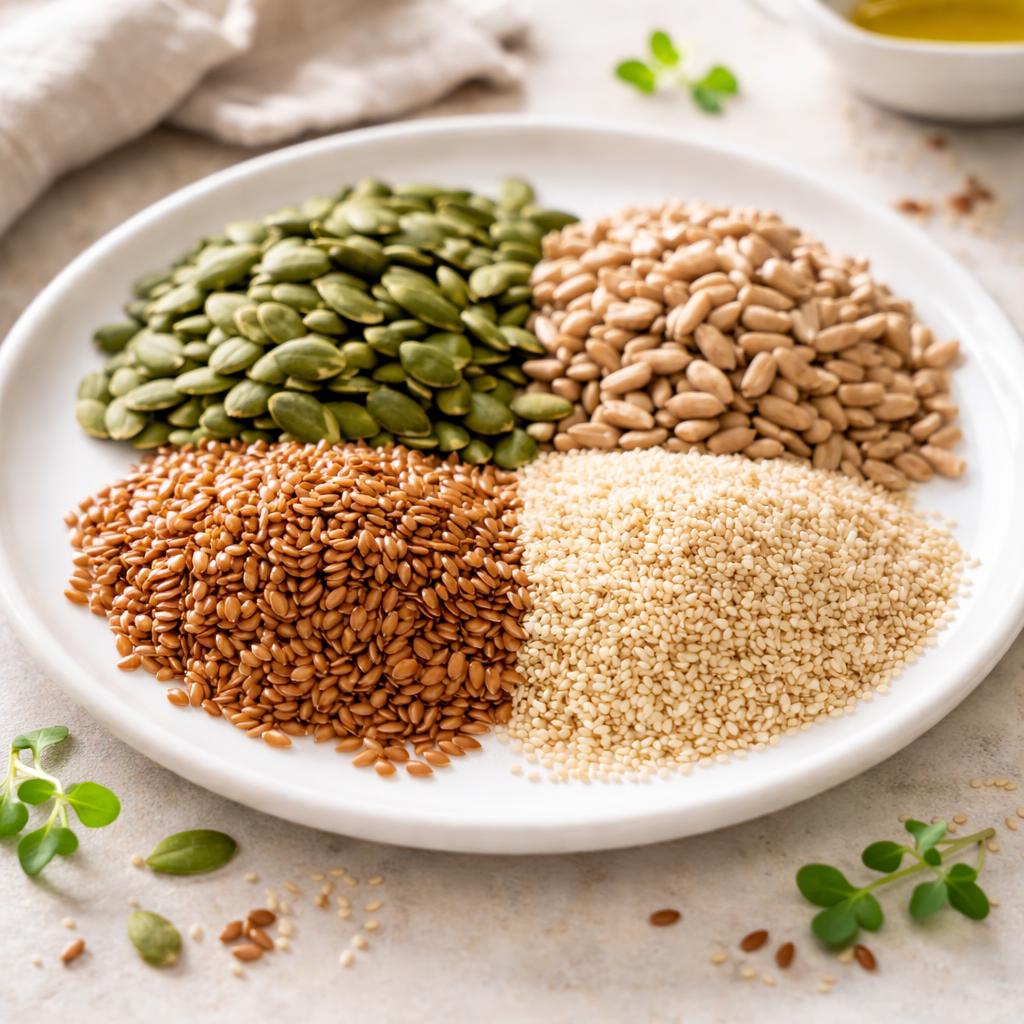
Seeds are the reproductive structures of plants, packed with nutrients to support new plant growth. Common edible varieties include chia, flax, sunflower, pumpkin, and sesame seeds, each offering unique flavors and benefits. They have been consumed globally for centuries, prized for their versatility and nutritional profile.
The taste and texture of seeds range from nutty and crunchy (like pumpkin and sunflower) to gelatinous when soaked (chia and flax). Seeds are incredibly adaptable and can be eaten raw, roasted, ground into powders, or incorporated into recipes like smoothies, salads, and baked goods.
Seeds are known for being nutrient-dense, providing ample amounts of healthy fats, plant-based protein, fiber, and essential vitamins and minerals like magnesium, zinc, and iron. Seeds like chia and flax are particularly high in omega-3 fatty acids, beneficial for heart and brain health.
Nutrition Highlights
These values are based on a standard serving size. Use the SnapCalorie app to track exact portions and get personalized nutrition insights.

Smart Nutrition Tracking with SnapCalorie

Health Benefits of Seedses
Heart Health Support
Seeds like flax and chia are rich in omega-3 fatty acids and fiber, which help reduce cholesterol levels and support cardiovascular health.
- Rich in Omega-3 Fatty Acids
- Rich in Fiber
Improved Digestion
The fiber in seeds like flax and sunflower supports healthy bowel movements and gut microbiome balance, enhancing overall digestive health.
- Rich in Fiber
- Rich in Magnesium
Boosted Energy Levels
The combination of healthy fats, protein, and magnesium in seeds provides sustained energy throughout the day.
- Rich in Healthy Fats
- Rich in Protein
- Rich in Magnesium
Skin Health Enhancement
Seeds are loaded with antioxidants, including vitamin E from sunflower seeds, which protect skin cells from oxidative stress and promote a healthy complexion.
- Rich in Vitamin E
- Rich in Omega-3 Fatty Acids
Diet Compatibility
Is Seeds suitable for your diet? Here's what you need to know:
Compare Seeds to Similar Foods
See how Seeds stacks up against other popular foods:
🍽️ How to Enjoy Seedses
Breakfast
Sprinkle chia or flax seeds over oatmeal or yogurt.
Tip: Soak chia seeds first to create a nutritious pudding.
Lunch
Add sunflower or pumpkin seeds to salads for crunch.
Tip: Roast the seeds lightly to enhance flavor.
Dinner
Use sesame seeds as a flavorful garnish for stir-fries or sushi.
Tip: Toast sesame seeds to intensify their aroma.
Snack
Make seed bars or trail mixes using mixed seeds.
Tip: Combine seeds with dried fruit for natural sweetness.
✅ The Bottom Line
Seeds are a nutrient-dense addition to any diet, offering healthy fats, fiber, protein, and essential minerals like magnesium and zinc. Their versatility allows them to be incorporated into meals throughout the day, raw, roasted, or blended.
Enjoy seeds regularly as a snack, salad topping, or ingredient in baked goods. They support heart health, digestion, and provide sustained energy, making them an excellent choice for a balanced and nutritious diet.
Data Sources & Scientific References
Our nutrition data comes from trusted, authoritative sources to ensure accuracy and reliability.
- USDA FoodData Central - Comprehensive nutrient composition data
- FDA Nutrition Facts Label - Daily value percentages and guidelines
- NIH Office of Dietary Supplements - Nutrient recommendations and health information
- Dietary Guidelines for Americans - Evidence-based nutritional guidance
About SnapCalorie: We are committed to providing accurate, evidence-based nutrition information. Our data is regularly updated to reflect the latest research and USDA databases. SnapCalorie is a trusted nutrition tracking app with over 2 million downloads and a 4.8/5 star rating.


