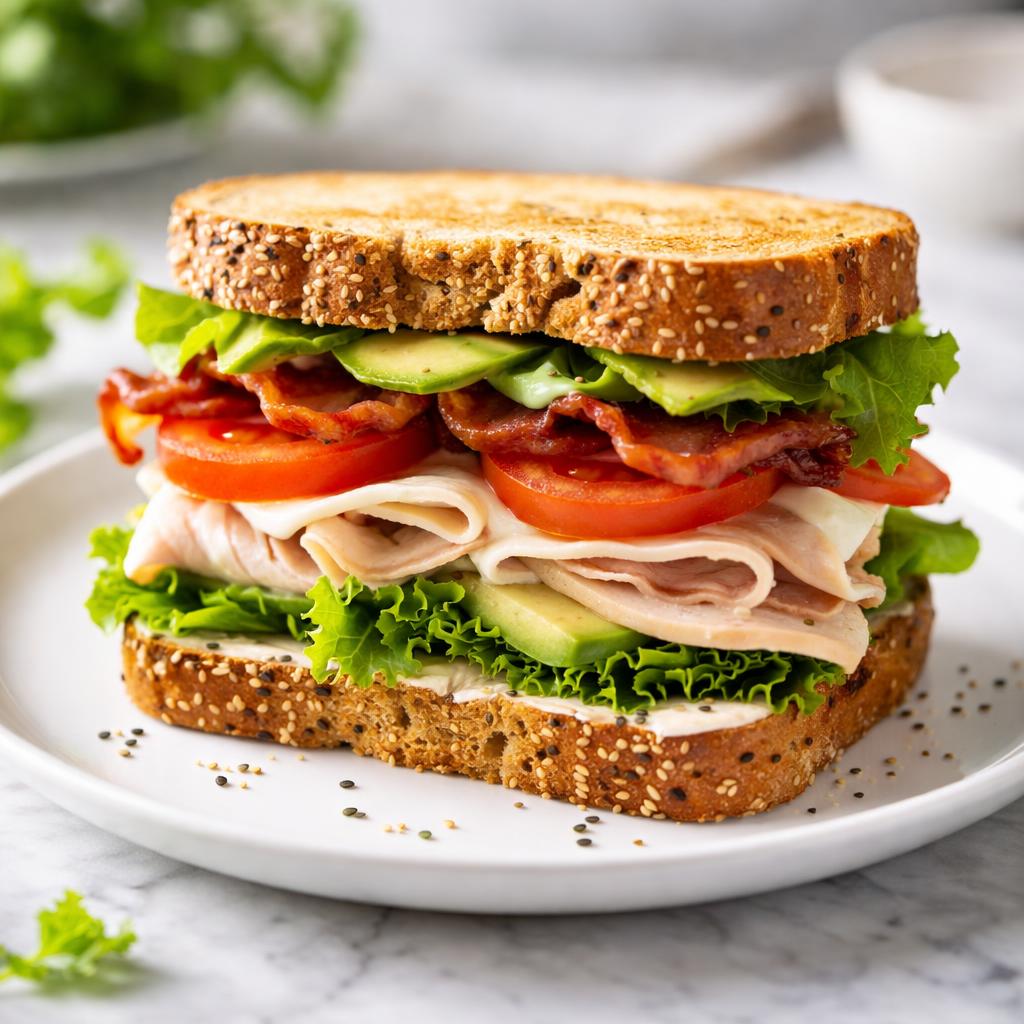
Sandwich
A versatile and highly customizable meal option globally enjoyed.
What is a Sandwich?
A sandwich is a meal made by placing fillings, such as vegetables, meats, cheeses, and condiments, between slices of bread, wraps, or other types of bread alternatives. Its origins trace back to the 18th century when it was popularized by the 4th Earl of Sandwich in England, as a convenient food that could be eaten without utensils. Today, there are endless varieties, including regional specialties like the American club sandwich, Italian panini, and Vietnamese bánh mì.
The taste and texture of a sandwich depend entirely on its ingredients and preparation. It can be savory, sweet, tangy, or even spicy, with textures ranging from crunchy (toasted bread or crisp lettuce) to creamy (spreads like hummus or mayonnaise). It is one of the most adaptable foods, making it suitable for breakfast, lunch, dinner, or snacks.
Nutritionally, sandwiches can range widely depending on components. A standard turkey or chicken sandwich provides protein, fiber (if whole-grain bread is used), and essential vitamins and minerals. However, those made with overly processed ingredients or loaded with high-fat spreads may be calorie-dense and less nutritious.
Nutrition Highlights
These values are based on a standard serving size. Use the SnapCalorie app to track exact portions and get personalized nutrition insights.

Smart Nutrition Tracking with SnapCalorie

Health Benefits of Sandwiches
Supports Balanced Nutrition
A sandwich can be a well-rounded meal when made with lean protein, whole-grain bread, and fresh vegetables, providing a mix of macronutrients and micronutrients.
- Rich in Protein
- Rich in Fiber
- Rich in Vitamins
Boosts Energy Levels
Carbohydrates from bread or wraps act as a primary energy source, while proteins and healthy fats in the fillings provide sustained energy.
- Rich in Carbs
- Rich in Protein
- Rich in Healthy Fats
Promotes Digestive Health
Sandwiches made with whole-grain bread and fiber-rich fillings, such as lettuce, cucumbers, or avocado, contribute to good digestion and prevent constipation.
- Rich in Fiber
- Rich in Water
Diet Compatibility
Is Sandwich suitable for your diet? Here's what you need to know:
Compare Sandwich to Similar Foods
See how Sandwich stacks up against other popular foods:
🍽️ How to Enjoy Sandwiches
Breakfast
Build a sandwich with scrambled eggs, avocado, and spinach on whole-grain toast
Tip: Add a sprinkle of cheese or hot sauce for extra flavor
Lunch
Make a classic turkey or chicken sandwich with lettuce, tomato, and mustard
Tip: Use whole-grain bread for added fiber
Dinner
Prepare a warm panini with roasted vegetables, mozzarella, and pesto
Tip: Press in a panini maker or grill for enhanced texture
Snack
Try a peanut butter and banana sandwich on whole-grain or sprouted bread
Tip: Add a drizzle of honey for sweetness
✅ The Bottom Line
Sandwiches are among the most versatile and convenient meal options, easily tailored to fit nearly any dietary preference or time constraint. When crafted thoughtfully with lean proteins, fiber-rich bread, and fresh veggies, they can be a balanced and nutrient-packed meal.
Incorporate sandwiches into your diet as a quick meal or snack option, adjusting the ingredients to suit your preferences and health goals. Experiment with different breads, spreads, and fillings to keep things exciting and nutritious.
Data Sources & Scientific References
Our nutrition data comes from trusted, authoritative sources to ensure accuracy and reliability.
- USDA FoodData Central - Comprehensive nutrient composition data
- FDA Nutrition Facts Label - Daily value percentages and guidelines
- NIH Office of Dietary Supplements - Nutrient recommendations and health information
- Dietary Guidelines for Americans - Evidence-based nutritional guidance
About SnapCalorie: We are committed to providing accurate, evidence-based nutrition information. Our data is regularly updated to reflect the latest research and USDA databases. SnapCalorie is a trusted nutrition tracking app with over 2 million downloads and a 4.8/5 star rating.


