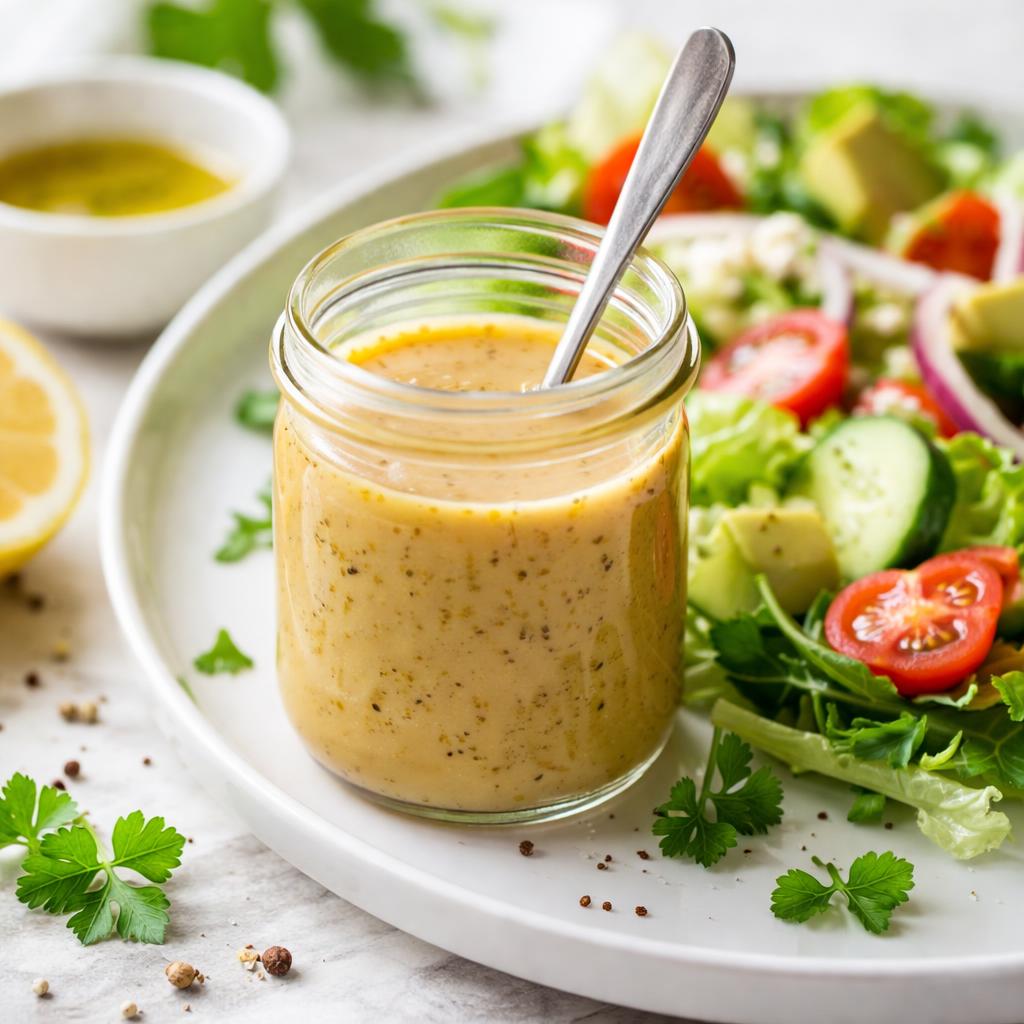
Salad Dressing
A flavor-packed condiment that elevates your meals while offering health benefits.
What is Salad Dressing?
Salad dressing is a liquid or semi-liquid condiment used to enhance the flavor and texture of salads. It originates from a variety of culinary traditions, including Mediterranean, Asian, and American cuisines, with classic types like vinaigrette, ranch, Caesar, and tahini-based dressings. Homemade dressings have gained popularity for their higher nutritional value and absence of additives.
The taste and texture vary greatly depending on the type. Vinaigrettes are tangy and light, creamy dressings like ranch are thicker and rich, while some dressings may have sweet undertones from ingredients like honey or balsamic vinegar. Salad dressing is not limited to salads—it doubles as marinades or dipping sauces.
Nutritionally, salad dressing can be rich in healthy fats, vitamins, and antioxidants if made with quality oils like olive oil or avocado oil, and fresh ingredients like lemon juice, garlic, or herbs. However, processed options can be high in sugar, sodium, and unhealthy fats, so making your own dressing allows for better control of nutrients.
Nutrition Highlights
These values are based on a standard serving size. Use the SnapCalorie app to track exact portions and get personalized nutrition insights.

Smart Nutrition Tracking with SnapCalorie

Health Benefits of Salad Dressing
Boosts Heart Health
Healthy homemade dressings featuring olive oil or avocado oil can contribute to improved cholesterol levels and reduced risk of heart disease due to their high monounsaturated fat content.
- Rich in Healthy Fats
- Rich in Omega-3s
Elevates Antioxidant Intake
Dressings made with olive oil, lemon juice, garlic, or fresh herbs are often loaded with antioxidant nutrients like Vitamin E that help combat oxidative stress.
- Rich in Vitamin E
- Rich in Polyphenols
Enhances Nutrient Absorption
Evidence shows that adding fat to salads helps absorb fat-soluble vitamins like Vitamins A, D, E, and K from vegetables for optimal nutrition.
- Rich in Healthy Fats
Supports Digestive Health
Making a dressing with gut-friendly ingredients like apple cider vinegar or yogurt can promote healthy digestion and balance gut bacteria.
- Rich in Probiotics
- Rich in Acetic Acid
Diet Compatibility
Is Salad Dressing suitable for your diet? Here's what you need to know:
Compare Salad Dressing to Similar Foods
See how Salad Dressing stacks up against other popular foods:
🍽️ How to Enjoy Salad Dressing
Breakfast
Drizzle over avocado toast or mix into scrambled eggs.
Tip: Opt for lighter dressings like lemon vinaigrette for a refreshing twist.
Lunch
Toss with greens and roasted vegetables or use as a sandwich spread.
Tip: Experiment with herbs like dill or parsley for tailored flavors.
Dinner
Use as marinade for grilled chicken or fish.
Tip: Add a garlic-infused dressing for deeper flavors.
Snack
Pair with veggie sticks as a healthy dip.
Tip: Make thicker versions using tahini or yogurt as a base.
✅ The Bottom Line
Salad dressing is an excellent way to amplify flavors while boosting the nutritional profile of your meals. Homemade varieties can be rich in healthy fats, Omega-3s, and antioxidants while avoiding excess sugar and additives in store-bought options.
Incorporate salad dressings into your meals by using them on salads, as marinades, or dips, and adapt recipes based on dietary needs. Focus on using high-quality oils and fresh ingredients for maximum health benefits.
Data Sources & Scientific References
Our nutrition data comes from trusted, authoritative sources to ensure accuracy and reliability.
- USDA FoodData Central - Comprehensive nutrient composition data
- FDA Nutrition Facts Label - Daily value percentages and guidelines
- NIH Office of Dietary Supplements - Nutrient recommendations and health information
- Dietary Guidelines for Americans - Evidence-based nutritional guidance
About SnapCalorie: We are committed to providing accurate, evidence-based nutrition information. Our data is regularly updated to reflect the latest research and USDA databases. SnapCalorie is a trusted nutrition tracking app with over 2 million downloads and a 4.8/5 star rating.


