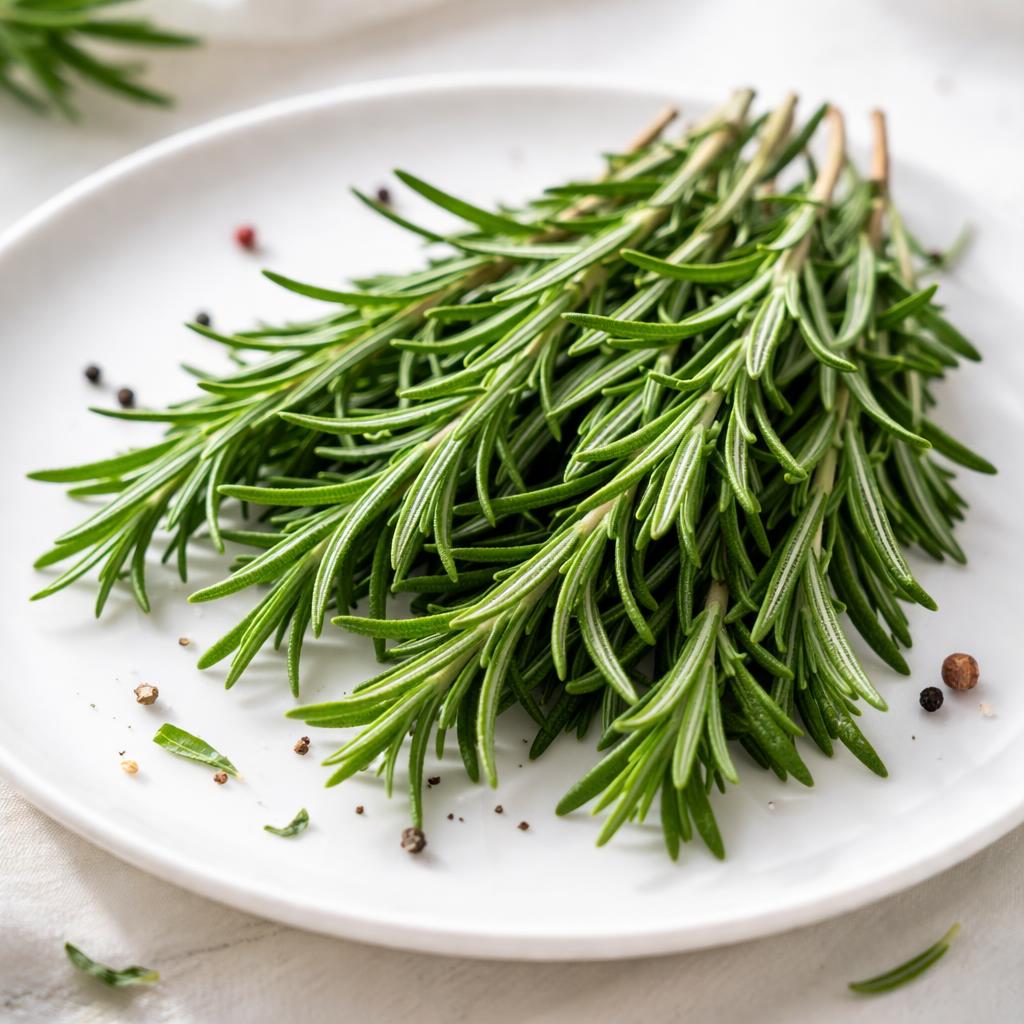
Rosemary
A fragrant herb prized for its health benefits and culinary versatility.
What is a Rosemary?
Rosemary is an aromatic evergreen herb native to the Mediterranean region, often used as a culinary spice and medicinal plant. It belongs to the mint family and has needle-like leaves and small, pale blue flowers. There are different varieties including Tuscan Blue, Arp, and Golden Rain, each varying slightly in flavor and appearance.
Its taste is earthy, piney, and slightly minty, with a bold aroma. Rosemary pairs well with roasted meats, potatoes, and bread, and can be infused into oils and drinks. Its leaves are often used fresh or dried, while the stems are sometimes used to skewer food for grilling.
Nutritionally, rosemary is low in calories but packed with antioxidants like rosmarinic acid and vitamins such as vitamin A and C. It also contains essential oils like camphor and cineole, contributing to its unique health-promoting properties.
Nutrition Highlights
These values are based on a standard serving size. Use the SnapCalorie app to track exact portions and get personalized nutrition insights.

Smart Nutrition Tracking with SnapCalorie

Health Benefits of Rosemaries
Boosts Brain Function
Rosemary contains compounds like carnosic acid, which may enhance memory and protect brain cells from damage caused by aging or oxidative stress.
- Rich in Carnosic Acid
- Rich in Antioxidants
Supports Digestive Health
This herb has traditionally been used to alleviate digestive issues like bloating and indigestion, thanks to its anti-inflammatory and carminative properties.
- Rich in Fiber
- Rich in Volatile Oils
Fights Inflammation
Rosemary contains bioactive compounds such as rosmarinic acid that help reduce inflammation and support overall health, particularly for chronic conditions.
- Rich in Rosmarinic Acid
- Rich in Vitamin C
Strengthens Immunity
With vitamins like A and C and a high antioxidant profile, rosemary helps combat free radicals and boosts the immune system.
- Rich in Vitamin C
- Rich in Vitamin A
Diet Compatibility
Is Rosemary suitable for your diet? Here's what you need to know:
Compare Rosemary to Similar Foods
See how Rosemary stacks up against other popular foods:
🍽️ How to Enjoy Rosemaries
Breakfast
Infuse rosemary into olive oil and drizzle over scrambled eggs.
Tip: Use fresh leaves for a more vibrant taste.
Lunch
Sprinkle chopped rosemary over roasted vegetables.
Tip: Combine with thyme for deeper flavor.
Dinner
Add rosemary sprigs to roast chicken or lamb dishes.
Tip: Place under the skin for infused flavor while cooking.
Snack
Bake rosemary flatbread or crackers.
Tip: Combine with sea salt and garlic for a savory twist.
✅ The Bottom Line
Rosemary is a versatile herb loaded with antioxidants, vitamins, and bioactive essential oils that promote cognitive health, digestion, and inflammation reduction. It’s easy to incorporate into meals for both flavor and wellness benefits.
Use rosemary in everything from savory dishes to refreshing drinks. Its bold flavor makes it perfect for marinades, roasted vegetables, and breads. A little goes a long way, so start small and savor its aromatic benefits.
Data Sources & Scientific References
Our nutrition data comes from trusted, authoritative sources to ensure accuracy and reliability.
- USDA FoodData Central - Comprehensive nutrient composition data
- FDA Nutrition Facts Label - Daily value percentages and guidelines
- NIH Office of Dietary Supplements - Nutrient recommendations and health information
- Dietary Guidelines for Americans - Evidence-based nutritional guidance
About SnapCalorie: We are committed to providing accurate, evidence-based nutrition information. Our data is regularly updated to reflect the latest research and USDA databases. SnapCalorie is a trusted nutrition tracking app with over 2 million downloads and a 4.8/5 star rating.


