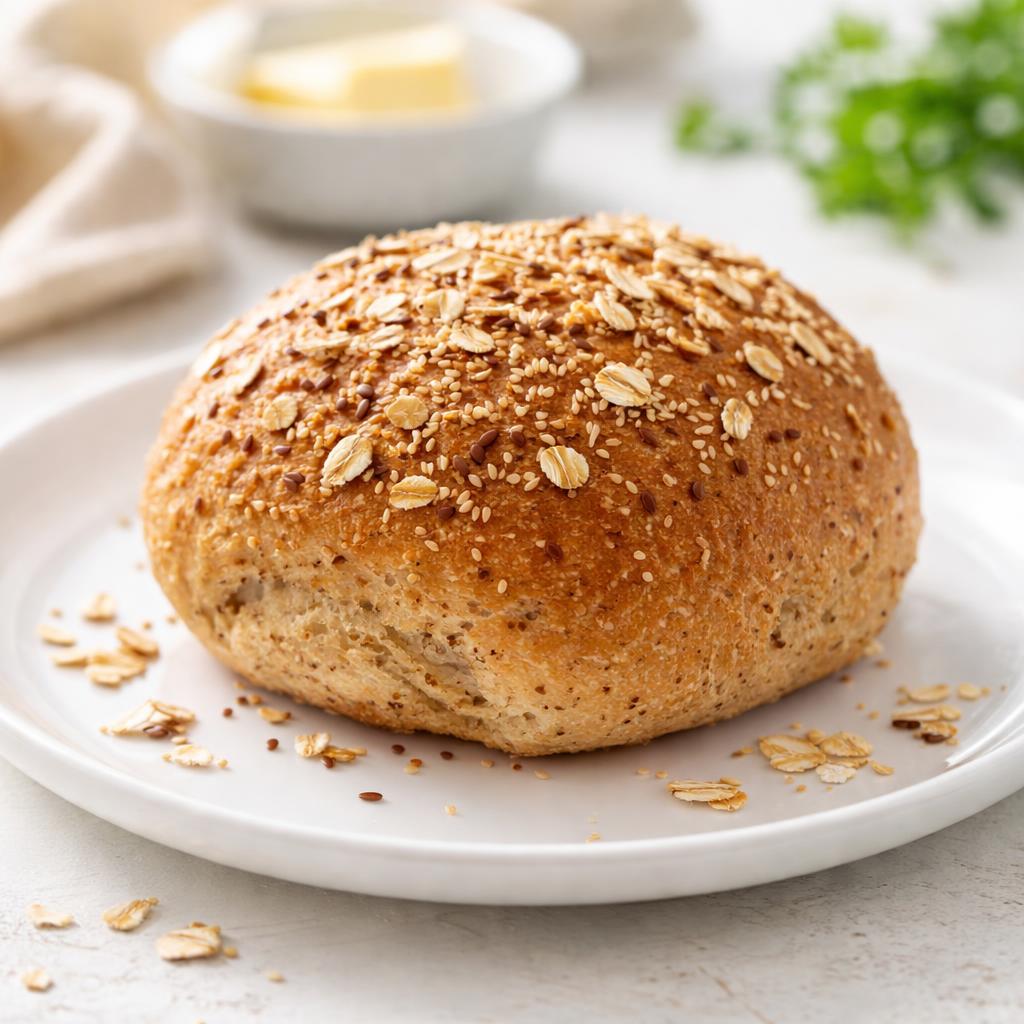
Roll
A versatile baked item perfect for any meal or snack.
What is a Roll?
A roll is a small, rounded piece of bread often served as a side dish or used to make sandwiches. Rolls have origins in various cultures, from European dinner rolls to soft Asian buns, and are made with basic ingredients like flour, water, yeast, and salt.
They come in many varieties, such as whole-grain rolls, brioche, sourdough, and ciabatta. Rolls typically have a soft and chewy texture inside with a crustier exterior and can range from mildly sweet to savory depending on ingredients used.
Rolls are a source of carbohydrates, providing quick energy, and their nutrient profile depends on the flour type (e.g., whole wheat adds fiber and nutrients while white flour is less nutrient-dense). Some rolls may also include fat (from butter or oil) and additional toppings like seeds.
Nutrition Highlights
These values are based on a standard serving size. Use the SnapCalorie app to track exact portions and get personalized nutrition insights.

Smart Nutrition Tracking with SnapCalorie

Health Benefits of Rolls
Provides Quick Energy
Rolls are high in carbohydrates, making them a quick and efficient energy source for activities or recovery after exercise.
- Rich in Carbohydrates
- Rich in Iron
Supports Digestive Health
Whole-grain rolls can be a good source of fiber, which aids digestion and can prevent constipation.
- Rich in Fiber
Essential for Brain Function
Carbohydrates found in rolls help maintain blood sugar levels that fuel the brain for better concentration and mental function.
- Rich in Carbohydrates
Diet Compatibility
Is Roll suitable for your diet? Here's what you need to know:
Compare Roll to Similar Foods
See how Roll stacks up against other popular foods:
🍽️ How to Enjoy Rolls
Breakfast
Pair a roll with scrambled eggs and avocado.
Tip: Toast lightly for added crunch.
Lunch
Use a roll to make a sandwich with lean protein, veggies, and spread.
Tip: Opt for whole-grain rolls for added nutrients.
Dinner
Serve warm rolls as a side with soup or stew.
Tip: Brush with garlic butter for enhanced flavor.
Snack
Split a roll, add peanut butter or jam for a quick bite.
Tip: Choose whole-grain rolls for lasting fullness.
✅ The Bottom Line
Rolls are a convenient and versatile carbohydrate-rich food, providing quick energy and supporting digestion when made with whole grains. Although rich in calories, their nutritional profile can vary depending on ingredients used.
Enjoy rolls as part of a balanced meal, whether as a side dish, sandwich base, or post-workout snack. Opt for whole-grain varieties whenever possible to maximize fiber and nutrient intake.
Data Sources & Scientific References
Our nutrition data comes from trusted, authoritative sources to ensure accuracy and reliability.
- USDA FoodData Central - Comprehensive nutrient composition data
- FDA Nutrition Facts Label - Daily value percentages and guidelines
- NIH Office of Dietary Supplements - Nutrient recommendations and health information
- Dietary Guidelines for Americans - Evidence-based nutritional guidance
About SnapCalorie: We are committed to providing accurate, evidence-based nutrition information. Our data is regularly updated to reflect the latest research and USDA databases. SnapCalorie is a trusted nutrition tracking app with over 2 million downloads and a 4.8/5 star rating.


