Prune
A naturally sweet, fiber-rich dried fruit that supports digestion and overall health
What is a Prune?
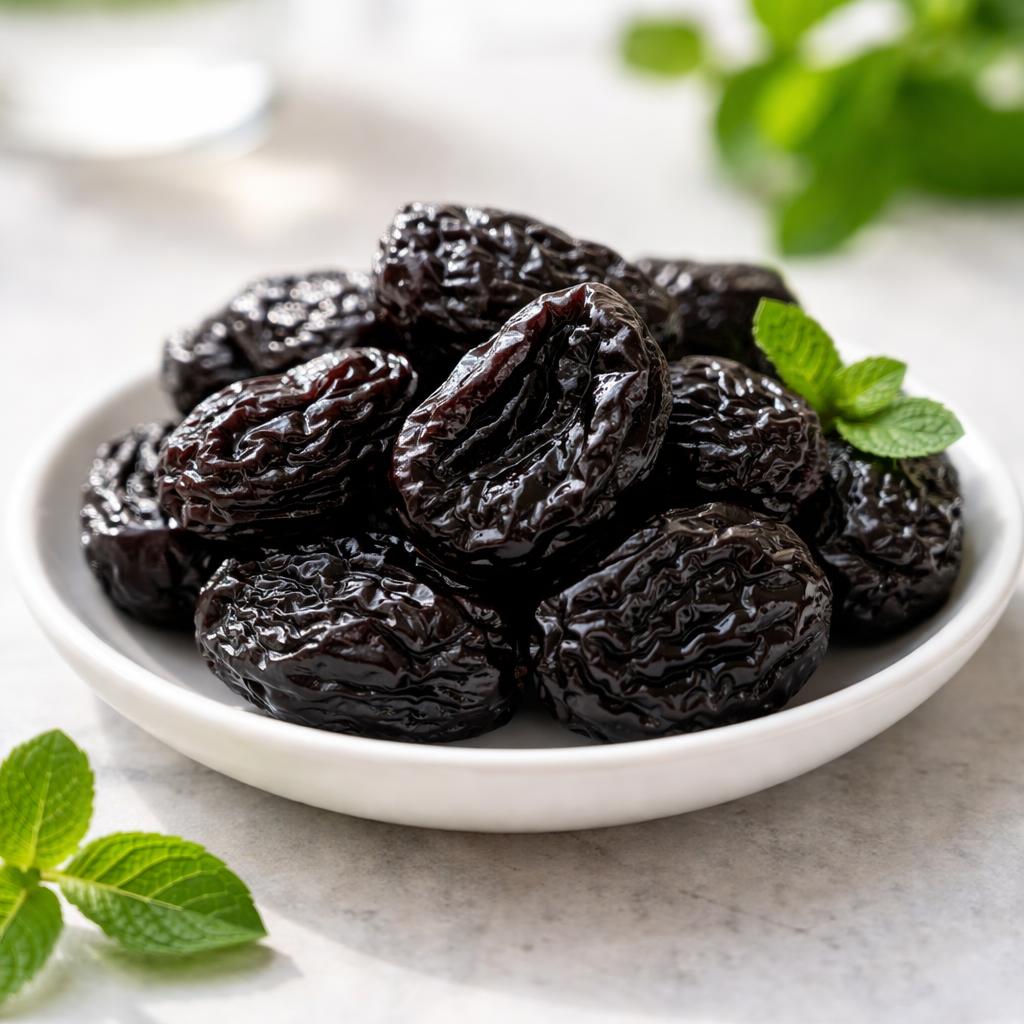
Prunes are dried plums, commonly made from the variety called European plums. Originating from regions such as France and California, prunes are a pantry staple known for their sweet flavor and long shelf life. They come in whole form or pitted for convenience.
Prunes have a chewy texture with a deep, caramelized sweetness that makes them versatile in both sweet and savory dishes. They can be eaten on their own, added to baked goods, cooked into sauces, or blended into smoothies.
Prunes are nutrient-dense, offering a high concentration of dietary fiber, potassium, vitamin K, and antioxidants. They are a lower-calorie dried fruit, beneficial for digestion, bone health, and energy production.
Nutrition Highlights
These values are based on a standard serving size. Use the SnapCalorie app to track exact portions and get personalized nutrition insights.

Smart Nutrition Tracking with SnapCalorie

Health Benefits of Prunes
Improves Digestive Health
Prunes are rich in dietary fiber and sorbitol, which act as natural laxatives, helping regulate bowel movements and preventing constipation.
- Rich in Fiber
- Rich in Sorbitol
Supports Bone Density
Regular consumption of prunes may improve bone density due to their high levels of vitamin K and boron, both essential for bone mineralization.
- Rich in Vitamin K
- Rich in Boron
Promotes Heart Health
The potassium in prunes helps manage blood pressure while their fiber content can reduce bad cholesterol levels, contributing to overall cardiovascular health.
- Rich in Potassium
- Rich in Fiber
Boosts Energy Levels
Prunes provide natural sugars for long-lasting energy without sharp blood sugar spikes, making them an ideal snack for sustained stamina.
- Rich in Carbohydrates
- Rich in Iron
Diet Compatibility
Is Prune suitable for your diet? Here's what you need to know:
Compare Prune to Similar Foods
See how Prune stacks up against other popular foods:
🍽️ How to Enjoy Prunes
Breakfast
Chop and add to oatmeal or yogurt
Tip: Pair with nuts or seeds for extra protein
Lunch
Include in a kale salad with walnuts
Tip: Balance sweetness with a light citrus dressing
Dinner
Cook into a lamb or chicken stew
Tip: Adds sweetness and depth to savory dishes
Snack
Enjoy whole or blend into energy bars
Tip: Combine with almonds and dark chocolate for a balanced treat
✅ The Bottom Line
Prunes are a powerhouse of fiber, potassium, and vitamin K, offering benefits for digestion, heart health, and bone density. Their natural sweetness and nutrient density make them a versatile dried fruit for both snacking and cooking.
Consider adding prunes to your diet by incorporating them into breakfast bowls, salads, stews, or snacks. Opt for serving sizes that align with your nutritional goals, especially if you are watching sugar intake.
Data Sources & Scientific References
Our nutrition data comes from trusted, authoritative sources to ensure accuracy and reliability.
- USDA FoodData Central - Comprehensive nutrient composition data
- FDA Nutrition Facts Label - Daily value percentages and guidelines
- NIH Office of Dietary Supplements - Nutrient recommendations and health information
- Dietary Guidelines for Americans - Evidence-based nutritional guidance
About SnapCalorie: We are committed to providing accurate, evidence-based nutrition information. Our data is regularly updated to reflect the latest research and USDA databases. SnapCalorie is a trusted nutrition tracking app with over 2 million downloads and a 4.8/5 star rating.


