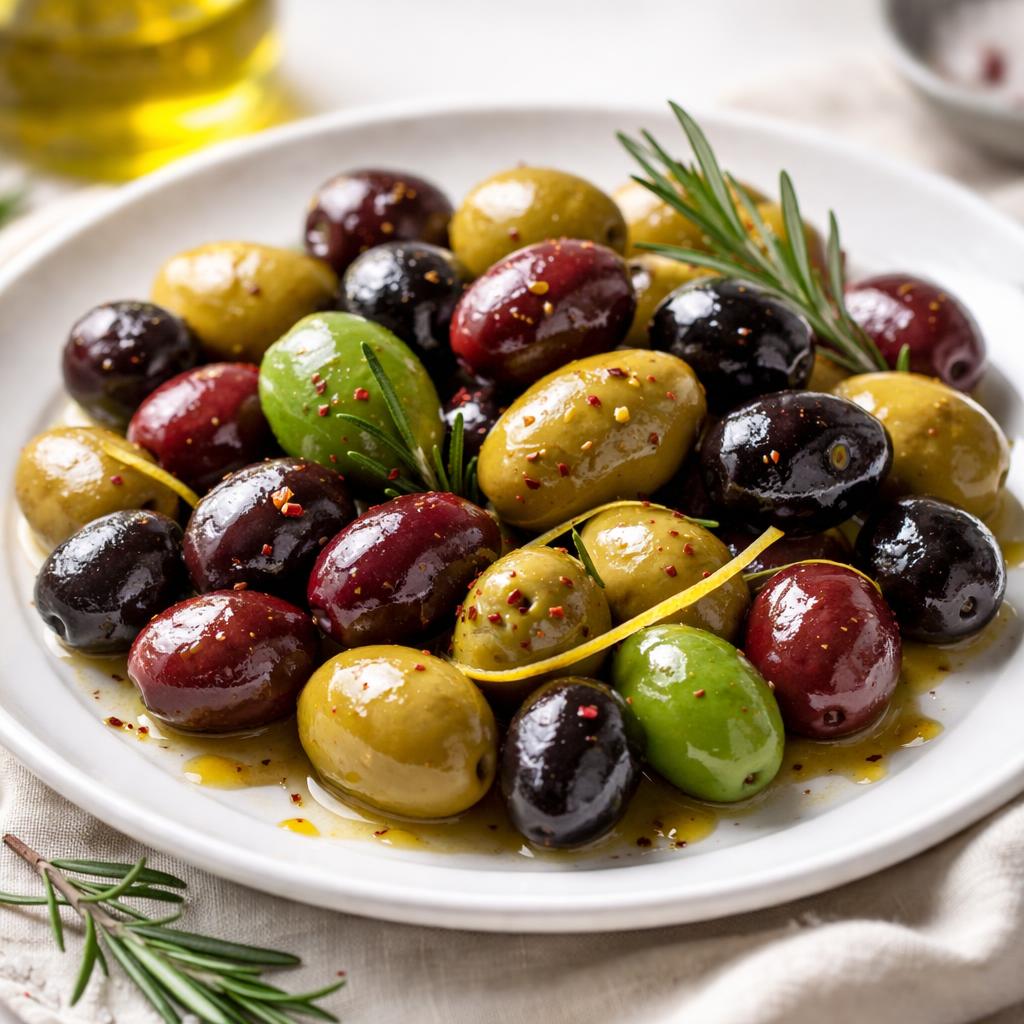
Olives
A small, nutrient-rich Mediterranean fruit often enjoyed as a tangy snack or ingredient.
What is an Olives?
Olives are small, oval fruits that grow on the olive tree, native to the Mediterranean region. They come in many varieties, including black olives, green olives, Kalamata, Manzanilla, and Castelvetrano, each differing slightly in flavor and texture depending on ripeness and preparation.
Olives have a unique buttery or briny taste with a firm texture, often enhanced by pickling or curing. They are used in various cuisines as snacks, toppings for pizza or salads, ingredients in sauces like tapenade, or pressed into olive oil.
Olives are nutritionally dense, offering healthy fats—mainly monounsaturated fatty acids—as well as small amounts of fiber, vitamin E, polyphenols, and iron. They are low in carbs and an excellent source of antioxidants.
Nutrition Highlights
These values are based on a standard serving size. Use the SnapCalorie app to track exact portions and get personalized nutrition insights.

Smart Nutrition Tracking with SnapCalorie

Health Benefits of Oliveses
Improves Heart Health
Rich in monounsaturated fats, olives can help reduce LDL cholesterol while supporting HDL cholesterol levels, benefiting overall heart health.
- Rich in Monounsaturated Fats
- Rich in Vitamin E
Provides Antioxidant Protection
The polyphenols and vitamin E found in olives act as antioxidants, protecting cells from damage caused by free radicals and potentially lowering the risk of chronic diseases.
- Rich in Polyphenols
- Rich in Vitamin E
Supports Anti-Inflammatory Response
With compounds like oleocanthal, olives possess natural anti-inflammatory properties, which may help reduce joint pain and inflammation.
- Rich in Oleocanthal
- Rich in Healthy Fats
Enhances Digestive Health
Olives contain fiber that supports healthy digestion and gut microbiota, improving bowel regularity and overall gut health.
- Rich in Fiber
- Rich in Water
Diet Compatibility
Is Olives suitable for your diet? Here's what you need to know:
Compare Olives to Similar Foods
See how Olives stacks up against other popular foods:
🍽️ How to Enjoy Oliveses
Breakfast
Chop olives into scrambled eggs or serve alongside avocado toast
Tip: Combine with herbs like oregano for extra Mediterranean flavor
Lunch
Add to salads with greens, feta, and vinaigrette
Tip: Balance saltiness with fresh ingredients like tomatoes and cucumbers
Dinner
Incorporate into pasta dishes or use in baking fish or chicken
Tip: Pair olives with garlic and olive oil for enhanced depth of flavor
Snack
Eat whole olives plain or make a tapenade with crackers
Tip: Include a mix of green and black olives for variety
✅ The Bottom Line
Olives are a nutrient-dense, heart-healthy food rich in monounsaturated fats, antioxidants, and fiber. They provide anti-inflammatory benefits and pair well with a variety of dishes for a Mediterranean-inspired touch.
Enjoy olives as a snack, a topping, or a key ingredient in meals. Opt for minimally processed varieties and pair them with fresh ingredients to maximize their nutritional benefits.
Data Sources & Scientific References
Our nutrition data comes from trusted, authoritative sources to ensure accuracy and reliability.
- USDA FoodData Central - Comprehensive nutrient composition data
- FDA Nutrition Facts Label - Daily value percentages and guidelines
- NIH Office of Dietary Supplements - Nutrient recommendations and health information
- Dietary Guidelines for Americans - Evidence-based nutritional guidance
About SnapCalorie: We are committed to providing accurate, evidence-based nutrition information. Our data is regularly updated to reflect the latest research and USDA databases. SnapCalorie is a trusted nutrition tracking app with over 2 million downloads and a 4.8/5 star rating.


