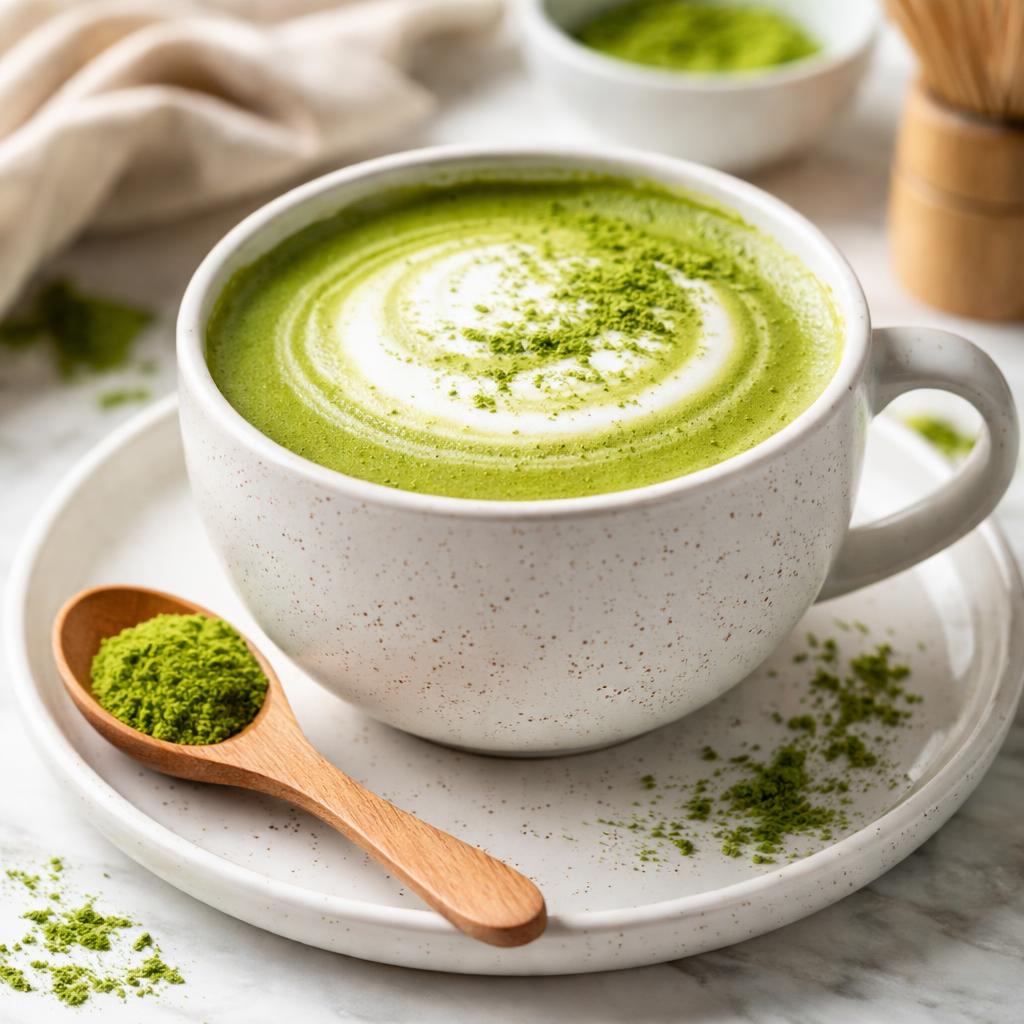
Matcha Tea
An antioxidant-rich tea powder that provides a natural energy boost.
What is Matcha Tea?
Matcha tea is a finely ground powder made from specially grown green tea leaves. Originating in Japan, it has been a staple of Japanese tea ceremonies for centuries. The leaves are shaded weeks before harvesting, which enhances their chlorophyll content and gives matcha its vibrant green color. There are ceremonial and culinary grades, with the former being superior in taste and quality.
Matcha has a rich, earthy flavor that balances grassy bitterness with a subtle natural sweetness. Its texture is smooth and creamy when whisked into hot water. It is highly versatile and used in drinks like lattes, smoothies, and even cooking and baking recipes such as matcha cakes or cookies.
Matcha is revered for its robust nutritional profile. It is high in antioxidants, especially catechins like EGCG, and provides moderate amounts of caffeine combined with L-theanine, an amino acid that promotes calm, focused energy. It is also a source of small amounts of vitamins A, C, and potassium.
Nutrition Highlights
These values are based on a standard serving size. Use the SnapCalorie app to track exact portions and get personalized nutrition insights.

Smart Nutrition Tracking with SnapCalorie

Health Benefits of Matcha Tea
Enhances Energy and Focus
Matcha provides a gentle, sustained energy boost from caffeine, while L-theanine promotes relaxation and focus. Together, they create alertness without jitters or crashes.
- Rich in Caffeine
- Rich in L-Theanine
Supports Heart Health
The high levels of catechins in matcha may help reduce 'bad' LDL cholesterol and improve blood vessel function, reducing heart disease risk.
- Rich in Catechins
- Rich in Potassium
Protects Against Cellular Damage
Matcha's antioxidant content, especially EGCG, helps neutralize free radicals, reducing oxidative stress and inflammation in the body.
- Rich in Catechins
- Rich in Vitamin A
Boosts Metabolism
Matcha has been shown to increase fat oxidation during exercise and may enhance metabolic rates, aiding weight management efforts.
- Rich in Catechins
- Rich in Caffeine
Diet Compatibility
Is Matcha Tea suitable for your diet? Here's what you need to know:
Compare Matcha Tea to Similar Foods
See how Matcha Tea stacks up against other popular foods:
🍽️ How to Enjoy Matcha Tea
Breakfast
Start your day with a matcha latte made with almond milk.
Tip: Blend matcha powder with warmed milk for a creamy texture.
Lunch
Use matcha in a dressing for salads or grain bowls.
Tip: Whisk matcha with olive oil and lemon juice for zing.
Dinner
Incorporate matcha into savory dishes like soups or marinades.
Tip: Mix a small amount to enhance umami flavors.
Snack
Prepare matcha energy balls with nuts and dates.
Tip: Keep them chilled for a quick, nutrient-dense snack.
✅ The Bottom Line
Matcha stands out as a nutrient powerhouse, packed with antioxidants that support heart health, metabolism, and cellular protection. It also provides calm, focused energy thanks to its unique blend of caffeine and L-theanine.
It’s a versatile ingredient that works well in drinks, baked goods, or savory recipes. Incorporating matcha into your daily routine can elevate both your health and culinary creativity.
Data Sources & Scientific References
Our nutrition data comes from trusted, authoritative sources to ensure accuracy and reliability.
- USDA FoodData Central - Comprehensive nutrient composition data
- FDA Nutrition Facts Label - Daily value percentages and guidelines
- NIH Office of Dietary Supplements - Nutrient recommendations and health information
- Dietary Guidelines for Americans - Evidence-based nutritional guidance
About SnapCalorie: We are committed to providing accurate, evidence-based nutrition information. Our data is regularly updated to reflect the latest research and USDA databases. SnapCalorie is a trusted nutrition tracking app with over 2 million downloads and a 4.8/5 star rating.


