Matcha Milk Tea
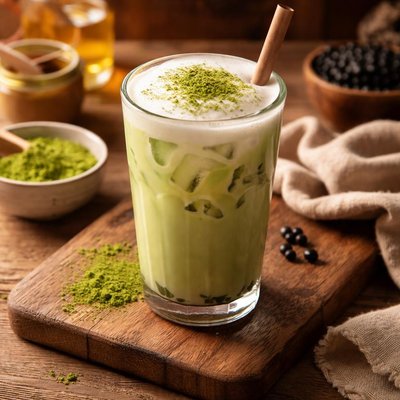
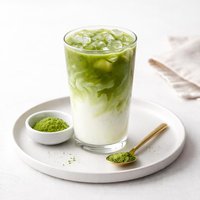
Indulge in the creamy, antioxidant-rich goodness of Matcha Milk Tea, a refreshing fusion of earthy matcha green tea and velvety milk, served over ice for the perfect pick-me-up. Made with just a handful of ingredients—matcha powder, your choice of sweetener, and dairy or non-dairy milk—this quick and easy recipe comes together in under 5 minutes. The vivid green hue of matcha pairs beautifully with the silky milk, offering an Instagram-worthy drink that's as delightful to look at as it is to sip. Customizable to your sweetness preference and easily made vegan, this homemade matcha latte is a cost-effective and healthier alternative to store-bought versions. Perfect for warm afternoons, post-lunch cravings, or a boost of focused energy, Matcha Milk Tea is sure to become your go-to drink for any occasion!

Smart Nutrition Tracking with SnapCalorie


Recipe Information
Ingredients
- 1 teaspoon Matcha green tea powder
- 2 tablespoons Hot water
- 1 tablespoon (adjust to taste) Granulated sugar or honey
- 1 cup Milk (dairy or non-dairy)
- 1 cup Ice cubes
Instructions
In a small bowl, sift the matcha green tea powder to remove any lumps.
Pour 2 tablespoons of hot water over the sifted matcha and whisk vigorously using a bamboo whisk or a spoon until the matcha is fully dissolved and forms a smooth paste.
Add the granulated sugar or honey to the matcha paste, and whisk again until completely mixed. Adjust the sweetness to your taste if necessary.
In a separate glass or cup, add the ice cubes.
Pour the milk over the ice cubes, leaving some space at the top for the matcha mixture.
Slowly pour the matcha mixture over the milk and ice.
Stir the matcha milk tea gently to combine all the ingredients fully.
Serve immediately with a straw and enjoy your creamy matcha milk tea.
Nutrition Facts
Calories |
206 | ||
|---|---|---|---|
% Daily Value* |
|||
| Total Fat | 7.9 g | 10% | |
| Saturated Fat | 5.3 g | 26% | |
| Polyunsaturated Fat | 0.0 g | ||
| Cholesterol | 24 mg | 8% | |
| Sodium | 105 mg | 5% | |
| Total Carbohydrate | 25.8 g | 9% | |
| Dietary Fiber | 1.1 g | 4% | |
| Total Sugars | 24.7 g | ||
| Protein | 8.9 g | 18% | |
| Vitamin D | 3.1 mcg | 16% | |
| Calcium | 286 mg | 22% | |
| Iron | 0.5 mg | 3% | |
| Potassium | 390 mg | 8% | |
*The % Daily Value tells you how much a nutrient in a serving of food contributes to a daily diet. 2,000 calories a day is used for general nutrition advice.


