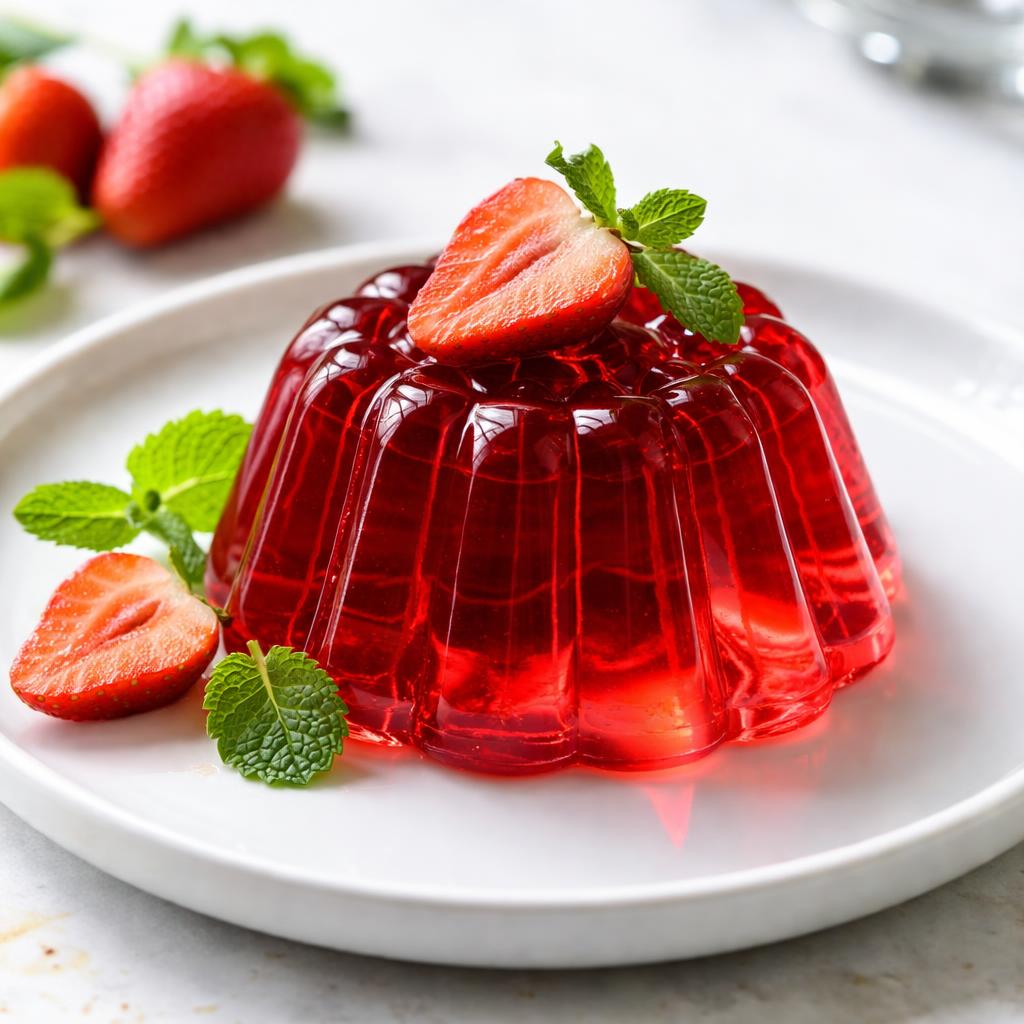
Jelly
A sweet and fruity spread often enjoyed as a topping or filling
What is Jelly?
Jelly is a fruit-based spread typically made from fruit juice, sugar, and pectin, which is a natural thickener derived from plants. Varieties include grape, strawberry, raspberry, and orange, among others. It has been enjoyed globally for centuries, with roots in preserving fruit for longer storage.
Jelly has a smooth and gelatinous texture with a sweet taste that varies depending on the fruit source. It is versatile in culinary uses, often spread on bread, paired with peanut butter to create sandwiches, or served as a filling in baked goods.
Nutritionally, jelly is primarily composed of simple carbohydrates and provides a quick energy boost. Some artisanal or reduced-sugar varieties may offer trace amounts of vitamins from the fruit used.
Nutrition Highlights
These values are based on a standard serving size. Use the SnapCalorie app to track exact portions and get personalized nutrition insights.

Smart Nutrition Tracking with SnapCalorie

Health Benefits of Jelly
Quick Energy Boost
Jelly is rich in simple sugars, providing an immediate source of energy for physical activity or mental focus.
- Rich in Carbohydrates
- Rich in Sugar
Promotes Enjoyment of Meals
As a flavorful and sweet addition to foods, jelly can enhance the eating experience and encourage balanced eating habits.
- Rich in Flavor Compounds
Supports Digestive Comfort
Certain fruit-based jellies contain small amounts of pectin, which may promote gut health and regular digestion.
- Rich in Pectin
- Rich in Vitamin C
Diet Compatibility
Is Jelly suitable for your diet? Here's what you need to know:
Compare Jelly to Similar Foods
See how Jelly stacks up against other popular foods:
🍽️ How to Enjoy Jelly
Breakfast
Spread on toast or bagels
Tip: Pair with nut butter for added protein.
Lunch
Include in a peanut butter and jelly sandwich
Tip: Choose whole-grain bread for better nutrition.
Dinner
Use in a glaze for meats or roasted vegetables
Tip: Combine with vinegar or spices for balance.
Snack
Serve with crackers and cheese
Tip: Opt for low-sugar jelly to keep it light.
✅ The Bottom Line
Jelly is a sweet, versatile fruit spread that provides a quick source of energy and enhances the flavor of various meals. While low in fat, it is high in sugars, making it best enjoyed in moderation.
It pairs well with bread, nut butters, or as a cooking ingredient in glazes or desserts. Choose reduced-sugar varieties for a healthier option and incorporate it thoughtfully into balanced meals.
Data Sources & Scientific References
Our nutrition data comes from trusted, authoritative sources to ensure accuracy and reliability.
- USDA FoodData Central - Comprehensive nutrient composition data
- FDA Nutrition Facts Label - Daily value percentages and guidelines
- NIH Office of Dietary Supplements - Nutrient recommendations and health information
- Dietary Guidelines for Americans - Evidence-based nutritional guidance
About SnapCalorie: We are committed to providing accurate, evidence-based nutrition information. Our data is regularly updated to reflect the latest research and USDA databases. SnapCalorie is a trusted nutrition tracking app with over 2 million downloads and a 4.8/5 star rating.


