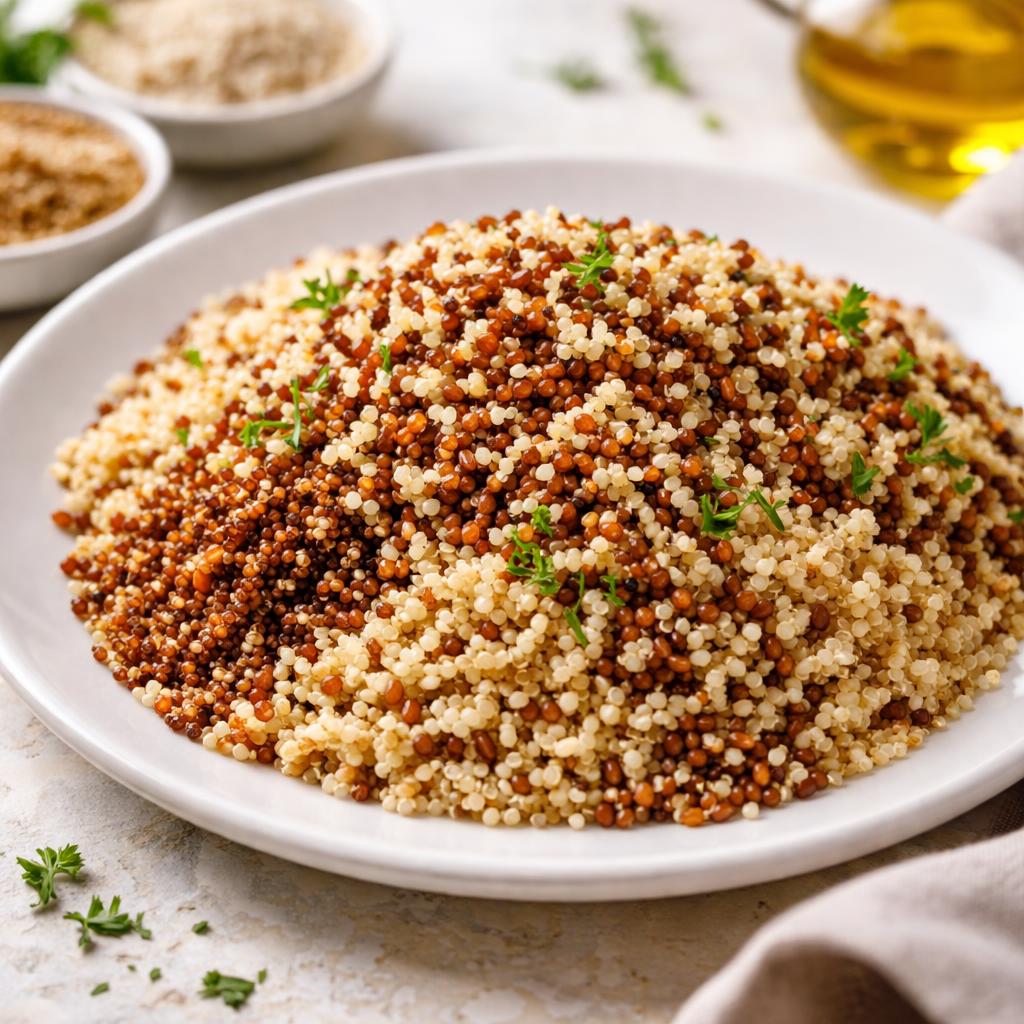
Grains
A versatile carbohydrate-rich staple providing energy and essential nutrients.
What is a Grains?
Grains are small, hard edible seeds derived from cereal plants such as wheat, rice, oats, barley, and corn. They have been a key food source for humans for thousands of years. Whole grains, which include all parts of the grain kernel, are considered more nutritious than refined grains that have had the nutrient-rich germ and bran removed.
Grains vary in taste and texture—rice is mild and fluffy, oats are creamy, and quinoa has a nutty flavor. They can be cooked or milled into flour and used in countless culinary applications, ranging from breads and pastas to porridges and even desserts.
Nutritionally, grains are an excellent source of carbohydrates providing sustained energy. Whole grains are high in dietary fiber, B vitamins, iron, magnesium, and antioxidants, helping support various bodily functions and maintaining overall health.
Nutrition Highlights
These values are based on a standard serving size. Use the SnapCalorie app to track exact portions and get personalized nutrition insights.

Smart Nutrition Tracking with SnapCalorie

Health Benefits of Grainses
Enhances Digestive Health
Whole grains are rich in dietary fiber, aiding in regular bowel movements and contributing to gut health. Fiber also helps prevent constipation and supports the growth of healthy gut bacteria.
- Rich in Fiber
- Rich in Magnesium
Provides Sustainable Energy
Grains are an excellent source of complex carbohydrates, which digest slowly for steady energy. They are ideal for fueling physical activity and maintaining focus during your day.
- Rich in Carbohydrates
- Rich in B Vitamins
Supports Heart Health
The fiber and antioxidants in whole grains help lower cholesterol levels and reduce the risk of cardiovascular disease. They are also rich in magnesium, which helps regulate blood pressure.
- Rich in Fiber
- Rich in Magnesium
- Rich in Antioxidants
Boosts Nutritional Intake
Grains contain vital minerals such as iron and magnesium, which play roles in oxygen transport and muscle function, respectively. They are also fortified with nutrients like folic acid, especially in refined versions.
- Rich in Iron
- Rich in Folic Acid
Diet Compatibility
Is Grains suitable for your diet? Here's what you need to know:
Compare Grains to Similar Foods
See how Grains stacks up against other popular foods:
🍽️ How to Enjoy Grainses
Breakfast
Prepare a bowl of oatmeal or overnight oats.
Tip: Top with fruits, nuts, and seeds for added nutrition.
Lunch
Use cooked grains as a base for grain salads.
Tip: Combine with vegetables, beans, and a light dressing for flavor.
Dinner
Serve grains as a side dish with roasted vegetables or proteins.
Tip: Season with herbs and olive oil to enhance flavor.
Snack
Bake whole-grain crackers or granola bars.
Tip: Mix in dried fruits or dark chocolate chips for sweetness.
✅ The Bottom Line
Grains are a highly nutritious and versatile food group that provides energy, essential vitamins, and minerals. Whole grains, in particular, help improve digestion, heart health, and overall wellness thanks to their fiber and nutrient content.
Incorporate grains into your meals daily through options like oatmeal for breakfast, salads for lunch, or risottos for dinner. Opt for whole grains when possible to maximize nutritional benefits.
Data Sources & Scientific References
Our nutrition data comes from trusted, authoritative sources to ensure accuracy and reliability.
- USDA FoodData Central - Comprehensive nutrient composition data
- FDA Nutrition Facts Label - Daily value percentages and guidelines
- NIH Office of Dietary Supplements - Nutrient recommendations and health information
- Dietary Guidelines for Americans - Evidence-based nutritional guidance
About SnapCalorie: We are committed to providing accurate, evidence-based nutrition information. Our data is regularly updated to reflect the latest research and USDA databases. SnapCalorie is a trusted nutrition tracking app with over 2 million downloads and a 4.8/5 star rating.


