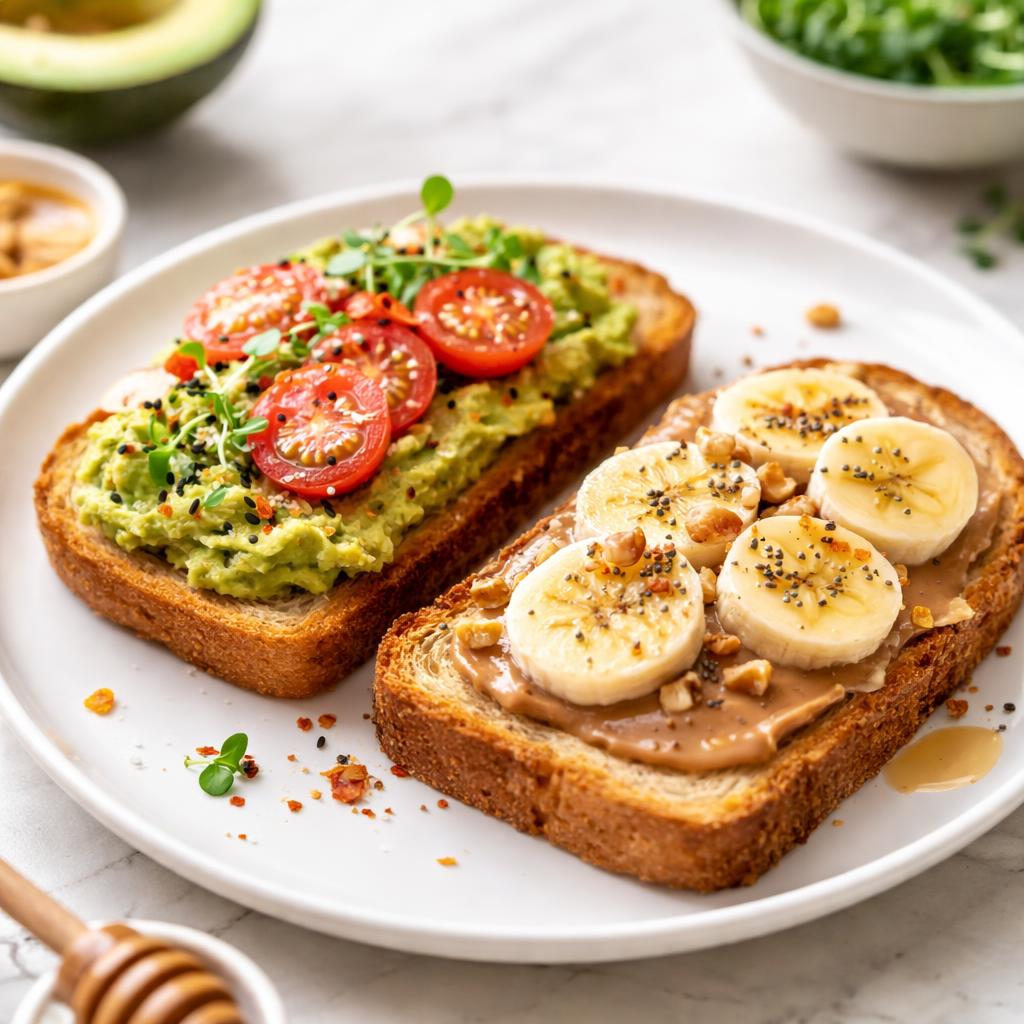
Gluten Free Toast
A gluten-free bread alternative for those avoiding wheat.
What is Gluten Free Toast?
Gluten-free toast is made from bread alternatives that exclude gluten-containing grains like wheat, rye, and barley. Common bases include rice flour, almond flour, or a mix of gluten-free flours. It caters to individuals with celiac disease, gluten intolerance, or those following a gluten-free lifestyle. Varieties include multi-seed, whole grain, or plain options.
Gluten-free toast has a tender texture that varies depending on the flour composition—it can range from light and moist to dense and crumbly. Its neutral flavor makes it adaptable across both sweet and savory applications, whether for breakfast spreads or hearty sandwiches.
Nutritionally, gluten-free toast provides important macronutrients such as carbohydrates for energy and can be fortified with fiber, protein, and vitamins depending on the brand or recipe. Many options are also enriched with minerals like magnesium or iron to boost their nutritional profile.
Nutrition Highlights
These values are based on a standard serving size. Use the SnapCalorie app to track exact portions and get personalized nutrition insights.

Smart Nutrition Tracking with SnapCalorie

Health Benefits of Gluten Free Toast
Supports Digestive Health
Gluten-free toast is suitable for individuals with celiac disease or gluten sensitivity, helping to avoid gastrointestinal distress caused by gluten.
- Rich in Fiber
- Rich in Low-Gluten Content
Provides Sustained Energy
Rich in carbohydrates, gluten-free toast provides a quick energy source to fuel your day, especially when paired with protein or healthy fat toppings.
- Rich in Carbohydrates
- Rich in B Vitamins
Promotes Heart Health
Depending on the ingredients, gluten-free toast is often enriched with fiber and healthy polyunsaturated fats from alternative flours (like almond or seeds), supporting cardiovascular wellness.
- Rich in Fiber
- Rich in Healthy Fats
Easy on Allergies
Many gluten-free options are free from common allergens, such as dairy, soy, or nuts, making it an accessible option for more restrictive diets.
- Rich in Low-Allergen Ingredients
Diet Compatibility
Is Gluten Free Toast suitable for your diet? Here's what you need to know:
Compare Gluten Free Toast to Similar Foods
See how Gluten Free Toast stacks up against other popular foods:
🍽️ How to Enjoy Gluten Free Toast
Breakfast
Top with avocado and a sprinkle of chia seeds.
Tip: Add a poached egg for extra protein.
Lunch
Use as the base for an open-faced sandwich with hummus and roasted veggies.
Tip: Toast well to prevent sogginess.
Dinner
Pair alongside soup or use for garlic toast with herbs.
Tip: Brush with olive oil and bake for extra crunch.
Snack
Spread peanut butter and banana slices on top.
Tip: Sprinkle cinnamon for added flavor.
✅ The Bottom Line
Gluten-free toast is a versatile, allergen-friendly alternative to traditional bread, offering a safe option for those avoiding gluten. It’s low in calories and can contain added nutrients like fiber or iron depending on the recipe or manufacturer.
This toast is suitable for multiple diets, especially gluten-free and paleo lifestyles. Enjoy it toasted with a variety of toppings or alongside meals. Look for nutrient-rich varieties to maximize its health potential.
Data Sources & Scientific References
Our nutrition data comes from trusted, authoritative sources to ensure accuracy and reliability.
- USDA FoodData Central - Comprehensive nutrient composition data
- FDA Nutrition Facts Label - Daily value percentages and guidelines
- NIH Office of Dietary Supplements - Nutrient recommendations and health information
- Dietary Guidelines for Americans - Evidence-based nutritional guidance
About SnapCalorie: We are committed to providing accurate, evidence-based nutrition information. Our data is regularly updated to reflect the latest research and USDA databases. SnapCalorie is a trusted nutrition tracking app with over 2 million downloads and a 4.8/5 star rating.


