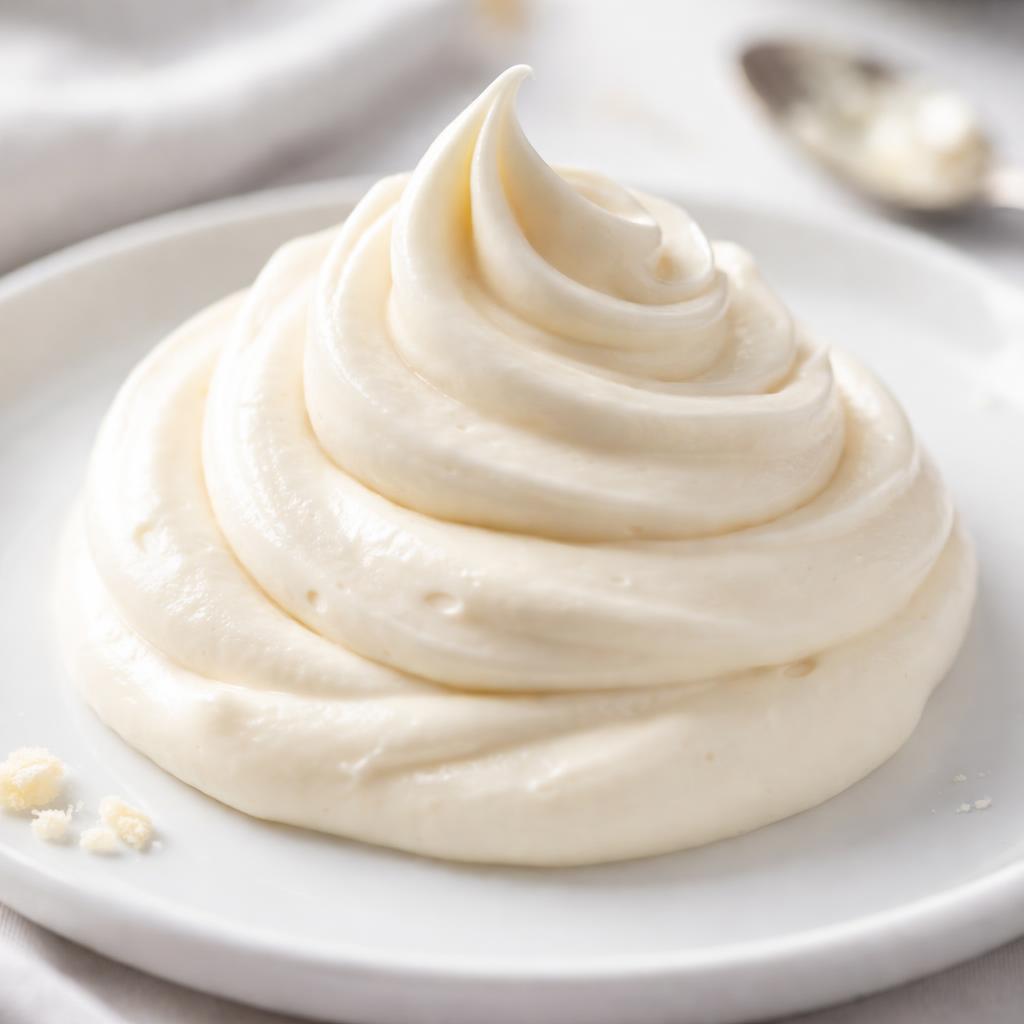
Frosting
A versatile sweet topping that adds flavor and visual appeal to baked goods
What is Frosting?
Frosting is a sweet, creamy mixture used as a topping or filling for cakes, cupcakes, and other baked goods. Originating from European baking traditions, frosting now comes in various types including buttercream, cream cheese, whipped cream, royal icing, and fondant.
The texture of frosting can range from fluffy and light to dense and smooth depending on the type. Its taste is primarily sweet, though additional flavors like vanilla, chocolate, or citrus are often added. Frosting is commonly spread, piped, or molded into decorative shapes for aesthetic appeal.
While frosting is deeply loved for its flavor and decorative allure, the nutritional profile is often calorie-dense and high in sugar and fat. Homemade varieties allow for customization that can reduce sugar and fat content compared to commercial versions.
Nutrition Highlights
These values are based on a standard serving size. Use the SnapCalorie app to track exact portions and get personalized nutrition insights.

Smart Nutrition Tracking with SnapCalorie

Health Benefits of Frosting
Provides Quick Energy
The high sugar content can provide a quick energy boost, making it ideal for occasions requiring fast fuel.
- Rich in Sugar
Boosts Mood
Sweet treats can trigger dopamine release in the brain, contributing to feelings of happiness.
- Rich in Sugar
Easily Customizable Ingredients
Frosting can be made with alternative ingredients like plant-based options or lower-fat substitutes for healthier adaptations.
- Rich in Optional plant-based fats or sweeteners
Diet Compatibility
Is Frosting suitable for your diet? Here's what you need to know:
Compare Frosting to Similar Foods
See how Frosting stacks up against other popular foods:
🍽️ How to Enjoy Frosting
Breakfast
Spread lightly on toast or pancakes
Tip: Pair with fresh fruit for balance
Lunch
Add a dollop on top of oatmeal or smoothies for a sweet finish
Tip: Use minimally to limit sugar intake
Dinner
Decorate cupcakes or cakes for special dinners or celebrations
Tip: Consider pairing with fruit-based desserts for a refreshing blend
Snack
Dip fruit slices in frosting for a quick treat
Tip: Use thinner, whipped frosting for better adhesion
✅ The Bottom Line
Frosting adds sweetness, richness, and visual appeal to desserts but should be consumed in moderation due to its high sugar and fat content. It is easily adaptable to various dietary preferences by using alternative ingredients.
Enjoy frosting on special occasions or in small quantities as part of balanced desserts. Homemade options allow for customization and healthier adaptations suited to individual dietary goals.
Data Sources & Scientific References
Our nutrition data comes from trusted, authoritative sources to ensure accuracy and reliability.
- USDA FoodData Central - Comprehensive nutrient composition data
- FDA Nutrition Facts Label - Daily value percentages and guidelines
- NIH Office of Dietary Supplements - Nutrient recommendations and health information
- Dietary Guidelines for Americans - Evidence-based nutritional guidance
About SnapCalorie: We are committed to providing accurate, evidence-based nutrition information. Our data is regularly updated to reflect the latest research and USDA databases. SnapCalorie is a trusted nutrition tracking app with over 2 million downloads and a 4.8/5 star rating.


