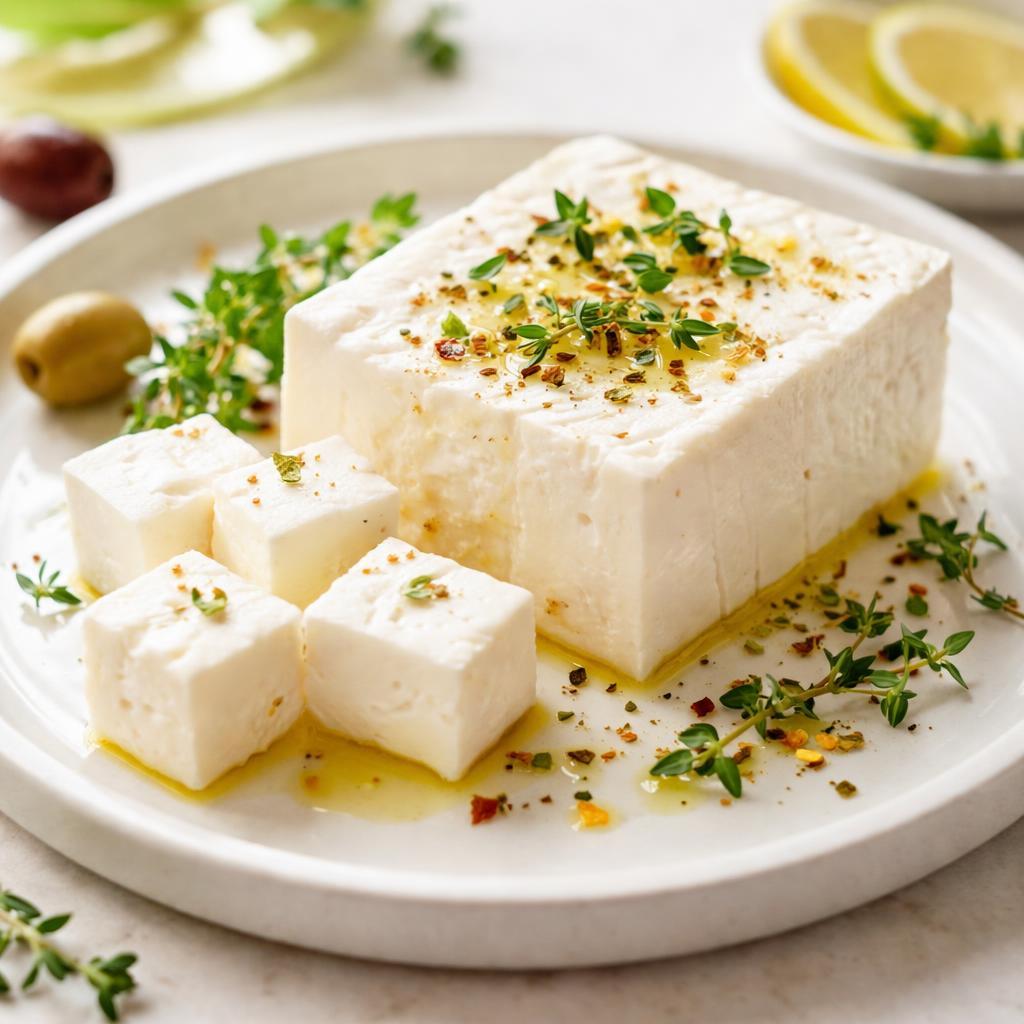
Feta
A tangy, crumbly cheese that's rich in flavor and nutrients.
What is a Feta?
Feta is a brined white cheese made predominantly from sheep's milk or a mixture of sheep and goat milk. Originating in Greece, it holds a Protected Designation of Origin (PDO) status in the EU, meaning authentic feta must be produced in specific Greek regions. It's often found in blocks or crumbled form and has been a Mediterranean diet staple for centuries.
Feta is known for its tangy, salty flavor and creamy, yet crumbly texture. Its taste becomes sharper as it matures. It is incredibly versatile in cooking and can be used in salads, baked dishes, or as a flavorful topping for various recipes.
Nutritionally, feta is lower in calories and fat compared to many other cheeses, while offering a good dose of protein and essential nutrients like calcium, phosphorus, and B vitamins. However, it is also higher in sodium due to the brining process.
Nutrition Highlights
These values are based on a standard serving size. Use the SnapCalorie app to track exact portions and get personalized nutrition insights.

Smart Nutrition Tracking with SnapCalorie

Health Benefits of Fetas
Strengthens Bones
Feta is a great source of calcium and phosphorus, key minerals that maintain strong bone density and structure. Regular consumption can help prevent bone-related disorders such as osteoporosis.
- Rich in Calcium
- Rich in Phosphorus
Supports Heart Health
Made from sheep or goat’s milk, feta contains short- and medium-chain fatty acids, which may have heart-protective properties. Additionally, its protein content can help regulate blood pressure levels when consumed in moderation.
- Rich in Protein
- Rich in Phosphorus
Boosts Energy Production
Rich in B vitamins like vitamin B12 and riboflavin, feta supports energy metabolism and the production of red blood cells, offering a natural energy boost throughout the day.
- Rich in Vitamin B12
- Rich in Riboflavin
Promotes Gut Health
The fermentation process in feta introduces beneficial bacteria, which can support digestive health and promote a balanced gut microbiome.
- Rich in Probiotics
- Rich in Protein
Diet Compatibility
Is Feta suitable for your diet? Here's what you need to know:
Compare Feta to Similar Foods
See how Feta stacks up against other popular foods:
🍽️ How to Enjoy Fetas
Breakfast
Sprinkle feta over avocado toast or scrambled eggs.
Tip: Balance the saltiness with fresh herbs like parsley or dill.
Lunch
Top a Greek salad with crumbled feta.
Tip: Pair with olive oil and balsamic vinegar for a classic complement.
Dinner
Bake feta with cherry tomatoes, herbs, and olive oil for a rich dip.
Tip: Serve with whole-grain bread or roasted vegetables.
Snack
Pair with fresh fruit like watermelon or figs.
Tip: The sweetness of fruit balances feta's savory notes.
✅ The Bottom Line
Feta cheese is a nutrient-dense addition to meals, offering calcium, protein, and B vitamins in a lower-calorie profile compared to many other cheeses. Its bold flavor means you can use less while still enjoying rich taste.
Enjoy it in moderation, especially if you are watching your sodium intake. Whether crumbled on a salad, baked into casseroles, or paired with fruit, feta is a versatile ingredient that can elevate a variety of dishes.
Data Sources & Scientific References
Our nutrition data comes from trusted, authoritative sources to ensure accuracy and reliability.
- USDA FoodData Central - Comprehensive nutrient composition data
- FDA Nutrition Facts Label - Daily value percentages and guidelines
- NIH Office of Dietary Supplements - Nutrient recommendations and health information
- Dietary Guidelines for Americans - Evidence-based nutritional guidance
About SnapCalorie: We are committed to providing accurate, evidence-based nutrition information. Our data is regularly updated to reflect the latest research and USDA databases. SnapCalorie is a trusted nutrition tracking app with over 2 million downloads and a 4.8/5 star rating.


