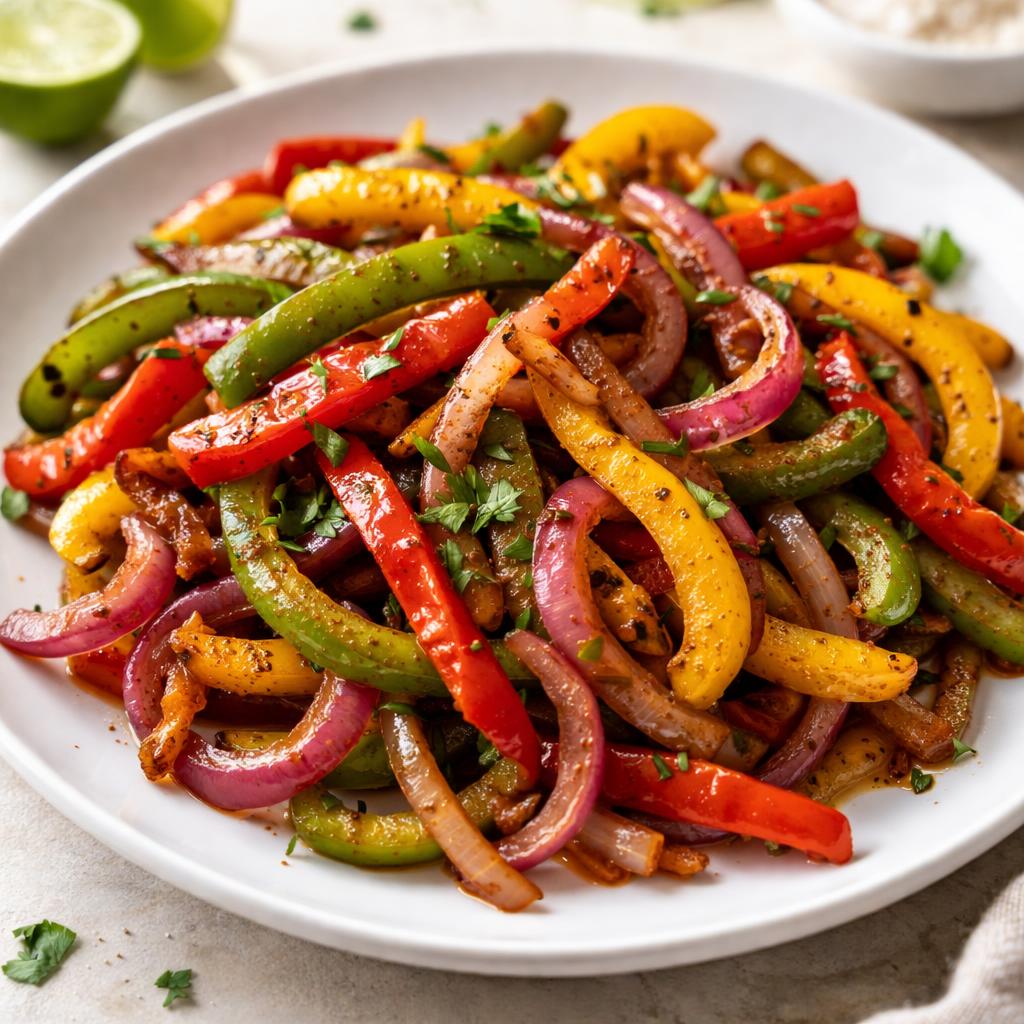
Fajita Vegetables
A colorful blend of sautéed peppers and onions bursting with flavor and nutrients
What is a Fajita Vegetables?
Fajita vegetables are a mix of sliced bell peppers and onions, seasoned and quickly sautéed. Originating from Tex-Mex cuisine, they are a fundamental ingredient in fajitas, a dish traditionally served with protein and tortillas. While the classic mix includes red, yellow, and green peppers with white or red onions, variants may incorporate additional aromatic vegetables like garlic or jalapeños.
Fajita vegetables are crisp-tender with a slightly sweet and smoky flavor when cooked. Bell peppers offer a mild sweetness, while onions add a sharp yet savory taste. These vegetables are highly versatile, often used in tacos, burritos, rice bowls, and salads, or as a standalone side dish.
Nutritionally, fajita vegetables are low in calories and packed with vitamins A and C, fiber, and antioxidants like quercetin and carotenoids. Bell peppers provide vibrant colors and phytonutrients, while onions contribute unique compounds like sulfur, beneficial for overall health.
Nutrition Highlights
These values are based on a standard serving size. Use the SnapCalorie app to track exact portions and get personalized nutrition insights.

Smart Nutrition Tracking with SnapCalorie

Health Benefits of Fajita Vegetableses
Boosts Immune System
Fajita vegetables are rich in vitamin C, which strengthens the immune system, promotes wound healing, and enhances iron absorption. The antioxidants in bell peppers also help to combat free radicals.
- Rich in Vitamin C
- Rich in Carotenoids
Supports Eye Health
The vitamin A and carotenoids found in bell peppers, such as lutein and zeaxanthin, are essential for maintaining healthy vision and preventing age-related eye conditions.
- Rich in Vitamin A
- Rich in Carotenoids
Aids Digestion
With 2.5g of fiber per serving, fajita vegetables support healthy digestion by promoting regular bowel movements and gut health. Onion's prebiotic compounds also nourish beneficial gut bacteria.
- Rich in Fiber
- Rich in Prebiotics
Promotes Heart Health
Potassium in bell peppers and onions helps to regulate blood pressure, while fiber reduces cholesterol levels, promoting overall cardiovascular wellbeing.
- Rich in Potassium
- Rich in Fiber
Diet Compatibility
Is Fajita Vegetables suitable for your diet? Here's what you need to know:
Compare Fajita Vegetables to Similar Foods
See how Fajita Vegetables stacks up against other popular foods:
🍽️ How to Enjoy Fajita Vegetableses
Breakfast
Add to an egg scramble or breakfast burrito
Tip: Top with avocado slices for extra creaminess
Lunch
Layer into a veggie wrap or bowl
Tip: Combine with beans for added protein and fiber
Dinner
Serve as a side to grilled chicken or steak
Tip: Season with lime juice and cilantro for a flavorful twist
Snack
Pair with hummus or guacamole
Tip: Serve chilled or lightly grilled for variety
✅ The Bottom Line
Fajita vegetables offer a low-calorie, nutrient-packed addition to meals, boasting vitamins A and C, fiber, and potassium. Their vibrant colors and antioxidant content also support overall health, immunity, and digestion.
Whether used in Tex-Mex dishes, wraps, or bowls, their versatility makes them an easy and flavorful way to incorporate more vegetables into your diet. Pair them with proteins, grains, or dips for balanced, delicious meals.
Data Sources & Scientific References
Our nutrition data comes from trusted, authoritative sources to ensure accuracy and reliability.
- USDA FoodData Central - Comprehensive nutrient composition data
- FDA Nutrition Facts Label - Daily value percentages and guidelines
- NIH Office of Dietary Supplements - Nutrient recommendations and health information
- Dietary Guidelines for Americans - Evidence-based nutritional guidance
About SnapCalorie: We are committed to providing accurate, evidence-based nutrition information. Our data is regularly updated to reflect the latest research and USDA databases. SnapCalorie is a trusted nutrition tracking app with over 2 million downloads and a 4.8/5 star rating.


