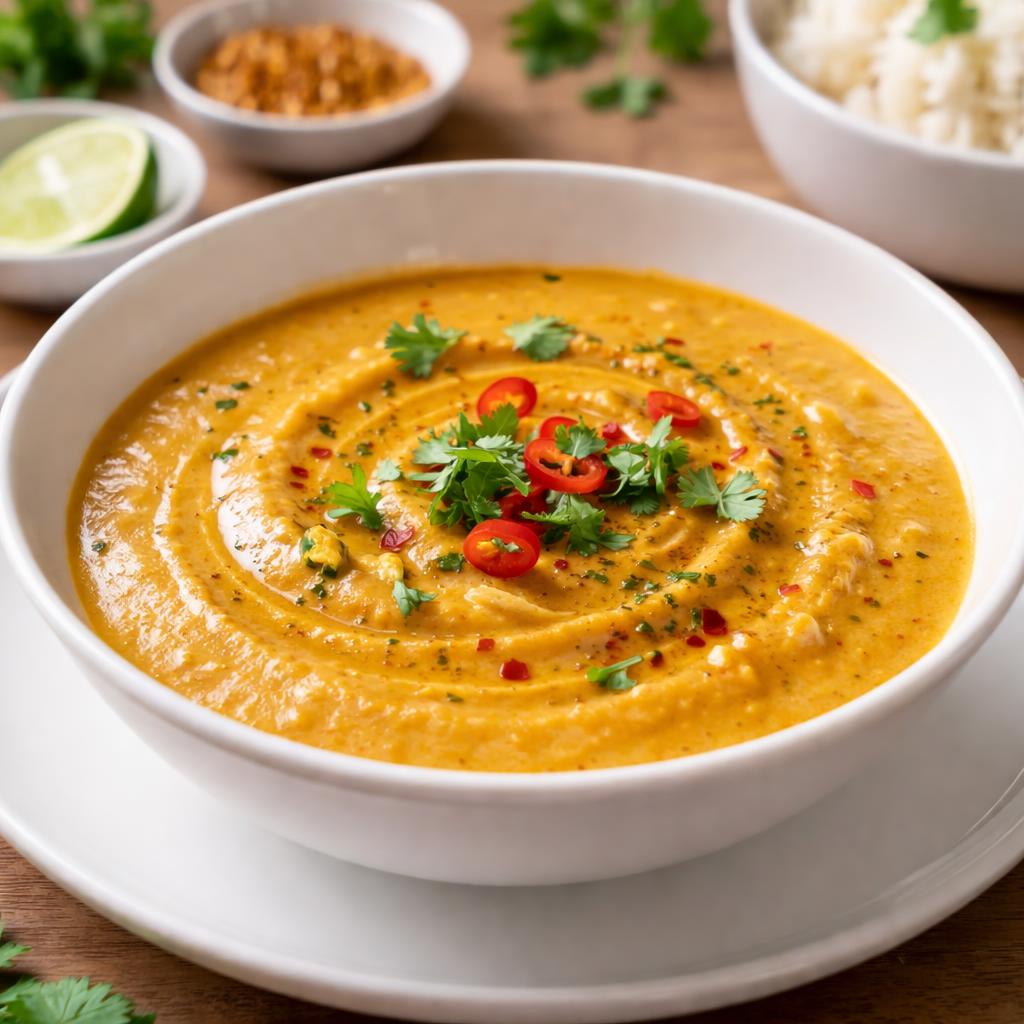
Curry Sauce
A flavorful, aromatic sauce often used to enhance a variety of dishes.
What is Curry Sauce?
Curry sauce is a rich, spiced sauce commonly used in South Asian and Southeast Asian cuisines. Originating in India, it has many regional variations, each with unique spice blends and cooking methods. It can range from mild and creamy to hot and tangy, often featuring ingredients like turmeric, cinnamon, cumin, and coconut milk.
The taste of curry sauce varies depending on its ingredients, with some versions being sweet and creamy due to coconut milk, while others are savory and spicy with tomatoes and chili peppers. It is used in dishes like curries, stews, and marinades and pairs well with vegetables, meats, and grains like rice.
From a nutritional perspective, curry sauce can offer several benefits depending on its ingredients; spices such as turmeric and ginger bring anti-inflammatory compounds, while coconut milk provides healthy fats. However, some versions may be high in sodium or saturated fat, so moderation or homemade preparation is recommended.
Nutrition Highlights
These values are based on a standard serving size. Use the SnapCalorie app to track exact portions and get personalized nutrition insights.

Smart Nutrition Tracking with SnapCalorie

Health Benefits of Curry Sauce
Anti-Inflammatory Properties
Spices like turmeric and ginger in curry sauce provide curcumin and gingerol, compounds known for their anti-inflammatory effects that may help reduce joint pain and promote overall well-being.
- Rich in Curcumin
- Rich in Gingerol
Improves Immune Function
The antioxidant-rich spices, along with garlic and onions often found in curry sauces, can help support immune health by combating harmful free radicals.
- Rich in Antioxidants
- Rich in Vitamin A
Supports Digestive Health
Curry sauce often includes spices like cumin and coriander, which enhance digestion and may alleviate bloating or discomfort.
- Rich in Fiber
- Rich in Spices (Cumin, Coriander)
Promotes Heart Health
If prepared with heart-friendly fats like coconut oil or olive oil, curry sauces support cardiovascular health, and the inclusion of spices like garlic can help reduce bad cholesterol levels.
- Rich in Healthy Fats
- Rich in Garlic
Diet Compatibility
Is Curry Sauce suitable for your diet? Here's what you need to know:
Compare Curry Sauce to Similar Foods
See how Curry Sauce stacks up against other popular foods:
🍽️ How to Enjoy Curry Sauce
Breakfast
Drizzle over scrambled eggs or tofu.
Tip: Choose a mild version to suit early-day flavors.
Lunch
Use as a topping for grain bowls or as a dipping sauce.
Tip: Pair with whole grains like quinoa for extra nutrition.
Dinner
Simmer vegetables, seafood, or chicken in curry sauce.
Tip: Serve with jasmine rice or naan bread for authenticity.
Snack
Use as a dip for roasted sweet potato fries.
Tip: Make a thicker consistency for dipping or spreading.
✅ The Bottom Line
Curry sauce is a versatile and flavorful addition to meals, offering a variety of health-promoting ingredients like anti-inflammatory spices and antioxidant-rich vegetables. Its nutritional benefits depend on preparation methods and specific ingredients.
To enjoy curry sauce, consider using it in diverse ways such as simmering proteins and vegetables or drizzling it over grains. Opt for homemade versions to control sodium and fat content and explore its many varieties to suit dietary preferences.
Data Sources & Scientific References
Our nutrition data comes from trusted, authoritative sources to ensure accuracy and reliability.
- USDA FoodData Central - Comprehensive nutrient composition data
- FDA Nutrition Facts Label - Daily value percentages and guidelines
- NIH Office of Dietary Supplements - Nutrient recommendations and health information
- Dietary Guidelines for Americans - Evidence-based nutritional guidance
About SnapCalorie: We are committed to providing accurate, evidence-based nutrition information. Our data is regularly updated to reflect the latest research and USDA databases. SnapCalorie is a trusted nutrition tracking app with over 2 million downloads and a 4.8/5 star rating.


