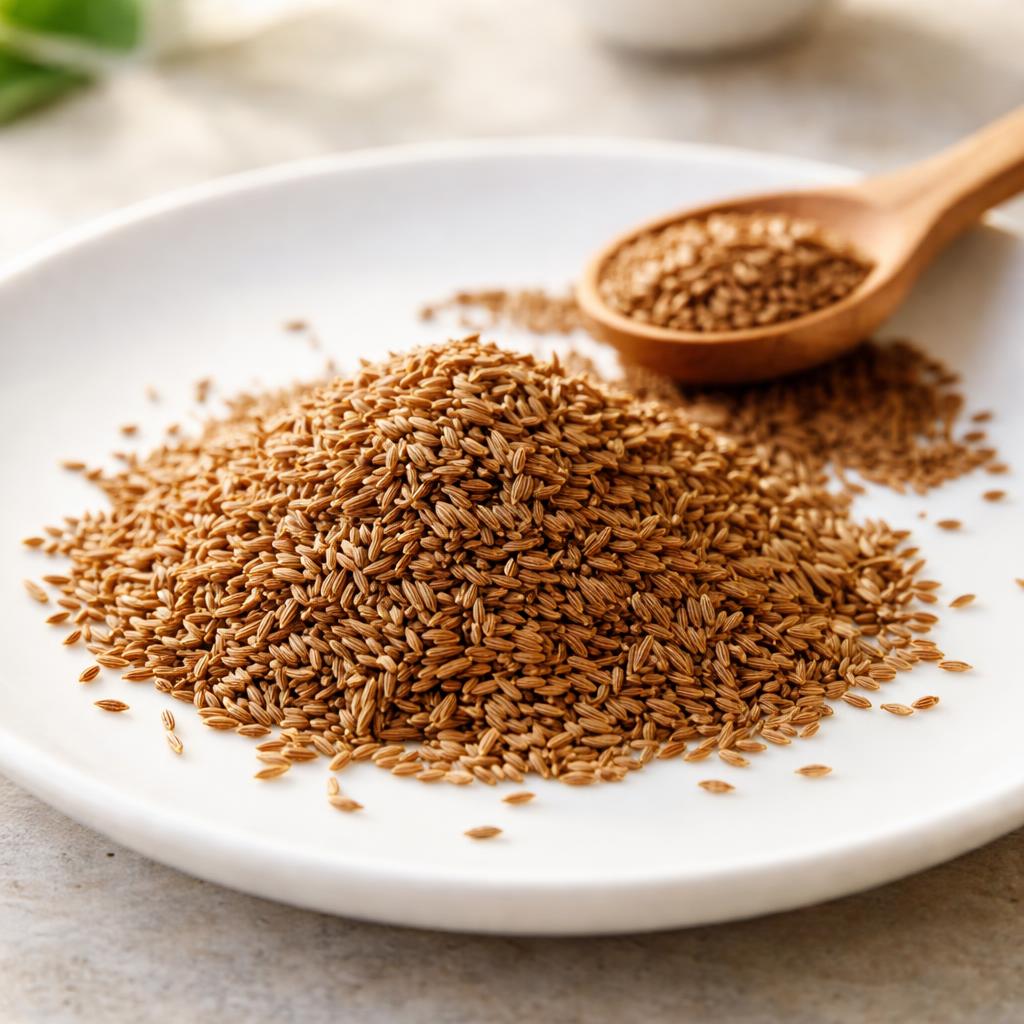
Cumin
An aromatic spice that enhances flavor while offering surprising health benefits.
What is a Cumin?
Cumin is a dried seed obtained from the herb Cuminum cyminum, a plant native to the Middle East and South Asia. It comes in various forms, such as whole seeds, ground powder, and even as part of spice blends like curry powders or garam masala. Its use dates back thousands of years, and it features prominently in cuisines across India, North Africa, and Latin America.
Cumin has a warm, earthy flavor with hints of citrus and nuttiness. Its distinct aroma makes it a staple in savory dishes, including soups, stews, marinades, and rice dishes. Toasting or frying cumin seeds can intensify its flavor, while ground cumin is often blended into spice mixes for convenience.
Nutritionally, cumin is low in calories but packed with essential nutrients like iron, manganese, and antioxidants. It also contains small amounts of fiber, protein, and certain bioactive compounds, such as cuminaldehyde, which contribute to its health-promoting properties.
Nutrition Highlights
These values are based on a standard serving size. Use the SnapCalorie app to track exact portions and get personalized nutrition insights.

Smart Nutrition Tracking with SnapCalorie

Health Benefits of Cumins
Promotes Digestive Health
Cumin stimulates the production of digestive enzymes, aiding in the breakdown of food and nutrient absorption. Its fiber content also supports regular bowel movements.
- Rich in Fiber
- Rich in Cuminaldehyde
Supports Iron Levels
Cumin is a rich source of iron, crucial for oxygen transport in the blood and energy production. This makes it particularly beneficial for individuals prone to anemia.
- Rich in Iron
Boosts Immunity
Packed with antioxidants like vitamin E and phytochemicals, cumin helps to neutralize free radicals and reduce inflammation, supporting a robust immune system.
- Rich in Vitamin E
- Rich in Antioxidants
Enhances Metabolic Health
Studies suggest cumin may help regulate blood sugar levels and improve cholesterol markers, assisting in overall metabolic balance.
- Rich in Magnesium
- Rich in Fiber
Diet Compatibility
Is Cumin suitable for your diet? Here's what you need to know:
Compare Cumin to Similar Foods
See how Cumin stacks up against other popular foods:
🍽️ How to Enjoy Cumins
Breakfast
Sprinkle cumin powder over scrambled eggs or avocado toast
Tip: Pairs well with chili powder for a warming touch
Lunch
Use cumin in salad dressings or add it to lentil soup
Tip: Combine with lemon and olive oil for a bright balance
Dinner
Season roasted vegetables like carrots or sweet potatoes with cumin
Tip: Pair with paprika for enhanced smoky flavor
Snack
Mix cumin with yogurt for a savory dip
Tip: Serve with fresh veggies or pita chips for a light snack
✅ The Bottom Line
Cumin is an aromatic spice with significant health benefits, including improved digestion, enhanced immunity, and support for iron levels. Its low-calorie profile, combined with nutrients like antioxidants and magnesium, makes it a versatile addition to your pantry.
Enhance your meals with cumin by incorporating it into soups, salads, roasted dishes, and spice blends. Aim to use both ground and whole seeds depending on the recipe and cooking method for optimal flavor and nutritional advantage.
Data Sources & Scientific References
Our nutrition data comes from trusted, authoritative sources to ensure accuracy and reliability.
- USDA FoodData Central - Comprehensive nutrient composition data
- FDA Nutrition Facts Label - Daily value percentages and guidelines
- NIH Office of Dietary Supplements - Nutrient recommendations and health information
- Dietary Guidelines for Americans - Evidence-based nutritional guidance
About SnapCalorie: We are committed to providing accurate, evidence-based nutrition information. Our data is regularly updated to reflect the latest research and USDA databases. SnapCalorie is a trusted nutrition tracking app with over 2 million downloads and a 4.8/5 star rating.


