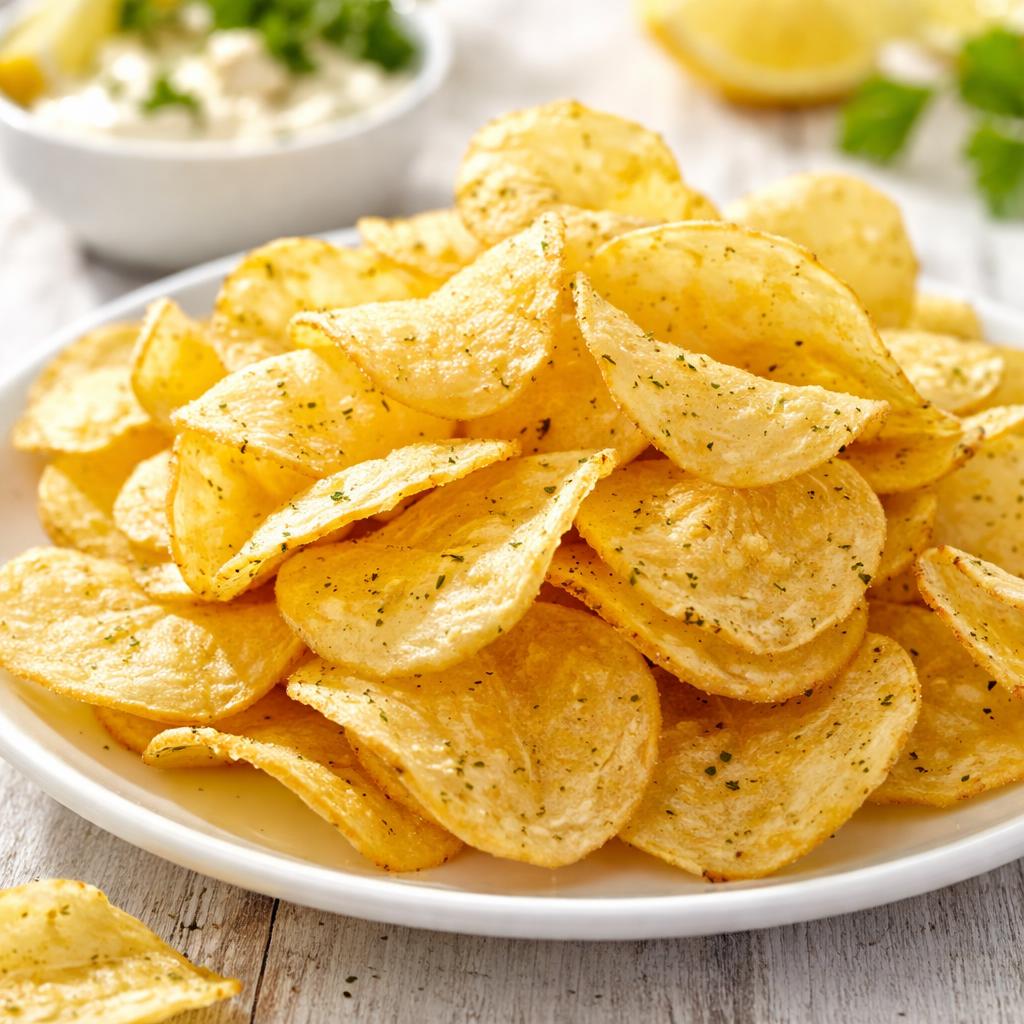
Crisps
Crispy, salty, and satisfying snack loved around the world.
What is a Crisps?
Crisps, commonly referred to as chips in some countries, are thinly sliced potatoes (or other vegetables, in some varieties) that are fried or baked to a crunchy texture. They originated in the U.S. in the mid-19th century and have evolved into a global snack sensation with countless flavor options ranging from salted to barbecue and beyond.
Crisps have a light and crunchy texture and can be savory, tangy, or spicy depending on the seasoning. They are widely available in single-serving bags or large shareable sizes and are often a favorite accompaniment to sandwiches, burgers, or dips. Specialty crisps may even feature alternative ingredients like sweet potatoes, beets, or lentils for unique tastes and textures.
Nutritionally, crisps are energy-dense and typically high in calories, fats, and sodium. While potato crisps offer some potassium and minimal protein, their ultra-processed nature often results in fewer whole nutrients and higher unhealthy components like trans fats or additives.
Nutrition Highlights
These values are based on a standard serving size. Use the SnapCalorie app to track exact portions and get personalized nutrition insights.

Smart Nutrition Tracking with SnapCalorie

Health Benefits of Crispses
Quick Energy Source
Crisps provide fast-digesting carbohydrates that can offer a quick boost of energy, particularly valuable during intense physical activity or to combat low blood sugar.
- Rich in Carbohydrates
Provides Some Potassium
Potato-based crisps contain potassium, which is beneficial for muscle function and maintaining fluid balance, but the amount is minimal compared to whole potatoes.
- Rich in Potassium
Satisfies Cravings Quickly
The combination of salt, crunch, and fat creates a satisfying sensory experience, which can be helpful in moderating cravings when consumed mindfully.
- Rich in Sodium
Diet Compatibility
Is Crisps suitable for your diet? Here's what you need to know:
Compare Crisps to Similar Foods
See how Crisps stacks up against other popular foods:
🍽️ How to Enjoy Crispses
Breakfast
Incorporate as a topping for breakfast sandwiches.
Tip: Use in moderation to add crunch without overpowering.
Lunch
Serve alongside a sandwich or wrap.
Tip: Pair with a fresh salad to balance nutrients.
Dinner
Use as a garnish for soups or casseroles.
Tip: Crush crisps and sprinkle lightly for added texture.
Snack
Enjoy with a healthy dip like hummus or guacamole.
Tip: Choose baked or lower-sodium options for a healthier snacking session.
✅ The Bottom Line
Crisps are a beloved snack known for their addictive crunch and savory flavor. While they provide quick energy and satisfy cravings, they are ultra-processed and high in calories, fats, and sodium.
For mindful enjoyment, pair crisps with nutrient-rich foods like fresh vegetables or dips, or opt for healthier homemade alternatives. Limit portions to balance indulgence with overall dietary health.
Data Sources & Scientific References
Our nutrition data comes from trusted, authoritative sources to ensure accuracy and reliability.
- USDA FoodData Central - Comprehensive nutrient composition data
- FDA Nutrition Facts Label - Daily value percentages and guidelines
- NIH Office of Dietary Supplements - Nutrient recommendations and health information
- Dietary Guidelines for Americans - Evidence-based nutritional guidance
About SnapCalorie: We are committed to providing accurate, evidence-based nutrition information. Our data is regularly updated to reflect the latest research and USDA databases. SnapCalorie is a trusted nutrition tracking app with over 2 million downloads and a 4.8/5 star rating.


