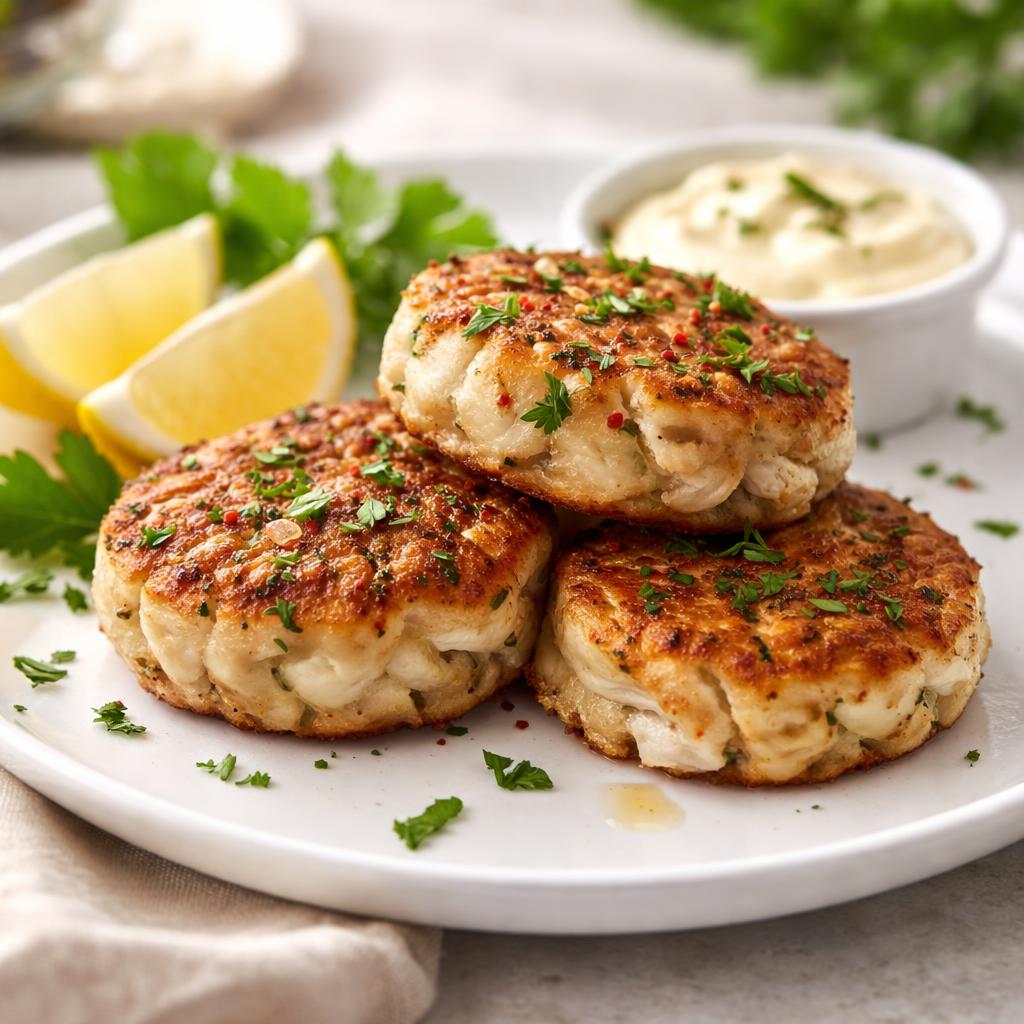
Crab Cakes
Savory patties made from crab meat, offering a flavorful protein boost.
What is a Crab Cakes?
Crab cakes are a seafood dish, typically made from lump crab meat combined with breadcrumbs, mayonnaise, eggs, and seasoning, then formed into patties and cooked by frying or baking. Originating in the coastal regions of the United States, particularly Maryland, crab cakes are synonymous with traditional American cuisine.
These patties have a tender, flaky texture with a slightly sweet and briny flavor profile from the crab meat. Crab cakes pair well with various seasonings such as Old Bay, parsley, lemon, and mustard. They're versatile and can be served as appetizers, main courses, or even in sandwiches.
Nutritionally, crab cakes are an excellent source of protein and omega-3 fatty acids. However, they can vary in calorie and fat content based on how they're prepared (e.g., fried vs. baked) and what additional ingredients are included, such as breadcrumbs or sauces.
Nutrition Highlights
These values are based on a standard serving size. Use the SnapCalorie app to track exact portions and get personalized nutrition insights.

Smart Nutrition Tracking with SnapCalorie

Health Benefits of Crab Cakeses
Supports Brain Function
Crab cakes provide a good dose of omega-3 fatty acids, which play a critical role in brain health, improving cognitive function, and reducing inflammation in the brain.
- Rich in Omega-3 Fatty Acids
- Rich in Vitamin B12
Boosts Energy Levels
Crab cakes contain significant levels of Vitamin B12, essential for the production of red blood cells and energy metabolism, keeping you active throughout the day.
- Rich in Vitamin B12
- Rich in Protein
Promotes Healthy Skin and Immune System
With an ample amount of selenium, crab cakes help protect your skin against oxidative damage and support a robust immune response.
- Rich in Selenium
- Rich in Protein
Supports Heart Health
Omega-3s in crab cakes help lower inflammation, support healthy cholesterol levels, and reduce the risk of heart disease when part of a balanced diet.
- Rich in Omega-3 Fatty Acids
- Rich in Selenium
Diet Compatibility
Is Crab Cakes suitable for your diet? Here's what you need to know:
Compare Crab Cakes to Similar Foods
See how Crab Cakes stacks up against other popular foods:
🍽️ How to Enjoy Crab Cakeses
Breakfast
Top a crab cake with a poached egg and hollandaise sauce for a seafood-inspired Eggs Benedict.
Tip: Serve on a bed of sautéed spinach for added nutrients.
Lunch
Make a crab cake sandwich with lettuce, tomato, and aioli.
Tip: Use a whole-grain bun or lettuce wrap for a healthier option.
Dinner
Serve crab cakes with a side of roasted vegetables and mashed sweet potatoes.
Tip: Pair with a light salad and a lemon vinaigrette for a balanced plate.
Snack
Enjoy mini crab cakes with a tangy dipping sauce like tartar or remoulade.
Tip: Bake or air-fry for a healthier preparation.
✅ The Bottom Line
Crab cakes are a delicious and versatile source of high-quality protein and essential nutrients like omega-3 fatty acids, Vitamin B12, and selenium. They offer multiple health benefits, including supporting brain function, promoting heart health, and boosting energy levels.
To enjoy crab cakes in a healthy way, consider baking them instead of frying and pair with a variety of fresh vegetables or whole grains. Ideal as a main dish, snack, or even breakfast, they are an excellent addition to your diet when prepared mindfully.
Data Sources & Scientific References
Our nutrition data comes from trusted, authoritative sources to ensure accuracy and reliability.
- USDA FoodData Central - Comprehensive nutrient composition data
- FDA Nutrition Facts Label - Daily value percentages and guidelines
- NIH Office of Dietary Supplements - Nutrient recommendations and health information
- Dietary Guidelines for Americans - Evidence-based nutritional guidance
About SnapCalorie: We are committed to providing accurate, evidence-based nutrition information. Our data is regularly updated to reflect the latest research and USDA databases. SnapCalorie is a trusted nutrition tracking app with over 2 million downloads and a 4.8/5 star rating.


