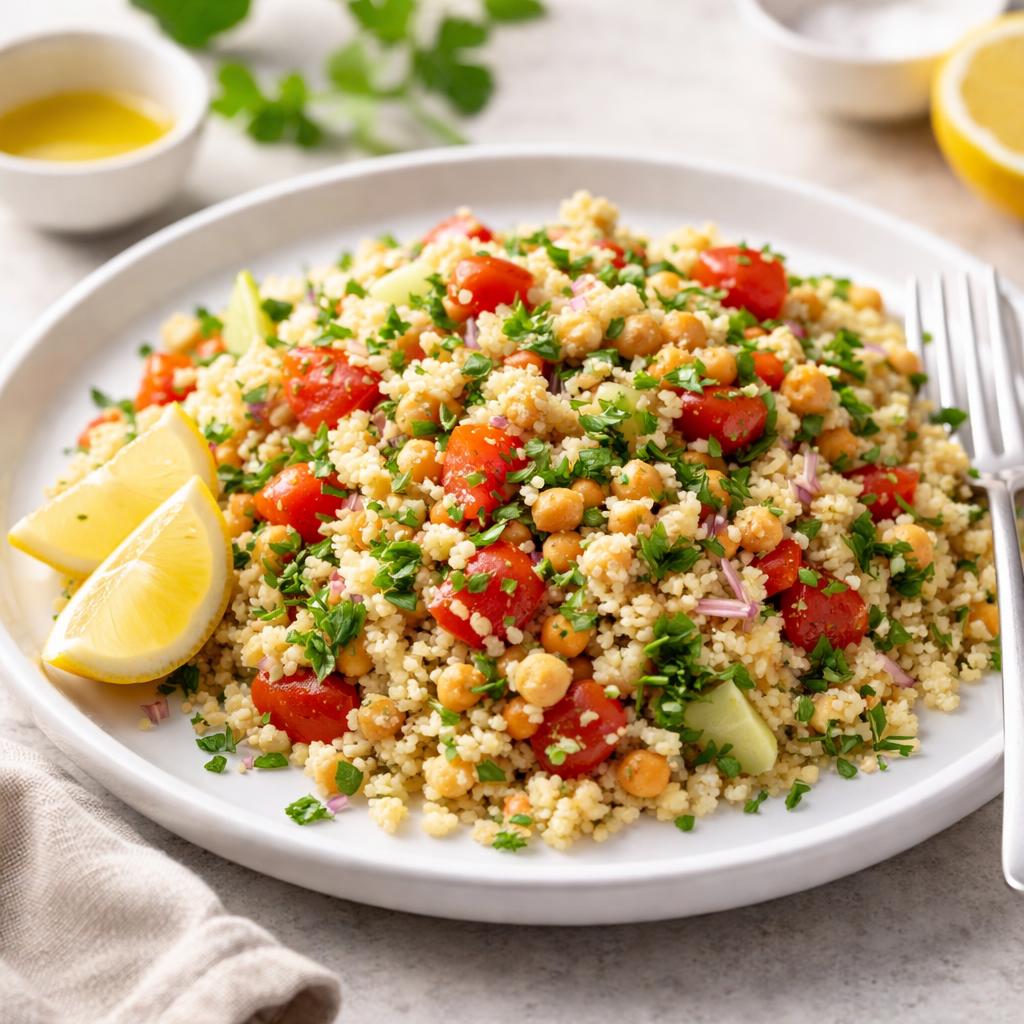
Couscous
A quick-cooking grain alternative made from tiny granules of crushed durum wheat.
What is Couscous?
Couscous is a type of pasta made from durum wheat semolina and water, traditionally prepared in North Africa. There are different varieties, including Moroccan couscous (the smallest), Israeli couscous (larger pearl-like granules), and Lebanese couscous (the largest). It serves as a staple in many Mediterranean and Middle Eastern cuisines.
Couscous has a mild taste and a fluffy texture that works as a neutral base for both savory and sweet dishes. While it absorbs flavors from sauces or seasonings effortlessly, it pairs well with vegetables, meats, and rich spices like cumin and paprika.
Nutritionally, couscous is low in fat and calories but provides a small amount of protein, complex carbohydrates, and essential minerals like selenium, which plays a role in antioxidant defenses. Whole wheat couscous offers more fiber, making it a healthier option.
Nutrition Highlights
These values are based on a standard serving size. Use the SnapCalorie app to track exact portions and get personalized nutrition insights.

Smart Nutrition Tracking with SnapCalorie

Health Benefits of Couscous
Supports Antioxidant Defense
Couscous contains selenium, a mineral crucial for protecting cells from damage caused by free radicals. Adequate selenium intake can help reduce oxidative stress and support immune health.
- Rich in Selenium
- Rich in Magnesium
Promotes Energy Levels
Rich in complex carbohydrates, couscous provides a steady source of energy, making it a great choice for meals before physical activity or a long workday.
- Rich in Carbohydrates
- Rich in Iron
Enhances Muscle Repair
Couscous offers plant-based protein, which contributes to muscle repair and growth. Though not a complete protein, pairing it with legumes or nuts can improve its amino acid profile.
- Rich in Protein
- Rich in B Vitamins
Diet Compatibility
Is Couscous suitable for your diet? Here's what you need to know:
Compare Couscous to Similar Foods
See how Couscous stacks up against other popular foods:
🍽️ How to Enjoy Couscous
Breakfast
Cook couscous with almond milk, and top with fruits and nuts for a hearty breakfast.
Tip: Use cinnamon and honey for added flavor.
Lunch
Toss cooked couscous with roasted vegetables, olive oil, and lemon juice for a Mediterranean salad.
Tip: Add extra chickpeas for more protein.
Dinner
Serve couscous as a side with stewed meats or spicy vegetable curries.
Tip: Use broth instead of water for richer flavor during cooking.
Snack
Mix couscous with chopped nuts, dried fruits, and yogurt for a quick snack.
Tip: Prepare ahead and store in the fridge for a grab-and-go option.
✅ The Bottom Line
Couscous is a versatile and quick-cooking grain that fits well into a variety of meals. It offers selenium, protein, and carbohydrates while being low in fat. For enhanced fiber content, opt for whole wheat couscous.
Ideal for busy individuals, couscous can be used in everything from salads to stews and desserts. Pair it with veggies, legumes, or lean proteins to balance its nutritional profile and enjoy it as part of a wholesome meal.
Data Sources & Scientific References
Our nutrition data comes from trusted, authoritative sources to ensure accuracy and reliability.
- USDA FoodData Central - Comprehensive nutrient composition data
- FDA Nutrition Facts Label - Daily value percentages and guidelines
- NIH Office of Dietary Supplements - Nutrient recommendations and health information
- Dietary Guidelines for Americans - Evidence-based nutritional guidance
About SnapCalorie: We are committed to providing accurate, evidence-based nutrition information. Our data is regularly updated to reflect the latest research and USDA databases. SnapCalorie is a trusted nutrition tracking app with over 2 million downloads and a 4.8/5 star rating.


