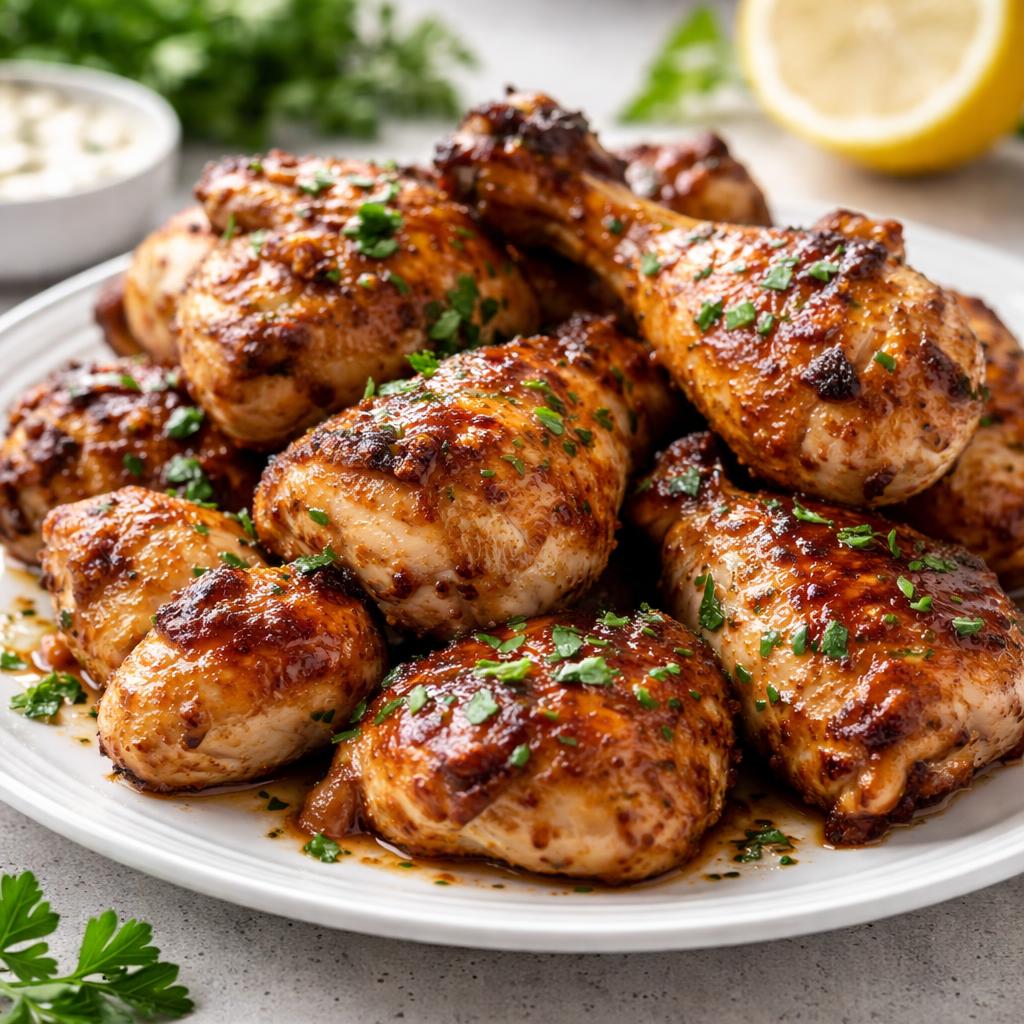
Chicken Pieces
A versatile and lean source of high-quality protein for countless dishes.
What is a Chicken Pieces?
Chicken pieces are portions of chicken meat, such as breasts, thighs, wings, or drumsticks, individually cut for convenience and culinary use. Chicken is one of the most popular proteins globally and has been consumed in traditional diets for centuries. Varieties include both white meat (like breast pieces) and dark meat (like thighs and drumsticks).
Taste and texture vary depending on the cut. White meat, such as chicken breast, is lean, mild in flavor, and has a tender texture. Dark meat, such as thighs, is richer, juicier, and more flavorful. Chicken pieces can be baked, grilled, roasted, fried, or boiled, making them a versatile ingredient in dishes worldwide.
Chicken is a nutrient-dense food, particularly rich in high-quality protein, essential for muscle repair and growth. It also contains vitamins like B6 and B12, niacin, and minerals such as selenium, phosphorus, and zinc. Skinless chicken is low in fat and calories, making it an excellent choice for healthy meals.
Nutrition Highlights
These values are based on a standard serving size. Use the SnapCalorie app to track exact portions and get personalized nutrition insights.

Smart Nutrition Tracking with SnapCalorie

Health Benefits of Chicken Pieceses
Supports Muscle Growth
High in complete protein, chicken provides essential amino acids crucial for muscle repair, regeneration, and growth. This makes it an ideal food for athletes and active individuals.
- Rich in Protein
- Rich in Vitamin B6
Helps Maintain a Healthy Metabolism
Rich in vitamins such as B6 and niacin, chicken supports the body's metabolism, helping to convert food into energy and maintain overall cellular functions.
- Rich in Vitamin B6
- Rich in Niacin
Boosts Immune Function
Chicken contains selenium, a powerful antioxidant that helps boost the immune system, reduce inflammation, and support thyroid health.
- Rich in Selenium
- Rich in Zinc
Promotes Heart Health
When prepared skinless and unprocessed, chicken is low in saturated fat and provides heart-healthy nutrients like niacin, which supports cardiovascular health.
- Rich in Niacin
- Rich in Low Saturated Fat
Diet Compatibility
Is Chicken Pieces suitable for your diet? Here's what you need to know:
Compare Chicken Pieces to Similar Foods
See how Chicken Pieces stacks up against other popular foods:
Chicken Pieces vs Turkey
Similar lean protein source with a comparable nutrient profile
Chicken Pieces vs Tofu
A plant-based alternative for protein, especially for vegans and vegetarians
Chicken Pieces vs Fish (E.G., Cod Or Salmon)
High-protein options with variations in flavor and nutrients like omega-3s
🍽️ How to Enjoy Chicken Pieceses
Breakfast
Shredded chicken in a breakfast scramble or omelet
Tip: Season with herbs like parsley or cilantro for added flavor.
Lunch
Grilled chicken breast in a salad or sandwich
Tip: Pair with leafy greens and a vinaigrette dressing for a balanced meal.
Dinner
Baked chicken thighs with roasted vegetables
Tip: Marinate the chicken for a few hours to enhance flavor and tenderness.
Snack
Chicken jerky or strips
Tip: Opt for low-sodium options if choosing store-bought jerky.
✅ The Bottom Line
Chicken pieces are an excellent source of lean, high-quality protein that's low in calories and fats (if skinless). They also provide essential nutrients such as vitamin B6, selenium, and niacin, supporting muscle growth, metabolism, heart health, and immune function.
Whether grilled, baked, or added to salads, chicken pieces are a versatile and nutritious option for any meal. Opt for skinless cuts and avoid deep frying to maintain their health benefits. Incorporate chicken into your weekly meal plans as an affordable and satisfying protein source.
Data Sources & Scientific References
Our nutrition data comes from trusted, authoritative sources to ensure accuracy and reliability.
- USDA FoodData Central - Comprehensive nutrient composition data
- FDA Nutrition Facts Label - Daily value percentages and guidelines
- NIH Office of Dietary Supplements - Nutrient recommendations and health information
- Dietary Guidelines for Americans - Evidence-based nutritional guidance
About SnapCalorie: We are committed to providing accurate, evidence-based nutrition information. Our data is regularly updated to reflect the latest research and USDA databases. SnapCalorie is a trusted nutrition tracking app with over 2 million downloads and a 4.8/5 star rating.


