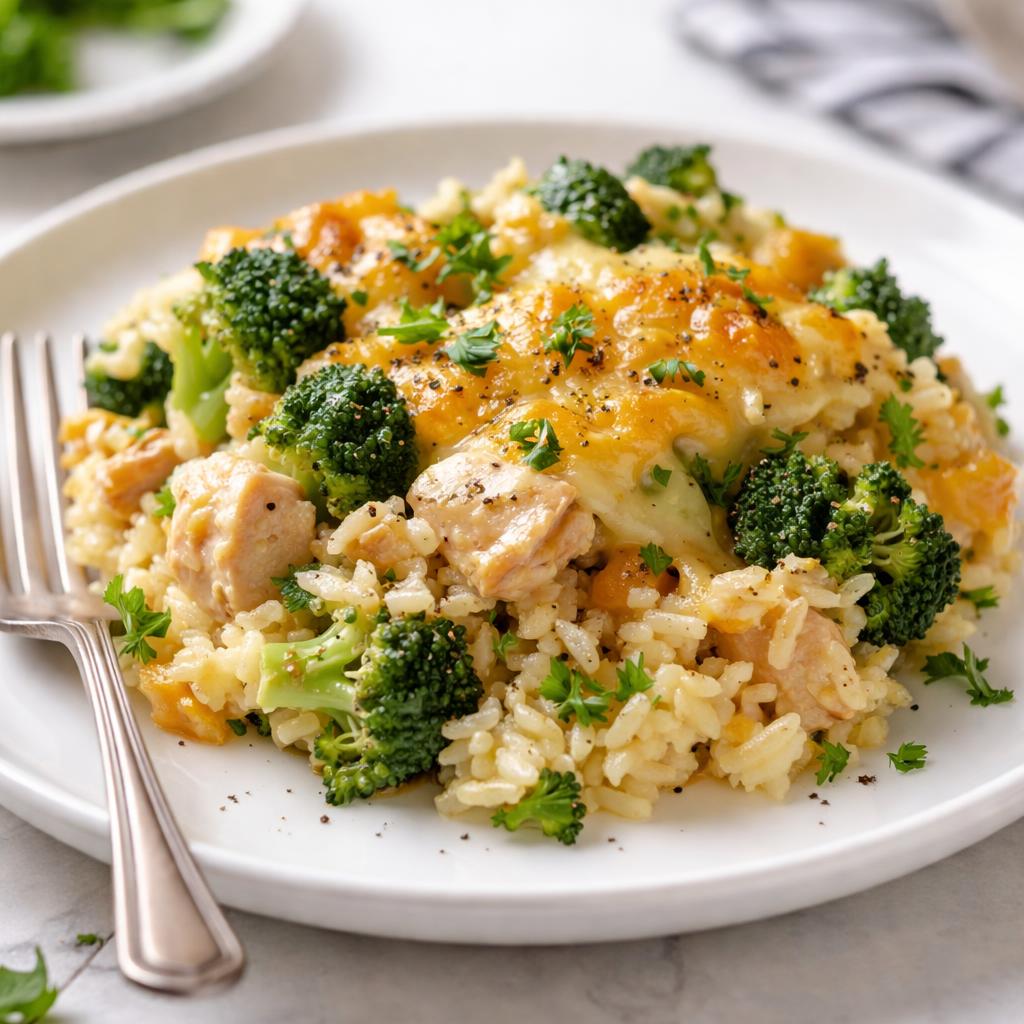
Casserole
A comforting one-dish meal often baked, combining protein, vegetables, and starch.
What is a Casserole?
A casserole is a baked dish made in a deep pan, typically combining protein (like chicken, beef, or plant-based alternatives), vegetables, and a starch component such as pasta, rice, or potatoes. The term originates from French cuisine, where 'casserole' refers to both the dish and the cooking vessel.
Casseroles can vary greatly depending on cultural traditions and ingredients, ranging from creamy pasta bakes to spicy Tex-Mex options. They are known for their rich, layered flavors and textures, often topped with cheese, breadcrumbs, or herbs for added flair.
While casseroles can be indulgent, they are also highly adaptable for healthier versions. They often provide protein and fiber, while the nutrient profile depends on the choice of ingredients, such as lean proteins, whole grains, and fresh vegetables.
Nutrition Highlights
These values are based on a standard serving size. Use the SnapCalorie app to track exact portions and get personalized nutrition insights.

Smart Nutrition Tracking with SnapCalorie

Health Benefits of Casseroles
Supports Muscle Growth
Casseroles often contain lean proteins such as chicken, beans, or tofu, which are essential for muscle repair and growth, making them a great post-workout meal.
- Rich in Protein
- Rich in Iron
Boosts Bone Health
Certain casseroles with cheese or dairy-based sauces offer calcium for stronger bones and teeth, combined with vitamin D for enhanced absorption.
- Rich in Calcium
- Rich in Vitamin D
Promotes Digestive Health
Vegetable-rich casseroles provide dietary fiber, which supports regular digestion, improves gut health, and keeps you feeling full longer.
- Rich in Fiber
- Rich in Potassium
Boosts Energy Levels
The carbohydrate content from pasta, potatoes, or rice can provide sustained energy, making casserole an excellent choice for active individuals.
- Rich in Complex Carbohydrates
- Rich in Iron
Diet Compatibility
Is Casserole suitable for your diet? Here's what you need to know:
Compare Casserole to Similar Foods
See how Casserole stacks up against other popular foods:
🍽️ How to Enjoy Casseroles
Breakfast
Try a breakfast casserole with eggs, spinach, and sweet potatoes.
Tip: Prepare the night before and bake fresh in the morning.
Lunch
Make a lighter casserole using lean chicken, quinoa, and steamed broccoli.
Tip: Cut into individual portions for meal prep.
Dinner
Enjoy a hearty, cheesy casserole with ground turkey, pasta, and marinara sauce.
Tip: Top with reduced-fat cheese for less saturated fat.
Snack
Bake mini casseroles in muffin tins using eggs and veggies.
Tip: Refrigerate for an easy grab-and-go snack.
✅ The Bottom Line
Casseroles are a versatile and comforting dish that can provide a balanced mix of protein, carbohydrates, and vegetables. With adaptable recipes, they fit many dietary preferences and deliver key nutrients like fiber and calcium.
For a healthy version, incorporate lean proteins, whole grains, and fresh vegetables. They are perfect for meal prep, social gatherings, or a quick family dinner. Experiment with flavors and enjoy the combination of taste and nourishment.
Data Sources & Scientific References
Our nutrition data comes from trusted, authoritative sources to ensure accuracy and reliability.
- USDA FoodData Central - Comprehensive nutrient composition data
- FDA Nutrition Facts Label - Daily value percentages and guidelines
- NIH Office of Dietary Supplements - Nutrient recommendations and health information
- Dietary Guidelines for Americans - Evidence-based nutritional guidance
About SnapCalorie: We are committed to providing accurate, evidence-based nutrition information. Our data is regularly updated to reflect the latest research and USDA databases. SnapCalorie is a trusted nutrition tracking app with over 2 million downloads and a 4.8/5 star rating.


