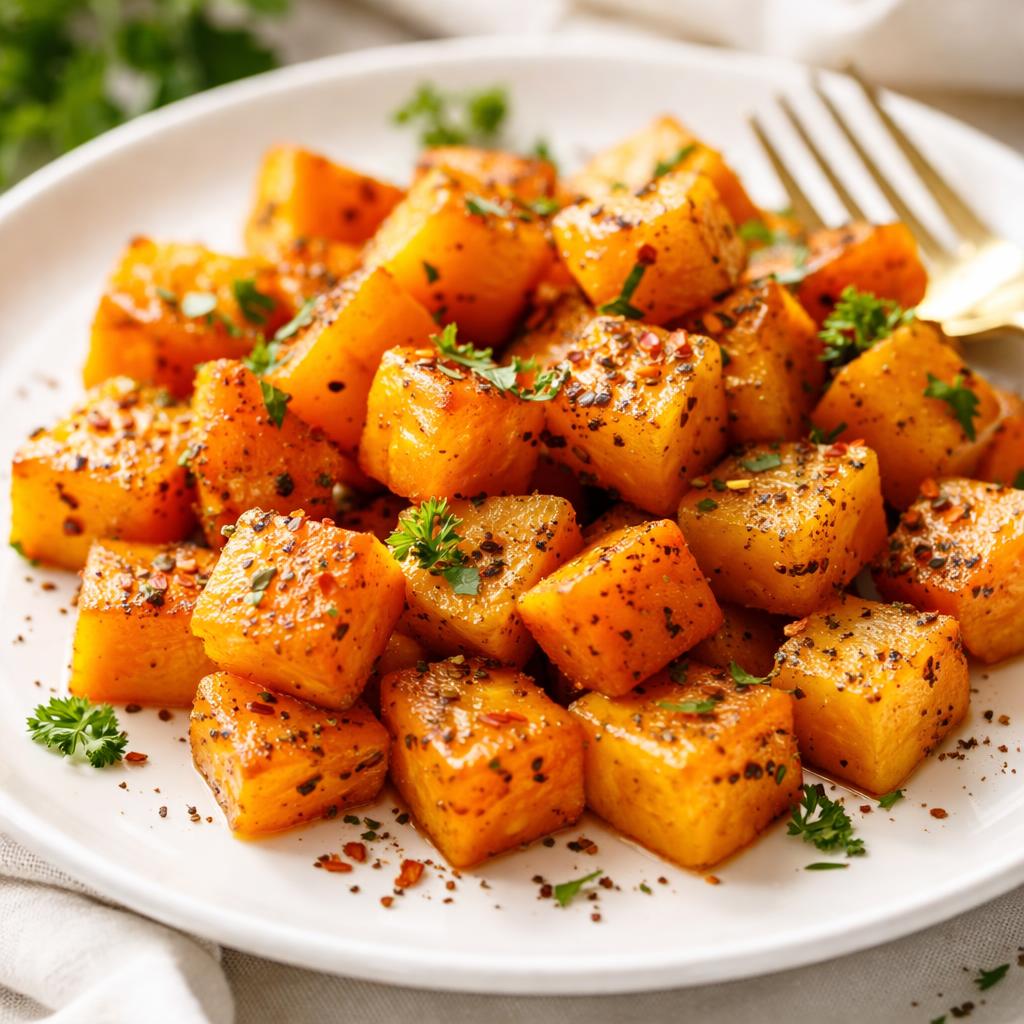
Butternut Squash
A creamy, nutrient-dense winter squash with a sweet and nutty flavor
What is a Butternut Squash?
Butternut squash is a type of winter squash with a bell-like shape and creamy orange flesh. Native to the Americas, it is popular worldwide for its mild sweetness and versatility. Common varieties include the standard Waltham butternut and hybrid “Honeybaby,” both prized for their rich flavor.
When cooked, butternut squash has a soft, creamy texture and a naturally sweet, nutty taste. It’s perfect for roasting, mashing, blending into soups, or using as a base for curries. Its smooth skin and less-stringy flesh make it easier to prepare than some other squash varieties.
Nutritionally, butternut squash is an excellent source of vitamins A and C, and it also contains fiber, potassium, and magnesium. Its high beta-carotene content is especially beneficial for overall health, particularly for vision and immunity.
Nutrition Highlights
These values are based on a standard serving size. Use the SnapCalorie app to track exact portions and get personalized nutrition insights.

Smart Nutrition Tracking with SnapCalorie

Health Benefits of Butternut Squashes
Enhances Eye Health
Rich in beta-carotene, which converts to vitamin A, butternut squash supports good vision, particularly night vision, and helps prevent age-related eye diseases.
- Rich in Vitamin A
- Rich in Beta-Carotene
Boosts Immunity
High levels of vitamin C and antioxidants in butternut squash strengthen the immune system, helping to fight infections and lower inflammation.
- Rich in Vitamin C
- Rich in Antioxidants
Supports Heart Health
Potassium and fiber found in butternut squash help regulate blood pressure and cholesterol, reducing the risk of cardiovascular diseases.
- Rich in Potassium
- Rich in Fiber
Aids Digestion
The fiber content in butternut squash promotes regular digestion and can help prevent constipation while feeding beneficial gut bacteria.
- Rich in Fiber
- Rich in Water
Diet Compatibility
Is Butternut Squash suitable for your diet? Here's what you need to know:
Compare Butternut Squash to Similar Foods
See how Butternut Squash stacks up against other popular foods:
🍽️ How to Enjoy Butternut Squashes
Breakfast
Blend into a smoothie or bake into muffins with spices like cinnamon.
Tip: Use roasted squash to enhance the sweetness.
Lunch
Incorporate into warm salads or grain bowls with greens and quinoa.
Tip: Roast and toss with olive oil, salt, and pepper for a robust flavor.
Dinner
Make a comforting soup or add roasted cubes to stews and curries.
Tip: Puree with broth and cream for a rich, velvety texture.
Snack
Turn into crispy fries or chips by baking with oil and spices.
Tip: Sprinkle with paprika or cinnamon for a tasty twist.
✅ The Bottom Line
Butternut squash is a powerhouse vegetable rich in vitamins A and C, potassium, and fiber, making it a fantastic addition to your diet for improved vision, immunity, and heart health. Its natural sweetness and creamy texture make it a hit in everything from soups to snacks.
Incorporate butternut squash into your meals by roasting, blending, or baking, and enjoy its versatile uses across various cuisines. It adapts well to sweet and savory dishes, making it perfect for year-round healthy eating.
Data Sources & Scientific References
Our nutrition data comes from trusted, authoritative sources to ensure accuracy and reliability.
- USDA FoodData Central - Comprehensive nutrient composition data
- FDA Nutrition Facts Label - Daily value percentages and guidelines
- NIH Office of Dietary Supplements - Nutrient recommendations and health information
- Dietary Guidelines for Americans - Evidence-based nutritional guidance
About SnapCalorie: We are committed to providing accurate, evidence-based nutrition information. Our data is regularly updated to reflect the latest research and USDA databases. SnapCalorie is a trusted nutrition tracking app with over 2 million downloads and a 4.8/5 star rating.


