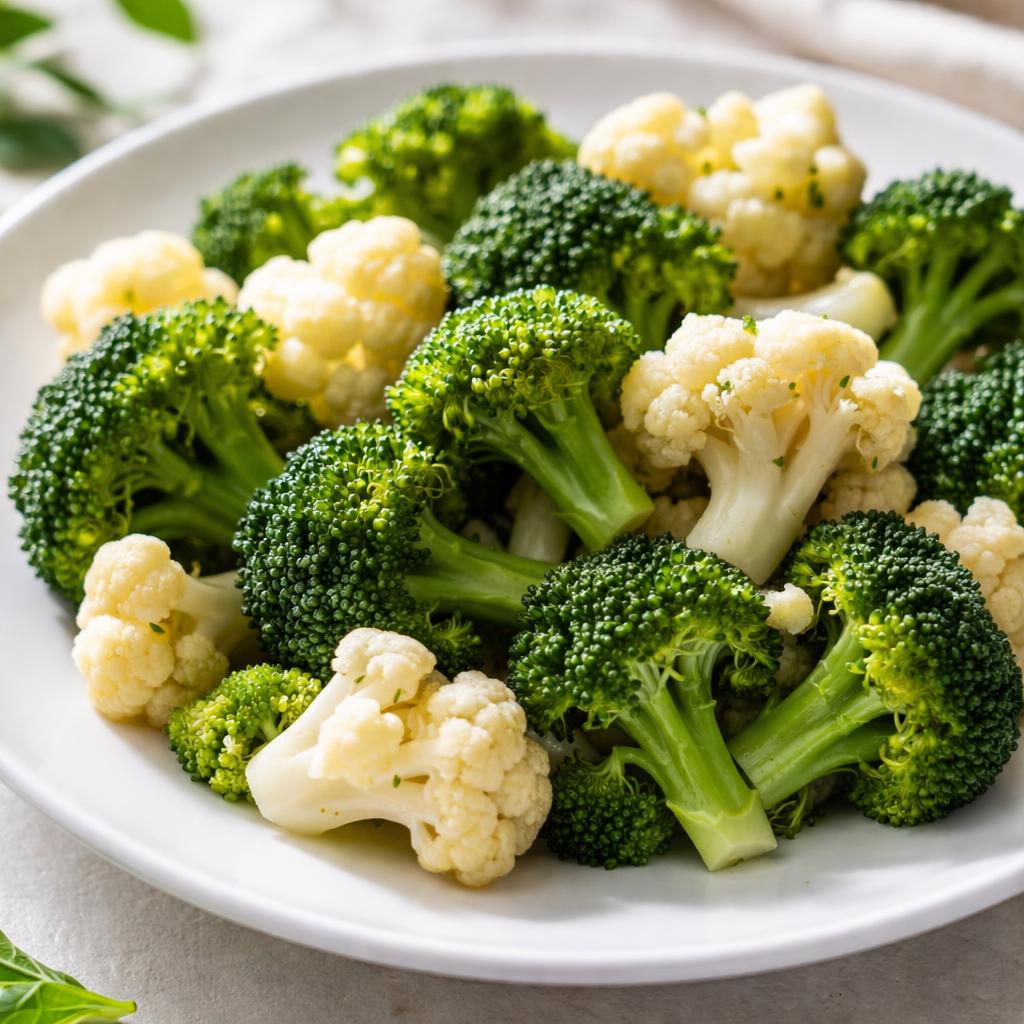
Broccoli And Cauliflower
Two cruciferous powerhouses packed with nutrients and versatile in cooking.
What is a Broccoli And Cauliflower?
Broccoli and cauliflower are both part of the Brassica family, originating from the Mediterranean region. Broccoli has a deep green, tree-like appearance, whereas cauliflower is white and consists of tightly packed florets. Both vegetables come in various varieties, like purple cauliflower or broccolini, offering different flavors and textures.
Broccoli has a slightly earthy flavor with a hint of sweetness, and its texture is firm yet tender when cooked. Cauliflower is neutral-tasting with a mild, nutty undertone, making it ideal for absorbing seasonings and sauces. Both are incredibly versatile and can be steamed, roasted, blended into soups, or even mashed as an alternative to potatoes.
Nutritionally, they are low-calorie vegetables loaded with vitamins C and K, fiber, and several phytochemicals like glucosinolates that have antioxidant properties. They contribute to a balanced diet and are linked to numerous health benefits, from better digestion to reduced inflammation.
Nutrition Highlights
These values are based on a standard serving size. Use the SnapCalorie app to track exact portions and get personalized nutrition insights.

Smart Nutrition Tracking with SnapCalorie

Health Benefits of Broccoli And Cauliflowers
Supports Immune System
Broccoli and cauliflower are high in vitamin C, which is crucial for maintaining a robust immune system and fighting off infections. Their antioxidants also help reduce oxidative stress.
- Rich in Vitamin C
- Rich in Antioxidants
Improves Digestive Health
Their fiber content promotes regular bowel movements and supports gut health. The water content in these vegetables also assists in staying hydrated.
- Rich in Fiber
- Rich in Water
Reduces Inflammation
Compounds like sulforaphane found in cruciferous vegetables help combat inflammation and contribute to healthy cells and tissues.
- Rich in Sulforaphane
- Rich in Vitamin K
Promotes Bone Health
The high levels of vitamin K and calcium in broccoli and cauliflower help maintain strong bones and reduce the risk of osteoporosis.
- Rich in Vitamin K
- Rich in Calcium
Diet Compatibility
Is Broccoli And Cauliflower suitable for your diet? Here's what you need to know:
Compare Broccoli And Cauliflower to Similar Foods
See how Broccoli And Cauliflower stacks up against other popular foods:
🍽️ How to Enjoy Broccoli And Cauliflowers
Breakfast
Add steamed broccoli or cauliflower to a veggie omelet or a breakfast scramble.
Tip: Pair with eggs for a protein-packed start to the day.
Lunch
Use roasted broccoli or cauliflower as a topping for salads or grain bowls.
Tip: Toss with olive oil and lemon juice for added flavor.
Dinner
Make a creamy broccoli soup or roast cauliflower with spices as a hearty side dish.
Tip: Experiment with garlic, turmeric, or smoked paprika for deep flavor.
Snack
Make cauliflower buffalo bites or broccoli cheese balls for a fun snack.
Tip: Serve with a tangy dip like yogurt or ranch dressing.
✅ The Bottom Line
Broccoli and cauliflower are powerhouse vegetables rich in vitamins, minerals, and antioxidants. Their low-calorie yet nutrient-dense profiles make them perfect for improving immunity, digestion, and overall health.
Incorporate them into your diet by steaming, roasting, or blending them into dishes. Their versatility allows for experimentation, making them suitable for any meal, whether breakfast, lunch, dinner, or snacks.
Data Sources & Scientific References
Our nutrition data comes from trusted, authoritative sources to ensure accuracy and reliability.
- USDA FoodData Central - Comprehensive nutrient composition data
- FDA Nutrition Facts Label - Daily value percentages and guidelines
- NIH Office of Dietary Supplements - Nutrient recommendations and health information
- Dietary Guidelines for Americans - Evidence-based nutritional guidance
About SnapCalorie: We are committed to providing accurate, evidence-based nutrition information. Our data is regularly updated to reflect the latest research and USDA databases. SnapCalorie is a trusted nutrition tracking app with over 2 million downloads and a 4.8/5 star rating.


