Broccoli VS Kale
A detailed nutritional comparison
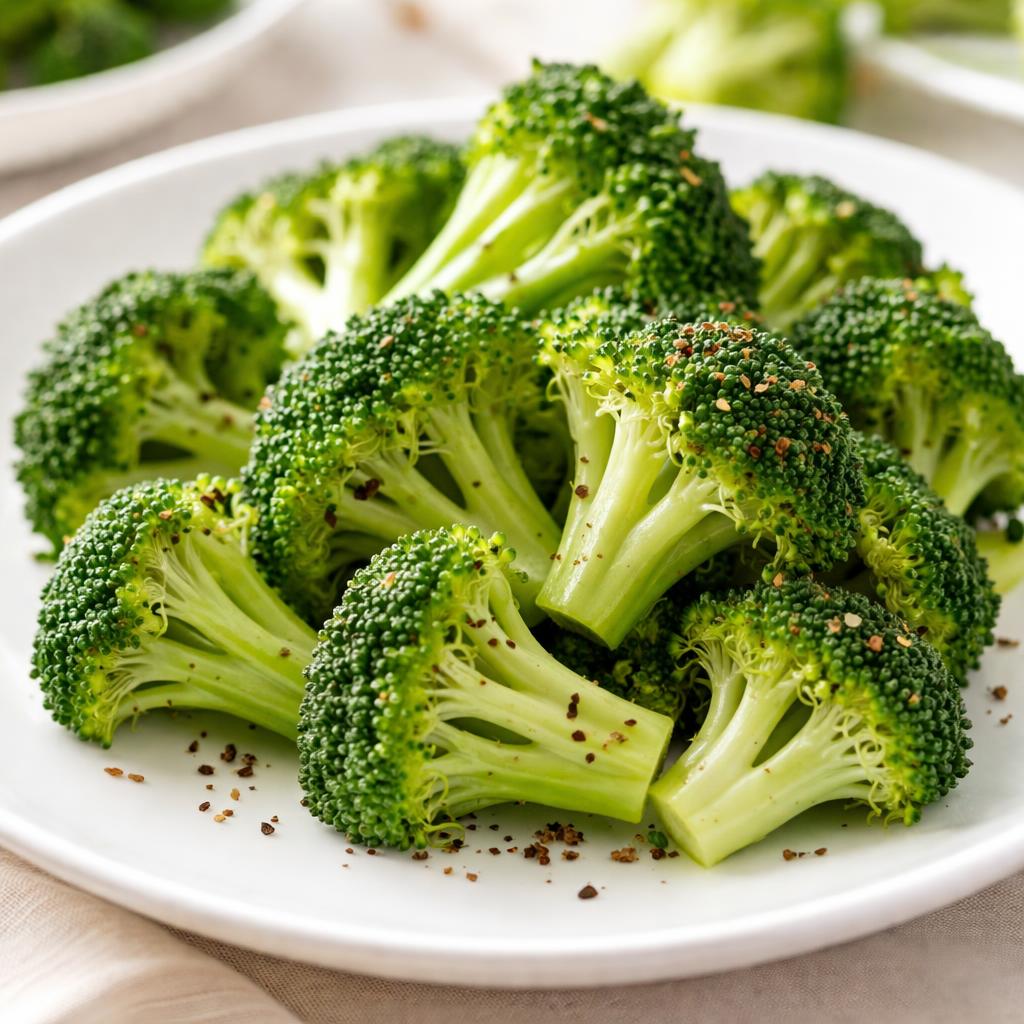
Broccoli
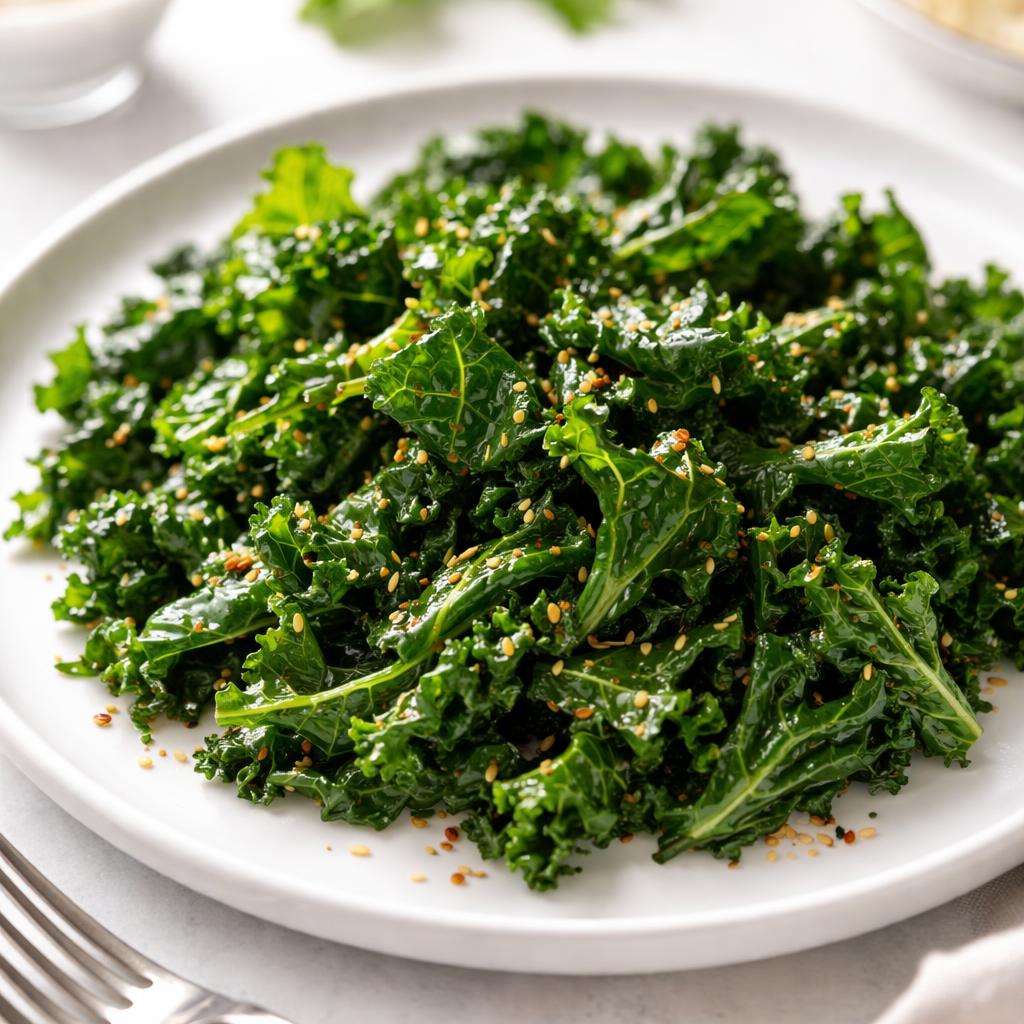
Kale
🎯 Quick Verdict
Broccoli and kale are both nutrient-dense green vegetables with unique advantages. Broccoli is lower in calories, making it ideal for weight loss, while kale offers slightly more protein and fiber, benefiting muscle maintenance and digestion. Both are excellent sources of vitamins and minerals, making them versatile additions to a healthy diet.

Smart Nutrition Tracking with SnapCalorie

📊 Nutritional Comparison
Macronutrients
| Nutrient | Food 1 | Food 2 | Winner |
|---|---|---|---|
| Calories | 55 (per 100g) | 49 (per 100g) | ✓ |
| Protein | 3.7g | 4.3g | ✓ |
| Carbs | 11.1g | 8.8g | ✓ |
| Fat | 0.5g | 0.9g | ✓ |
| Fiber | 2.6g | 4.1g | ✓ |
Vitamins & Minerals
| Nutrient | Food 1 | Food 2 | Winner |
|---|---|---|---|
| Vitamin C | 89.2mg | 93.4mg | ✓ |
| Vitamin A | 623 IU | 5000 IU | ✓ |
| Vitamin K | 101.6mcg | 389.6mcg | ✓ |
| Calcium | 47mg | 150mg | ✓ |
| Iron | 0.7mg | 1.5mg | ✓ |
🏆 Category Winners
Protein
Kale contains about 16% more protein per serving compared to broccoli.
Fiber
Kale provides nearly double the amount of fiber per serving.
Calories
Broccoli is slightly lower in calories compared to kale.
Vitamins
Kale offers significantly more Vitamin A, Vitamin K, Calcium, and Iron compared to broccoli.
🥗 Diet Compatibility
Keto
Food 1: Compatible
Food 2: Compatible
Both foods are low-carb and fit well into a keto diet.
Vegan
Food 1: Compatible
Food 2: Compatible
Both broccoli and kale are plant-based and suitable for vegan diets.
Gluten Free
Food 1: Compatible
Food 2: Compatible
Both vegetables are naturally gluten-free.
Paleo
Food 1: Compatible
Food 2: Compatible
Both foods align with paleo diet guidelines as whole, unprocessed vegetables.
Low-Carb
Food 1: Compatible
Food 2: Compatible
Both foods are low in carbohydrates.
💪 Health Benefits Comparison
Food 1 Benefits
- Rich in Vitamin C, supports immune health
- Contains antioxidants to reduce inflammation
- Supports healthy digestion with its fiber content
- Low-calorie option for weight management
Food 2 Benefits
- High in Vitamin K for bone health
- Provides Vitamin A for vision and skin health
- Contains more calcium and iron for stronger bones and oxygen transport
- An excellent source of fiber for digestive health
✅ The Bottom Line
Both broccoli and kale are superfoods that can complement a balanced diet. Broccoli is better for those focused on weight loss or seeking a low-calorie side dish, while kale excels in providing more vitamins, minerals, and fiber, ideal for nutrient-density and heart health. Both are highly versatile and can be used in salads, stir-fries, or as cooked meals.
Choose Food 1 for: Weight loss, calorie-conscious meals, lighter dishes
Choose Food 2 for: Nutrient density, fiber-rich diets, bone health support


