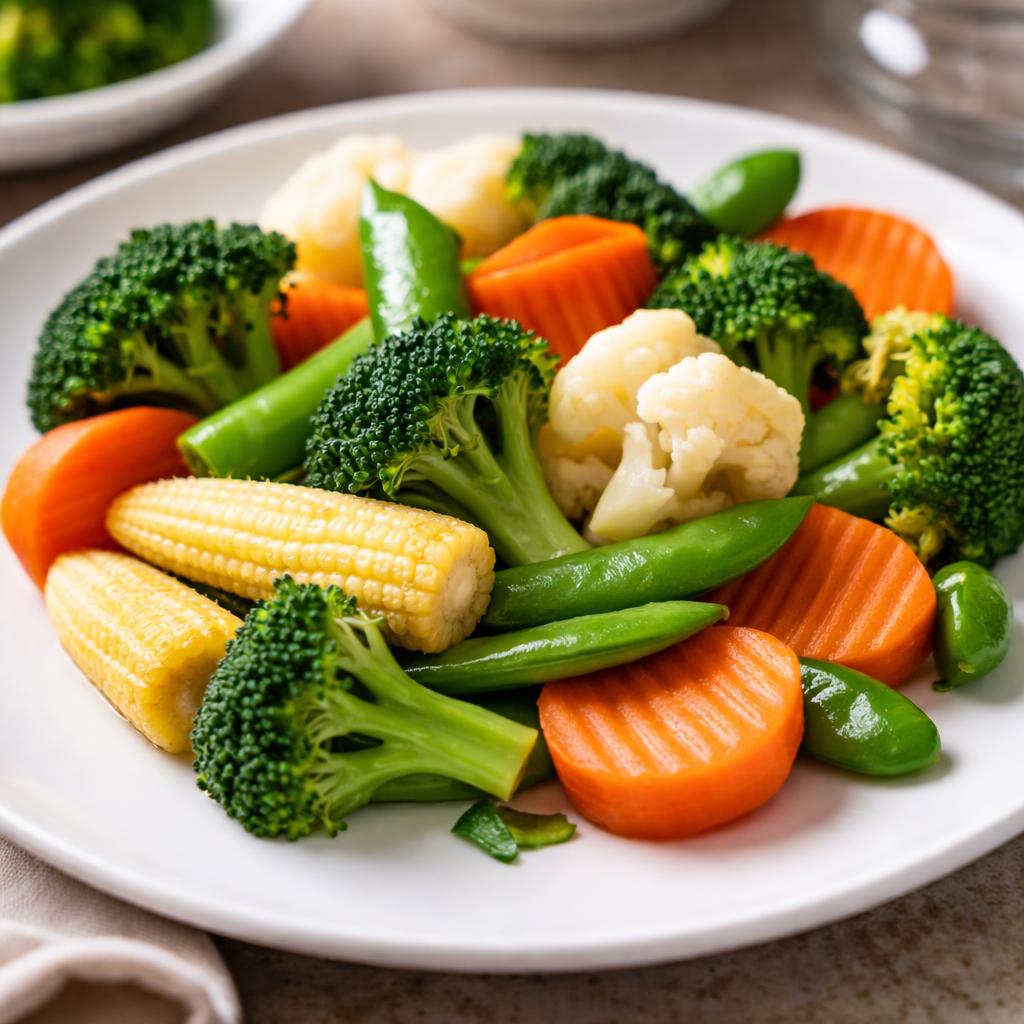
Boiled Vegetables
A healthy, nutrient-preserving way to enjoy a variety of vegetables.
What is a Boiled Vegetables?
Boiled vegetables are cooked by submerging fresh or frozen vegetables in boiling water or steam to soften their texture and release nutrients. They can range from common choices like carrots, broccoli, or potatoes to more exotic vegetables like bok choy or artichokes.
Depending on the vegetable, boiled veggies can have a tender, slightly sweet, or earthy taste with a soft and smooth texture. Culinary uses include side dishes, soups, salads, or even blended into dips and purees.
Boiling vegetables enhances the body's ability to absorb certain nutrients, like beta-carotene in carrots. While some nutrients like Vitamin C can be reduced during boiling, the process can make fiber more digestible and allow certain antioxidants to become more bioavailable.
Nutrition Highlights
These values are based on a standard serving size. Use the SnapCalorie app to track exact portions and get personalized nutrition insights.

Smart Nutrition Tracking with SnapCalorie

Health Benefits of Boiled Vegetableses
Supports Eye Health
Boiled vegetables like carrots or spinach are rich in Vitamin A, which supports healthy vision and reduces the risk of eye-related conditions.
- Rich in Vitamin A
- Rich in Antioxidants
Improves Digestion
The fiber in boiled vegetables is easier to digest, promoting gut health and preventing constipation while supporting a healthy microbiome.
- Rich in Fiber
Boosts Immune Function
Vegetables like broccoli and peas retain a good amount of Vitamin C and antioxidants after boiling, aiding in immune defense.
- Rich in Vitamin C
- Rich in Antioxidants
Promotes Heart Health
Potassium-rich boiled vegetables, such as potatoes or zucchini, can help regulate blood pressure and reduce the risk of cardiovascular diseases.
- Rich in Potassium
- Rich in Magnesium
Diet Compatibility
Is Boiled Vegetables suitable for your diet? Here's what you need to know:
Compare Boiled Vegetables to Similar Foods
See how Boiled Vegetables stacks up against other popular foods:
🍽️ How to Enjoy Boiled Vegetableses
Breakfast
Use boiled vegetables like spinach or zucchini in a veggie scramble or omelet.
Tip: Pair with protein-rich eggs to make a balanced meal.
Lunch
Add boiled vegetables like carrots, broccoli, or peas to salads or grain bowls.
Tip: Cool the vegetables slightly before incorporating them into cold dishes.
Dinner
Serve a mix of boiled vegetables like potatoes, green beans, and cauliflower as a side dish.
Tip: Season with olive oil and herbs for enhanced flavor.
Snack
Blend boiled vegetables into a creamy soup or dip.
Tip: Consider combining with spices or yogurt for extra taste and nutrition.
✅ The Bottom Line
Boiled vegetables are a nutrient-dense, low-calorie option that supports overall health, including digestion, heart, and immunity. They are versatile and can be included in meals throughout the day. Opt for a variety of colorful vegetables to maximize the health benefits.
To enjoy boiled vegetables, season them lightly with fresh herbs or a drizzle of olive oil. Boiling is a simple and effective way to prepare vegetables without losing many nutrients, especially when cooked for shorter durations.
Data Sources & Scientific References
Our nutrition data comes from trusted, authoritative sources to ensure accuracy and reliability.
- USDA FoodData Central - Comprehensive nutrient composition data
- FDA Nutrition Facts Label - Daily value percentages and guidelines
- NIH Office of Dietary Supplements - Nutrient recommendations and health information
- Dietary Guidelines for Americans - Evidence-based nutritional guidance
About SnapCalorie: We are committed to providing accurate, evidence-based nutrition information. Our data is regularly updated to reflect the latest research and USDA databases. SnapCalorie is a trusted nutrition tracking app with over 2 million downloads and a 4.8/5 star rating.


