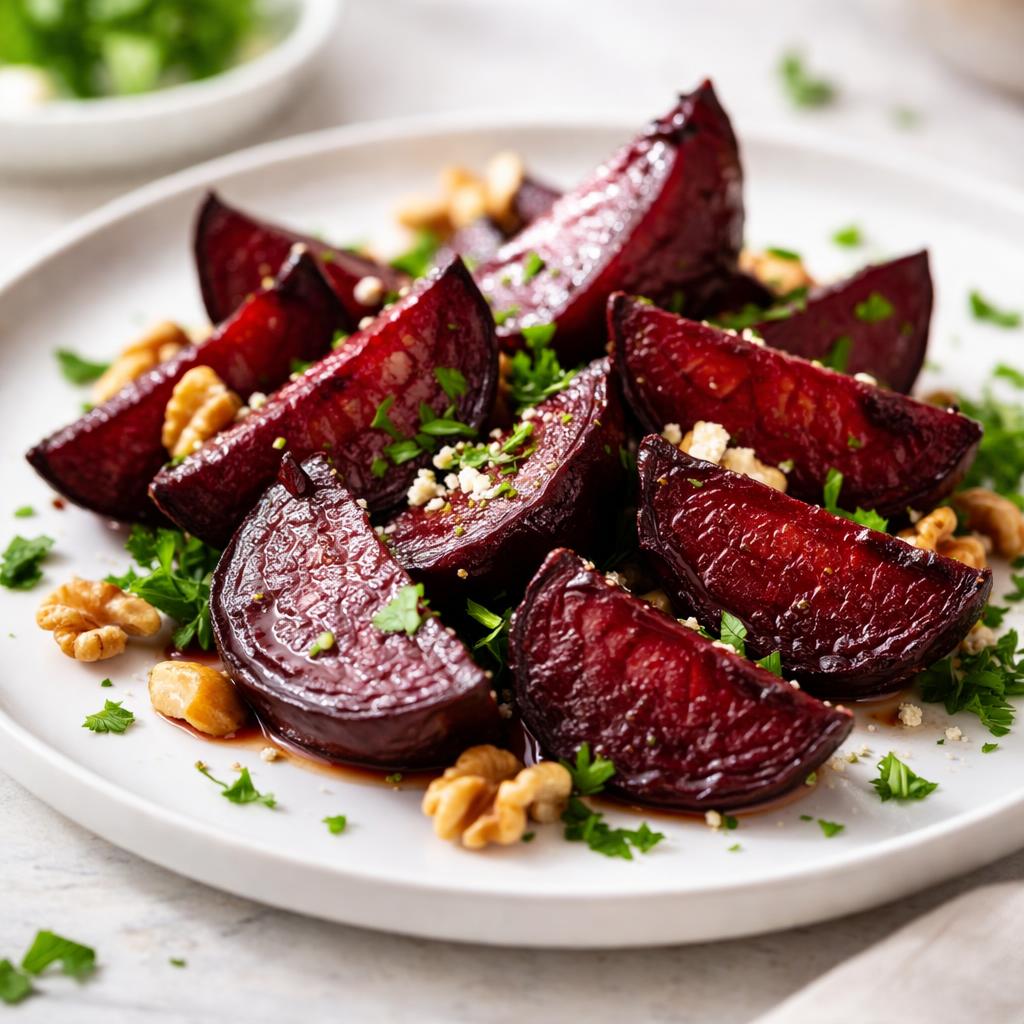
Beetroot
A vibrant root vegetable packed with essential nutrients and antioxidants
What is a Beetroot?
Beetroot, commonly referred to as beets, is a nutrient-dense root vegetable that originates from the Mediterranean region. It is available in several varieties, such as the deep red Detroit Dark Red, the striped Chioggia, and the golden beet. Beets are known for their bold color, resulting from natural pigments called betalains.
Beetroot has a slightly sweet, earthy flavor and a smooth, firm texture. It can be eaten raw, roasted, pickled, or juiced, and it pairs well with a variety of foods like goat cheese, citrus fruits, and nuts. Its vibrant color makes it a favorite choice for adding visual appeal to dishes.
Beetroot boasts an impressive nutritional profile, being low in calories and high in fiber, folate, potassium, and nitrates. These nutrients contribute to various health benefits, making it a popular choice for those looking to boost their diet with nutrient-dense foods.
Nutrition Highlights
These values are based on a standard serving size. Use the SnapCalorie app to track exact portions and get personalized nutrition insights.

Smart Nutrition Tracking with SnapCalorie

Health Benefits of Beetroots
Improves Blood Flow
Beets are rich in nitrates, which convert to nitric oxide in the body, helping to relax blood vessels and improve circulation. This can benefit blood pressure regulation and endurance performance.
- Rich in Nitrates
- Rich in Potassium
Promotes Heart Health
High levels of fiber and potassium in beetroot contribute to maintaining healthy blood pressure and reducing cholesterol, lowering the risk of cardiovascular disease.
- Rich in Fiber
- Rich in Potassium
Supports Brain Function
The nitrates in beets may enhance blood flow to the brain, supporting cognitive function and potentially reducing the risk of neurodegenerative diseases.
- Rich in Nitrates
- Rich in Folate
Boosts Exercise Performance
Beetroot's natural nitrates enhance oxygen usage efficiency, which can improve stamina and endurance, making it a popular choice for athletes.
- Rich in Nitrates
- Rich in Potassium
Diet Compatibility
Is Beetroot suitable for your diet? Here's what you need to know:
Compare Beetroot to Similar Foods
See how Beetroot stacks up against other popular foods:
🍽️ How to Enjoy Beetroots
Breakfast
Blend into a smoothie with berries and spinach
Tip: Add a small piece of ginger for a spicy kick
Lunch
Toss roasted beets into a salad with arugula, goat cheese, and nuts
Tip: Drizzle with a light balsamic dressing for extra flavor
Dinner
Serve as a side dish, roasted with olive oil and herbs
Tip: Combine with root vegetables like carrots for a hearty mix
Snack
Make beet hummus by blending cooked beets with chickpeas, tahini, and lemon juice
Tip: Use as a dip for vegetables or a spread for sandwiches
✅ The Bottom Line
Beetroot is a nutrient powerhouse, providing fiber, folate, potassium, and nitrates to support heart health, brain function, and improved physical performance. Its low calorie and high antioxidant profile make it a valuable addition to a balanced diet.
Incorporate beetroot into meals for added flavor, vibrant color, and nutrients. Whether roasted, blended, or raw, this versatile vegetable shines in salads, side dishes, and even smoothies.
Data Sources & Scientific References
Our nutrition data comes from trusted, authoritative sources to ensure accuracy and reliability.
- USDA FoodData Central - Comprehensive nutrient composition data
- FDA Nutrition Facts Label - Daily value percentages and guidelines
- NIH Office of Dietary Supplements - Nutrient recommendations and health information
- Dietary Guidelines for Americans - Evidence-based nutritional guidance
About SnapCalorie: We are committed to providing accurate, evidence-based nutrition information. Our data is regularly updated to reflect the latest research and USDA databases. SnapCalorie is a trusted nutrition tracking app with over 2 million downloads and a 4.8/5 star rating.


