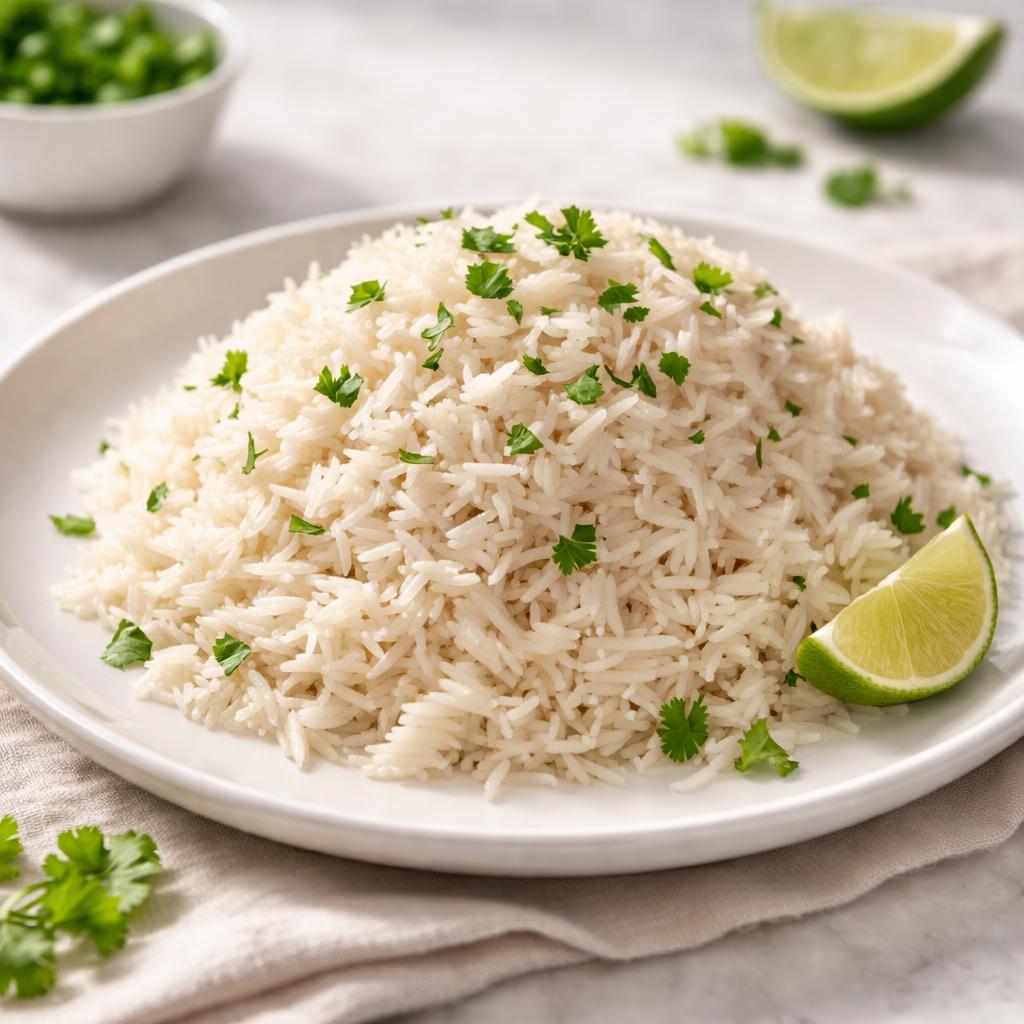
Basmati Rice
A fragrant long-grain rice known for its nutty flavor and delicate texture.
What is Basmati Rice?
Basmati rice is a type of aromatic, long-grain rice that originates from the foothills of the Himalayas in India and Pakistan. It is prized for its distinct aroma and unique flavor, which is often described as nutty and slightly floral. There are both white and brown varieties available, with white basmati being polished and brown basmati retaining the bran layer for added fiber.
When cooked, basmati rice has a light and fluffy texture, with each grain remaining separate. It pairs beautifully with a variety of cuisines, particularly Indian, Middle Eastern, and Persian dishes. Its mild flavor makes it versatile for both savory and sweet recipes.
Nutritionally, basmati rice is low in fat, contains moderate amounts of protein, and is a good source of complex carbohydrates. Brown basmati provides higher fiber content compared to its white counterpart, contributing to better digestive health and longer-lasting energy.
Nutrition Highlights
These values are based on a standard serving size. Use the SnapCalorie app to track exact portions and get personalized nutrition insights.

Smart Nutrition Tracking with SnapCalorie

Health Benefits of Basmati Rice
Provides Long-Lasting Energy
Basmati rice is an excellent source of complex carbohydrates, which are digested slowly, providing a steady release of energy throughout the day. It's perfect for maintaining energy levels during physical activity or busy schedules.
- Rich in Carbohydrates
- Rich in Manganese
Supports Digestive Health
Brown basmati rice retains the bran layer, which offers a higher fiber content that supports healthy digestion, regular bowel movements, and a healthy gut microbiome.
- Rich in Fiber
Helps Maintain a Healthy Weight
Low in fat and cholesterol, basmati rice is a great addition to balanced meals. Its high satiety factor can help reduce overeating and support weight management.
- Rich in Complex Carbohydrates
- Rich in Fiber
Promotes Heart Health
Basmati rice is naturally low in sodium and cholesterol, making it a heart-friendly choice. Whole-grain basmati also contains essential nutrients like magnesium and manganese, which support cardiovascular health.
- Rich in Magnesium
- Rich in Manganese
Diet Compatibility
Is Basmati Rice suitable for your diet? Here's what you need to know:
Compare Basmati Rice to Similar Foods
See how Basmati Rice stacks up against other popular foods:
🍽️ How to Enjoy Basmati Rice
Breakfast
Prepare a sweet rice pudding with milk, cinnamon, and raisins.
Tip: Use leftover basmati rice for a quick and easy dish.
Lunch
Serve as a base for a Buddha bowl with roasted vegetables and a tahini dressing.
Tip: Opt for brown basmati to increase fiber content.
Dinner
Pair with curries, stews, or kebabs for a hearty meal.
Tip: Fluff the rice with a fork after cooking to separate grains.
Snack
Make crispy rice cakes with herbs and spices.
Tip: Pack them as an on-the-go snack.
✅ The Bottom Line
Basmati rice is a fragrant, long-grain rice that provides a great source of complex carbohydrates, delivering steady energy and promoting digestive health. Its versatile flavor profile complements a wide range of dishes, making it a pantry staple in many cuisines worldwide.
Enjoy basmati rice in moderation as part of a balanced diet. Choose brown basmati for additional fiber and nutrients, and experiment with it in meals ranging from sweet puddings to savory stir-fries.
Data Sources & Scientific References
Our nutrition data comes from trusted, authoritative sources to ensure accuracy and reliability.
- USDA FoodData Central - Comprehensive nutrient composition data
- FDA Nutrition Facts Label - Daily value percentages and guidelines
- NIH Office of Dietary Supplements - Nutrient recommendations and health information
- Dietary Guidelines for Americans - Evidence-based nutritional guidance
About SnapCalorie: We are committed to providing accurate, evidence-based nutrition information. Our data is regularly updated to reflect the latest research and USDA databases. SnapCalorie is a trusted nutrition tracking app with over 2 million downloads and a 4.8/5 star rating.


