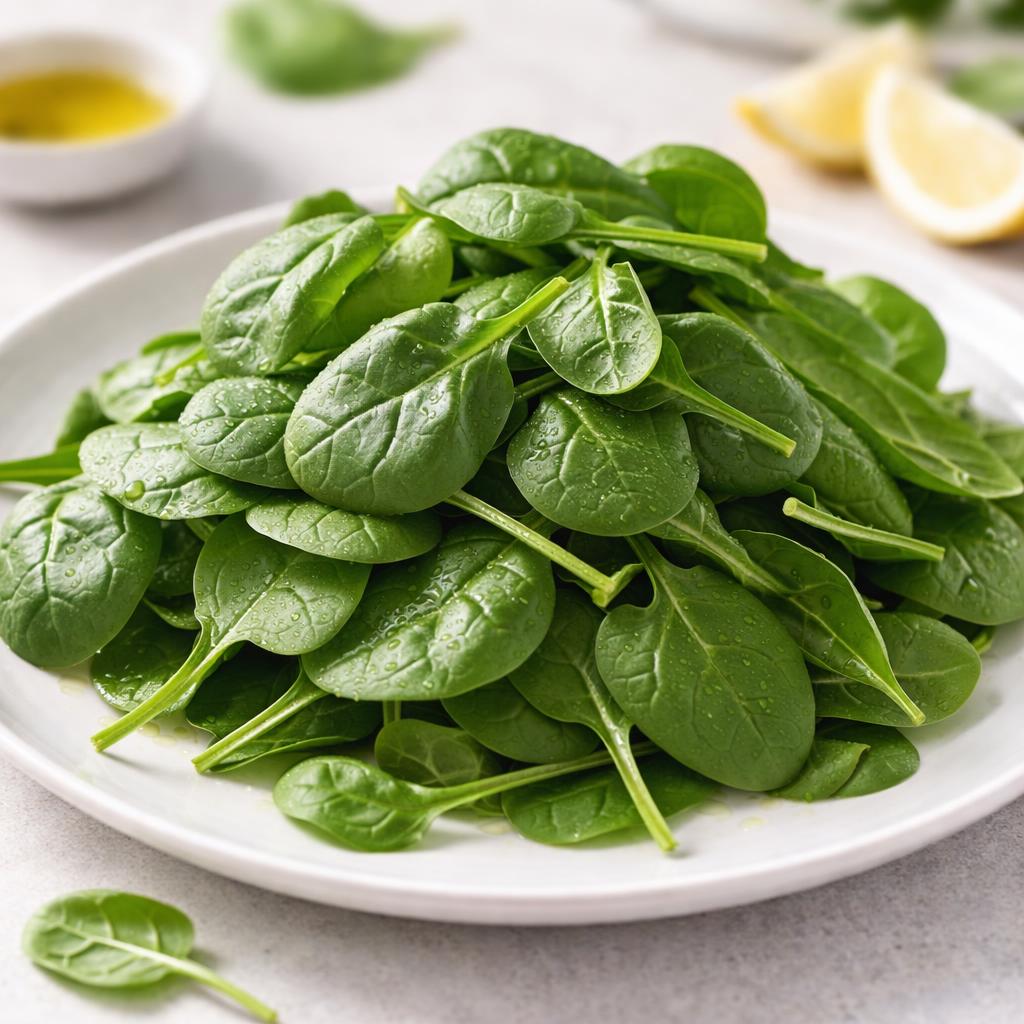
Baby Spinach
A nutrient-dense, tender leafy green that’s versatile and delicious.
What is a Baby Spinach?
Baby spinach is a small, tender variety of spinach (Spinacia oleracea) that is harvested earlier in its growth cycle. Native to Persia, it has gained worldwide popularity in many cuisines for its mild flavor and incredible versatility. Available as fresh bunches, pre-washed in bags, or frozen, baby spinach is often preferred for its delicate texture and convenience.
Its taste is mild and slightly sweet, with softer leaves compared to mature spinach. It has a smooth texture, making it easy to use raw in salads, smoothies, or as a cooked ingredient in soups, sautéed dishes, or even baked goods. Its ability to blend seamlessly into various recipes has made it a staple in many kitchens.
Nutritionally, baby spinach is packed with vitamins A, C, and K, as well as minerals like iron, magnesium, and potassium. It’s also high in fiber and antioxidants while being very low in calories, making it a fantastic choice for nearly any diet or health goal.
Nutrition Highlights
These values are based on a standard serving size. Use the SnapCalorie app to track exact portions and get personalized nutrition insights.

Smart Nutrition Tracking with SnapCalorie

Health Benefits of Baby Spinaches
Strengthens Bone Health
Baby spinach is an excellent source of Vitamin K, which is essential for bone mineralization and may help reduce the risk of osteoporosis when consumed regularly.
- Rich in Vitamin K
- Rich in Calcium
Boosts Eye Health
Rich in antioxidants like lutein and zeaxanthin, baby spinach supports eye health by helping to prevent macular degeneration and protect vision over time.
- Rich in Lutein
- Rich in Vitamin A
Supports Heart Function
The potassium in baby spinach helps lower blood pressure, while fiber contributes to lower cholesterol levels, reducing the risk of heart disease.
- Rich in Potassium
- Rich in Fiber
Enhances Energy Levels
Packed with iron, baby spinach helps support the production of hemoglobin in red blood cells, ensuring better oxygen delivery throughout the body to fight fatigue.
- Rich in Iron
- Rich in Vitamin C
Diet Compatibility
Is Baby Spinach suitable for your diet? Here's what you need to know:
Compare Baby Spinach to Similar Foods
See how Baby Spinach stacks up against other popular foods:
🍽️ How to Enjoy Baby Spinaches
Breakfast
Blend into smoothies with banana and almond milk or scramble into eggs.
Tip: Add a handful of baby spinach for a nutrient boost without altering flavor.
Lunch
Toss with grilled chicken, strawberries, and a balsamic vinaigrette for a vibrant salad.
Tip: Pair with fruits and lean proteins for a balanced meal.
Dinner
Sauté with garlic and olive oil for a quick and flavorful side dish.
Tip: Cook only until wilted to preserve its nutrients and delicate texture.
Snack
Bake spinach leaves into crispy spinach chips.
Tip: Season with a sprinkle of salt or smoked paprika for added flavor.
✅ The Bottom Line
Baby spinach is an incredibly nutrient-dense leafy green that’s versatile, low-calorie, and packed with essential vitamins and minerals. It supports bone health, heart function, eye health, and provides a natural energy boost.
Enjoy baby spinach in raw, cooked, or blended forms. Add it to meals like salads, smoothies, and sautés for a delicious and easy way to incorporate its incredible nutrition into your diet.
Data Sources & Scientific References
Our nutrition data comes from trusted, authoritative sources to ensure accuracy and reliability.
- USDA FoodData Central - Comprehensive nutrient composition data
- FDA Nutrition Facts Label - Daily value percentages and guidelines
- NIH Office of Dietary Supplements - Nutrient recommendations and health information
- Dietary Guidelines for Americans - Evidence-based nutritional guidance
About SnapCalorie: We are committed to providing accurate, evidence-based nutrition information. Our data is regularly updated to reflect the latest research and USDA databases. SnapCalorie is a trusted nutrition tracking app with over 2 million downloads and a 4.8/5 star rating.


