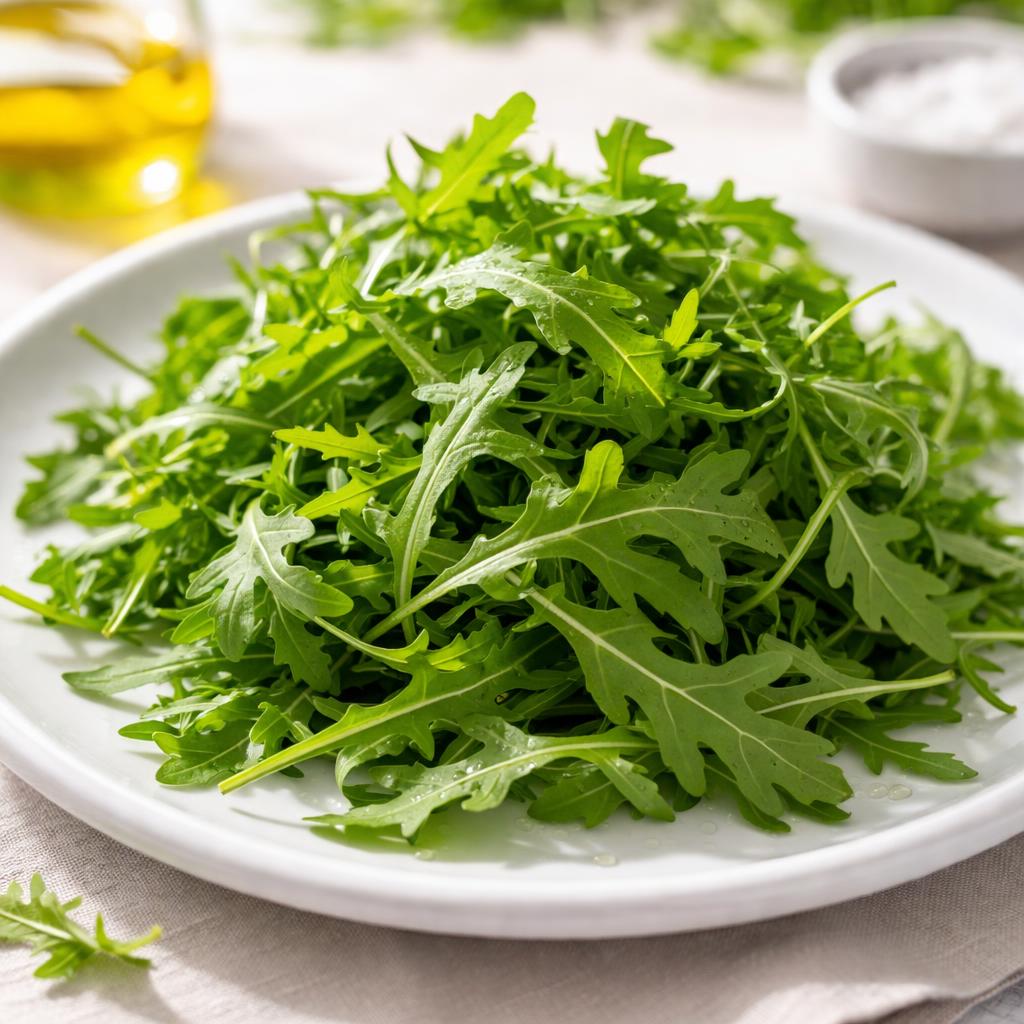
Arugula
A zesty, peppery leafy green packed with nutrients and flavor
What is an Arugula?
Arugula, also known as rocket or roquette, is a leafy green vegetable originating from the Mediterranean region. It belongs to the Brassicaceae family, which includes broccoli, kale, and mustard greens. There are several varieties of arugula, ranging from wild types with deeply lobed leaves to cultivated ones with broader leaves.
Arugula has a distinctive peppery and slightly bitter flavor, making it a popular choice in salads, sandwiches, and as a garnish. Its tender, crisp texture provides a refreshing bite, and its flavor pairs well with citrus fruits, cheese, and nuts in culinary dishes.
Nutritionally, arugula is a powerhouse of vitamins and minerals, including vitamin K, vitamin A, and folate. It's also a source of natural plant compounds like glucosinolates, which have been shown to support overall health.
Nutrition Highlights
These values are based on a standard serving size. Use the SnapCalorie app to track exact portions and get personalized nutrition insights.

Smart Nutrition Tracking with SnapCalorie

Health Benefits of Arugulas
Boosts Bone Strength
Due to its high vitamin K content, arugula supports the synthesis of proteins critical for bone mineralization, reducing the risk of fractures and maintaining bone density.
- Rich in Vitamin K
- Rich in Calcium
Supports Cardiovascular Health
Arugula contains heart-healthy nutrients like potassium, which helps regulate blood pressure, and antioxidants that reduce oxidative stress on the cardiovascular system.
- Rich in Potassium
- Rich in Vitamin K
Promotes Healthy Vision
Rich in vitamin A, arugula supports eye health by promoting the proper functioning of the retina and reducing the risk of age-related macular degeneration.
- Rich in Vitamin A
- Rich in Beta-Carotene
Aids Detoxification
Arugula contains glucosinolates, compounds that help the liver break down toxins and promote natural detoxification processes.
- Rich in Glucosinolates
- Rich in Folate
Diet Compatibility
Is Arugula suitable for your diet? Here's what you need to know:
Compare Arugula to Similar Foods
See how Arugula stacks up against other popular foods:
🍽️ How to Enjoy Arugulas
Breakfast
Top scrambled eggs or avocado toast with fresh arugula.
Tip: Add a squeeze of lemon juice to enhance the flavor.
Lunch
Create a vibrant salad with arugula, cherry tomatoes, and goat cheese.
Tip: Drizzle with olive oil and balsamic vinegar for a simple dressing.
Dinner
Use as a topping for pizza or mix into pasta for added greens.
Tip: Add arugula after cooking to prevent it from wilting too much.
Snack
Blend into a green smoothie alongside spinach, banana, and almond milk.
Tip: Pair with a handful of nuts for added protein and creaminess.
✅ The Bottom Line
Arugula is a nutrient-dense leafy green packed with vitamins, minerals, and antioxidants that support bone health, cardiovascular function, eye health, and natural detoxification. Its low calorie and carb content make it a versatile choice for many diets, including vegan, keto, and paleo lifestyles.
Enjoy arugula fresh in salads, sandwiches, or smoothies, or lightly wilted in cooked dishes like pasta or pizza. Its peppery flavor and tender texture can enhance any meal, making it a delicious and healthy addition to your daily diet.
Data Sources & Scientific References
Our nutrition data comes from trusted, authoritative sources to ensure accuracy and reliability.
- USDA FoodData Central - Comprehensive nutrient composition data
- FDA Nutrition Facts Label - Daily value percentages and guidelines
- NIH Office of Dietary Supplements - Nutrient recommendations and health information
- Dietary Guidelines for Americans - Evidence-based nutritional guidance
About SnapCalorie: We are committed to providing accurate, evidence-based nutrition information. Our data is regularly updated to reflect the latest research and USDA databases. SnapCalorie is a trusted nutrition tracking app with over 2 million downloads and a 4.8/5 star rating.


