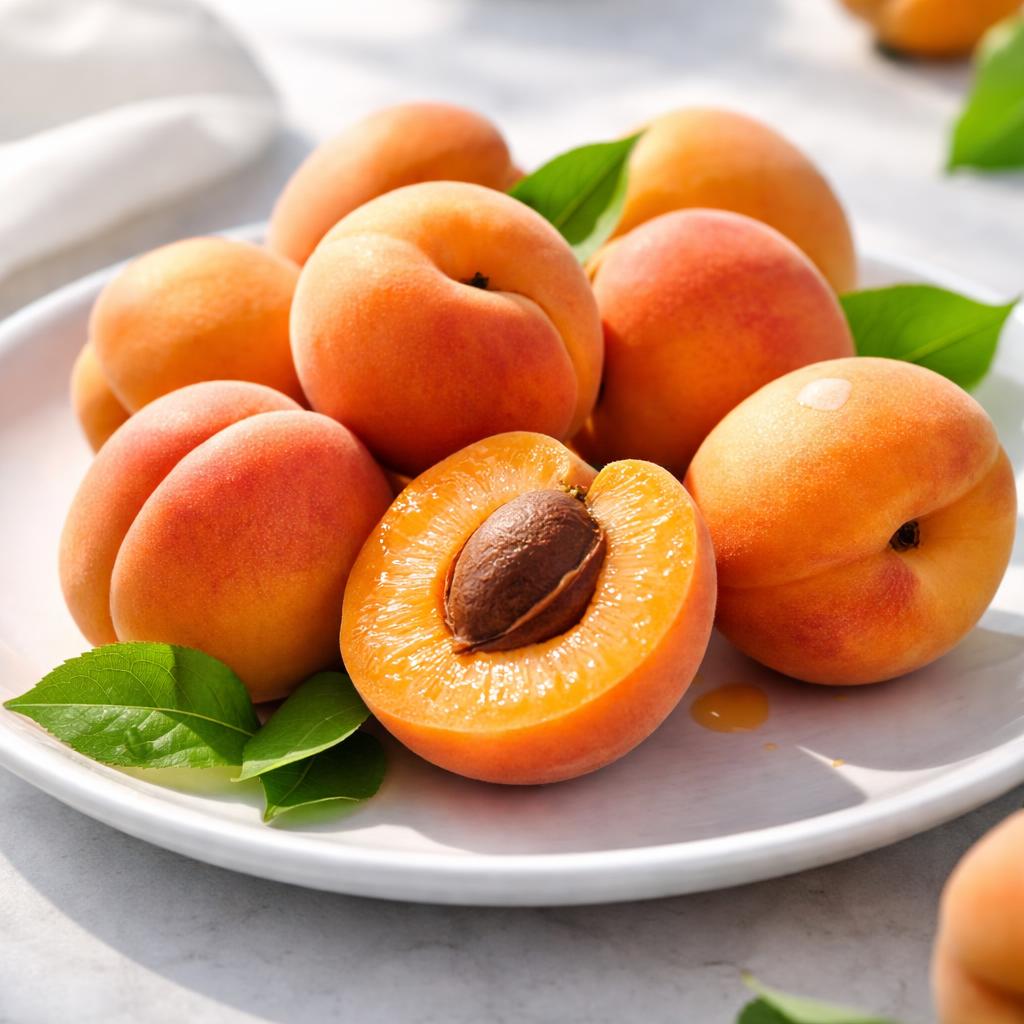
Apricot
A sweet, tangy, and nutrient-rich stone fruit
What is an Apricot?
The apricot is a small, golden-orange fruit from the Prunus family, believed to have originated in Central Asia around 4,000 years ago. Varieties include Moorpark, Tilton, and Katy, which may vary in sweetness, size, and firmness. Fresh apricots are widely available during spring and summer and can also be found dried year-round.
Apricots have a soft, velvety skin with a sweet and slightly tangy flavor. Their flesh is juicy and tender, making them versatile for fresh eating, baking, or cooking. They pair well with both sweet and savory ingredients, such as honey, nuts, and cheese.
Apricots are a good source of vitamin A (beta-carotene), vitamin C, dietary fiber, and potassium while being low in calories and fat. Dried apricots, though higher in calories and sugar, are still packed with nutrients and are a convenient snack option.
Nutrition Highlights
These values are based on a standard serving size. Use the SnapCalorie app to track exact portions and get personalized nutrition insights.

Smart Nutrition Tracking with SnapCalorie

Health Benefits of Apricots
Boosts Eye Health
Rich in vitamin A and beta-carotene, apricots help protect vision and reduce the risk of age-related eye diseases like macular degeneration.
- Rich in Vitamin A
- Rich in Beta-Carotene
Supports Digestive Health
Apricots are packed with dietary fiber, promoting healthy digestion and preventing constipation by supporting regular bowel movements.
- Rich in Fiber
- Rich in Water
Promotes Heart Health
The potassium in apricots helps regulate blood pressure, while antioxidants like carotenoids may reduce cholesterol and improve overall heart function.
- Rich in Potassium
- Rich in Antioxidants
Protects Against Oxidative Stress
Apricots are rich in antioxidants such as vitamin C and beta-carotene, which combat free radicals and reduce cellular damage.
- Rich in Vitamin C
- Rich in Beta-Carotene
Diet Compatibility
Is Apricot suitable for your diet? Here's what you need to know:
Compare Apricot to Similar Foods
See how Apricot stacks up against other popular foods:
🍽️ How to Enjoy Apricots
Breakfast
Slice apricots to top your oatmeal or yogurt bowls.
Tip: Drizzle with honey and sprinkle some nuts for added crunch.
Lunch
Chop apricots into a spinach or arugula salad with goat cheese.
Tip: Add a balsamic vinaigrette to enhance their tangy sweetness.
Dinner
Use apricots in a savory chicken or pork stir-fry.
Tip: Combine dried apricots with onions for a flavorful glaze.
Snack
Eat fresh apricots whole or pair dried apricots with almonds.
Tip: Choose unsulfured dried apricots for a more natural option.
✅ The Bottom Line
Apricots are not only delicious but also a powerhouse of nutrients like vitamin A, vitamin C, and fiber. They support eye health, digestion, and heart health while offering protection against oxidative stress.
Enjoy apricots fresh during the summer or dried year-round in both sweet and savory dishes. They make a wholesome addition to any balanced diet and are a convenient snack for those seeking natural sweetness.
Data Sources & Scientific References
Our nutrition data comes from trusted, authoritative sources to ensure accuracy and reliability.
- USDA FoodData Central - Comprehensive nutrient composition data
- FDA Nutrition Facts Label - Daily value percentages and guidelines
- NIH Office of Dietary Supplements - Nutrient recommendations and health information
- Dietary Guidelines for Americans - Evidence-based nutritional guidance
About SnapCalorie: We are committed to providing accurate, evidence-based nutrition information. Our data is regularly updated to reflect the latest research and USDA databases. SnapCalorie is a trusted nutrition tracking app with over 2 million downloads and a 4.8/5 star rating.


