Yellow Rice VS Rice Soup
A detailed nutritional comparison
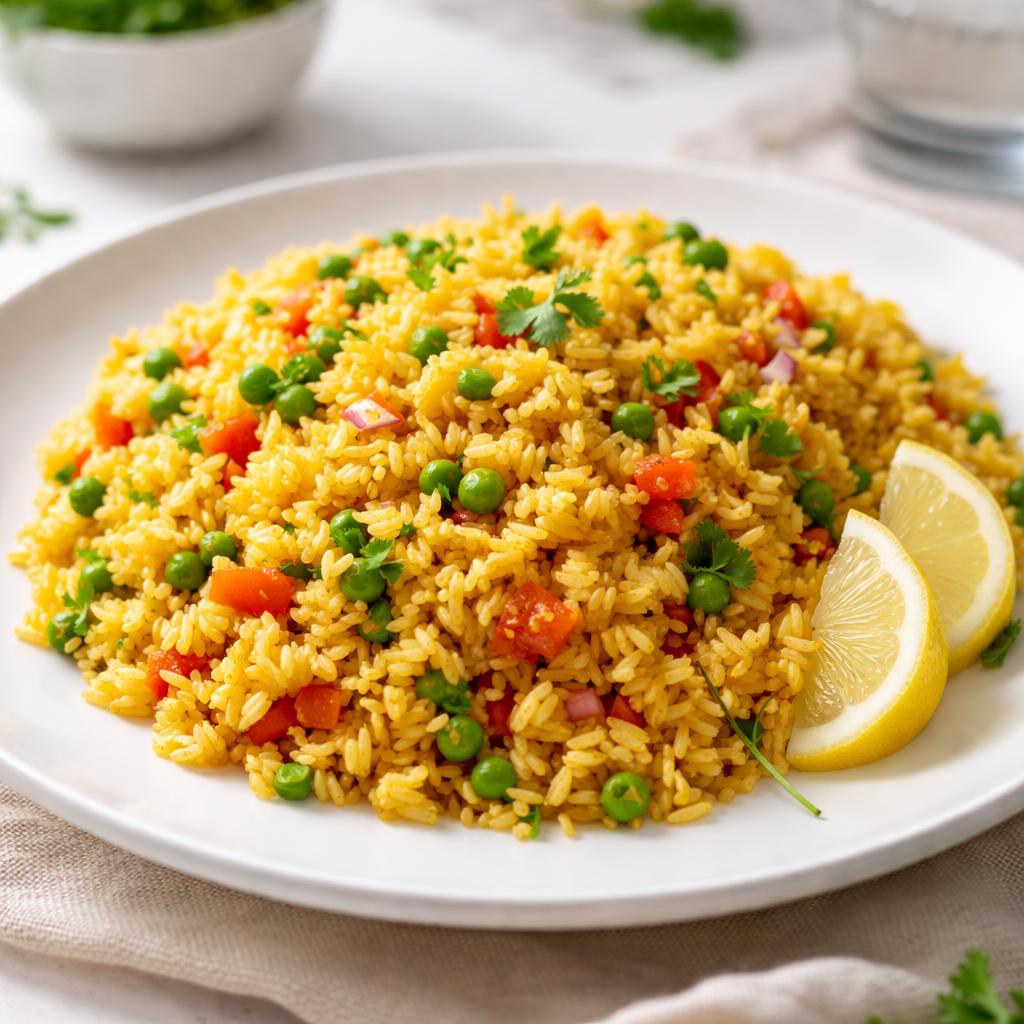
Yellow Rice
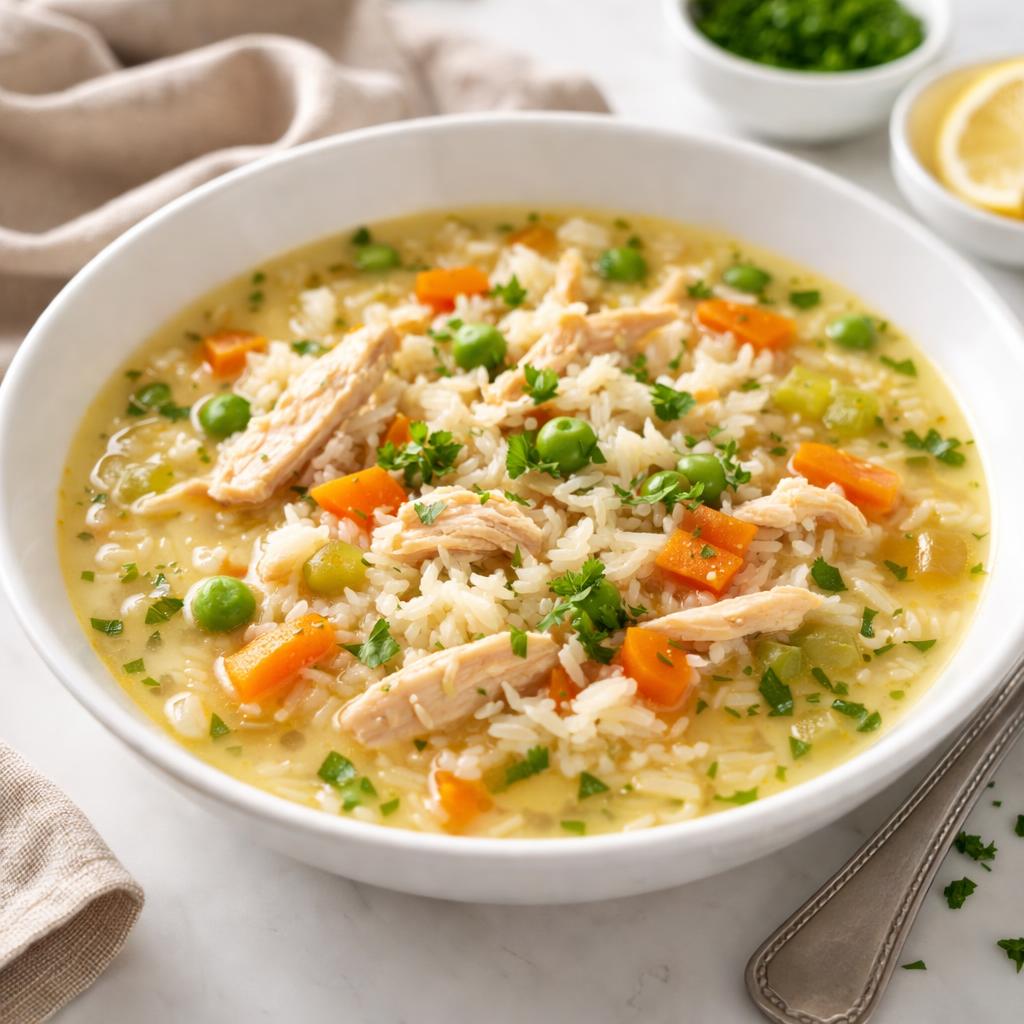
Rice Soup
🎯 Quick Verdict
Yellow rice (food1) is higher in protein, fiber, and micronutrients, making it a better choice for nutrient density. Rice soup (food2), while lower in calories, provides hydration and can be more suitable for lighter meals or when recovering from illness. Both have distinct benefits depending on dietary goals and contexts.

Smart Nutrition Tracking with SnapCalorie

📊 Nutritional Comparison
Macronutrients
| Nutrient | Food 1 | Food 2 | Winner |
|---|---|---|---|
| Calories | 200 | 80 | ✓ |
| Protein | 4g | 1g | ✓ |
| Carbs | 40g | 15g | ✓ |
| Fat | 3g | 0.5g | ✓ |
| Fiber | 2g | 0.5g | ✓ |
Vitamins & Minerals
| Nutrient | Food 1 | Food 2 | Winner |
|---|---|---|---|
| Vitamin A | 50mcg | 20mcg | ✓ |
| Vitamin C | 3mg | 8mg | ✓ |
| Iron | 1mg | 0.3mg | ✓ |
🏆 Category Winners
Protein
Yellow rice provides 4g of protein per serving compared to just 1g in rice soup.
Fiber
Yellow rice offers 2g of fiber, four times the fiber content of rice soup.
Calories
Rice soup contains only 80 calories, ideal for light meals or calorie-conscious diets.
🥗 Diet Compatibility
Keto
Food 1: Not Compatible
Food 2: Not Compatible
Both foods are high in carbs and not suitable for keto diets.
Vegan
Food 1: Compatible
Food 2: Compatible
Both items are plant-based and can fit vegan diets if prepared without animal products.
Gluten Free
Food 1: Compatible
Food 2: Compatible
Neither food contains gluten inherently.
Paleo
Food 1: Not Compatible
Food 2: Not Compatible
Rice does not fit within strict paleo guidelines.
Low Carb
Food 1: Not Compatible
Food 2: Possibly Compatible
Rice soup is lower in carbohydrates (15g vs 40g) but still high for strict low-carb diets.
💪 Health Benefits Comparison
Food 1 Benefits
- Higher protein for muscle maintenance
- Good source of iron for oxygen transport in the body
- Contains moderate fiber for digestion support
- Vitamin A content supports eye health
Food 2 Benefits
- Low in calories, ideal for weight-loss diets
- Provides hydration and is gentle on digestion
- Rich in vitamin C to boost immunity
- Offers a lighter option for when feeling unwell
✅ The Bottom Line
Yellow rice is better suited for meals requiring higher nutrient density, moderate calories, and protein, making it a stronger choice for active individuals. Rice soup, however, excels as a low-calorie option, often used for light meals or when recovering due to its hydration benefits and digestibility. Both have distinct use cases depending on dietary goals.
Choose Food 1 for: Active lifestyles, balanced meals, nutrient-dense diets
Choose Food 2 for: Light meals, hydration, digestive ease, illness recovery


