Yellow Rice VS Red Rice
A detailed nutritional comparison
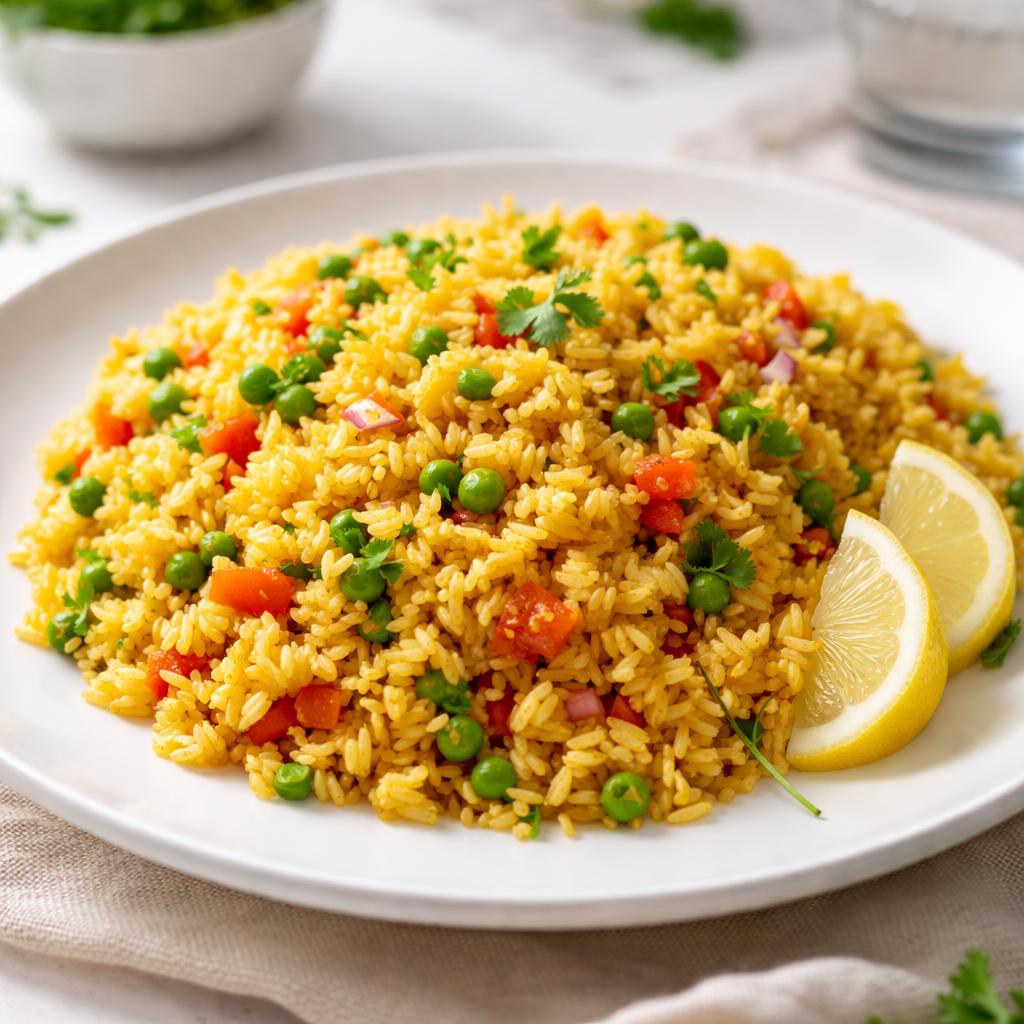
Yellow Rice
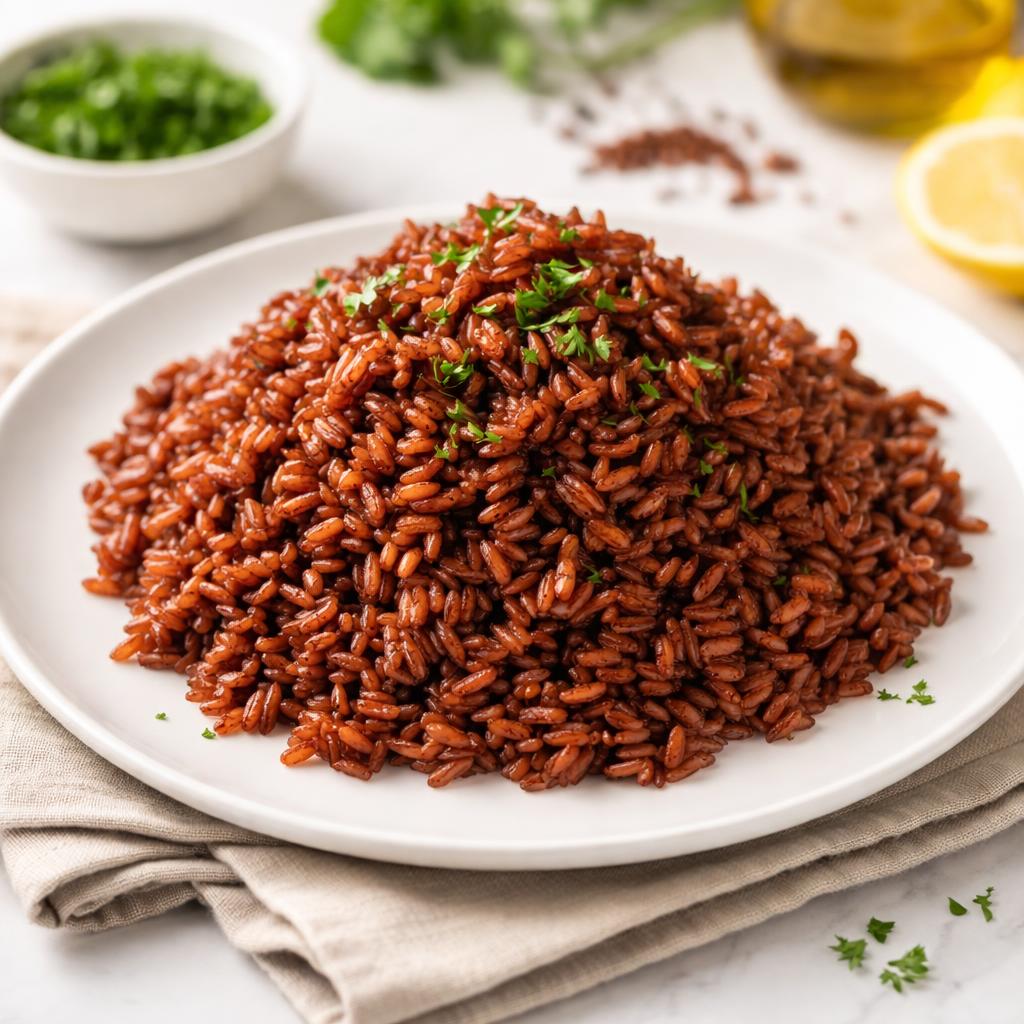
Red Rice
🎯 Quick Verdict
Yellow rice and red rice have distinct nutritional profiles. Red rice is richer in protein and fiber, making it a more nutrient-dense option. Yellow rice, typically seasoned and enriched, is lower in calories and may be better suited for weight-conscious diets or as a flavorful side dish. Both options are gluten-free and vegan-friendly but cater to different dietary goals and health priorities.

Smart Nutrition Tracking with SnapCalorie

📊 Nutritional Comparison
Macronutrients
| Nutrient | Food 1 | Food 2 | Winner |
|---|---|---|---|
| Calories | 150 per 100g | 360 per 100g | − |
| Protein | 2g per 100g | 7g per 100g | − |
| Carbs | 33g per 100g | 77g per 100g | − |
| Fat | 1g per 100g | 2g per 100g | − |
| Fiber | 0.5g per 100g | 6g per 100g | − |
Vitamins & Minerals
| Nutrient | Food 1 | Food 2 | Winner |
|---|---|---|---|
| Vitamin B | 0.02mg per 100g | 0.04mg per 100g | − |
| Magnesium | 10mg per 100g | 60mg per 100g | − |
| Iron | 1mg per 100g | 2mg per 100g | − |
🏆 Category Winners
Protein
Red rice provides 3.5x more protein per serving compared to yellow rice.
Fiber
Red rice contains 12x more fiber, making it superior for digestive health.
Calories
Yellow rice contains significantly fewer calories per serving, ideal for low-calorie diets.
Vitamins
Red rice is nutritionally denser with higher magnesium, iron, and vitamin B levels.
🥗 Diet Compatibility
Keto
Food 1: Not Compatible
Food 2: Not Compatible
Both rice types are high in carbohydrates.
Vegan
Food 1: Compatible
Food 2: Compatible
Both are plant-based and vegan-friendly.
Gluten Free
Food 1: Compatible
Food 2: Compatible
Neither contains gluten, making them suitable for gluten-free diets.
Paleo
Food 1: Not Compatible
Food 2: Not Compatible
Rice is generally excluded from strict paleo diets.
Low-Carb
Food 1: Not Compatible
Food 2: Not Compatible
Both have high carbohydrate content, exceeding low-carb diet limits.
💪 Health Benefits Comparison
Food 1 Benefits
- Lower in calories for weight management
- Provides quick energy due to carbohydrate content
- Enhanced with spices offers potential anti-inflammatory benefits
Food 2 Benefits
- Rich in protein for muscle repair and maintenance
- High fiber aids in digestion and promotes gut health
- Contains magnesium for bone and nerve health
✅ The Bottom Line
Choose yellow rice if you are looking for a tasty, low-calorie option that complements meals and supports weight goals. Opt for red rice when focusing on nutrient density, protein intake, and digestive health. Both foods are vegan and gluten-free but differ in their best use cases.
Choose Food 1 for: Weight management, flavorful side dishes, quick energy
Choose Food 2 for: Muscle repair, increased nutrient density, digestive health


