Yellow Rice VS Lebanese Bread
A detailed nutritional comparison
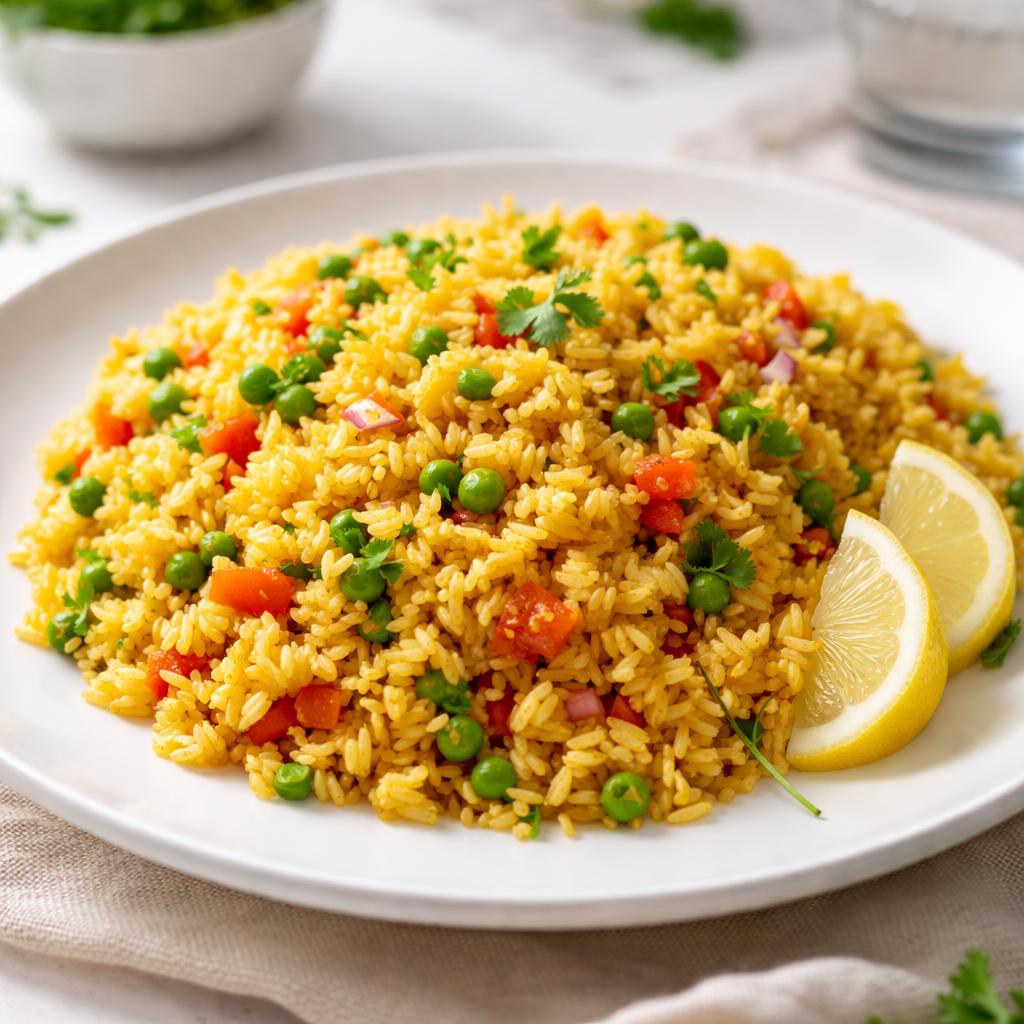
Yellow Rice
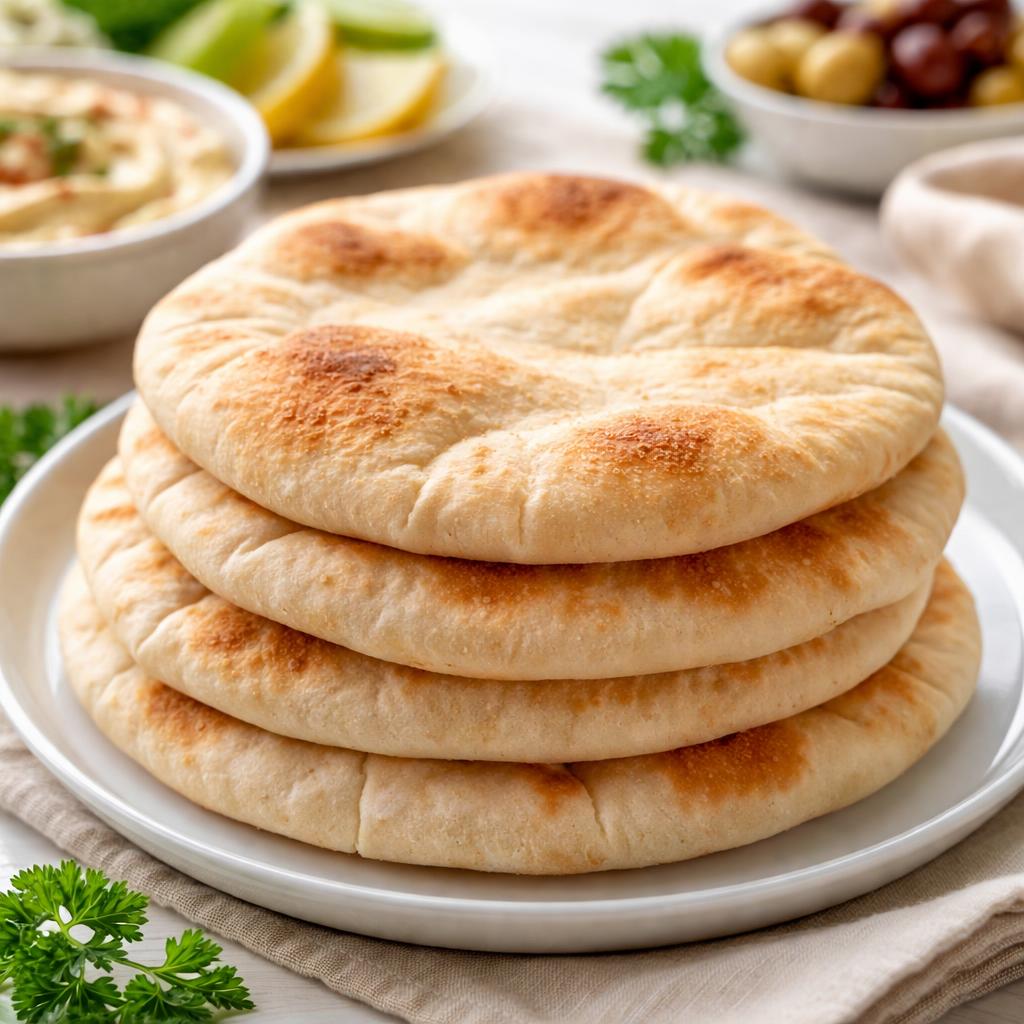
Lebanese Bread
🎯 Quick Verdict
Lebanese bread outshines yellow rice in several nutritional categories, including having fewer calories, higher protein, and more fiber per serving. Yellow rice, though, provides slightly more carbohydrates and energy, making it suitable for active lifestyles that require quick energy boosts. Lebanese bread is a more balanced choice for lower-calorie diets and better digestion support.

Smart Nutrition Tracking with SnapCalorie

📊 Nutritional Comparison
Macronutrients
| Nutrient | Food 1 | Food 2 | Winner |
|---|---|---|---|
| Calories | 200 | 140 | ✓ |
| Protein | 4g | 6g | ✓ |
| Carbs | 42g | 28g | ✓ |
| Fat | 3g | 1g | ✓ |
| Fiber | 1g | 2g | ✓ |
Vitamins & Minerals
| Nutrient | Food 1 | Food 2 | Winner |
|---|---|---|---|
| Vitamin D | 0mcg | 0mcg | − |
| Calcium | 10mg | 15mg | ✓ |
| Iron | 0.5mg | 1.2mg | ✓ |
🏆 Category Winners
Protein
Lebanese bread has 50% more protein than yellow rice per serving.
Fiber
Lebanese bread has double the fiber content compared to yellow rice.
Calories
Lebanese bread contains 30% fewer calories.
Vitamins
Lebanese bread has higher levels of calcium and iron.
🥗 Diet Compatibility
Keto
Food 1: Not Compatible
Food 2: Not Compatible
Both are too high in carbohydrates for keto.
Vegan
Food 1: Compatible
Food 2: Compatible
Both are plant-based foods.
Gluten Free
Food 1: Not Compatible
Food 2: Not Compatible
Both foods contain gluten or are made from gluten-containing grains.
Paleo
Food 1: Not Compatible
Food 2: Not Compatible
Grains used in both foods are excluded in paleo diets.
Low-Carb
Food 1: Not Compatible
Food 2: Not Compatible
Both foods contain a high carb content per serving.
💪 Health Benefits Comparison
Food 1 Benefits
- Provides a quick source of energy from carbs
- Low fat content makes it suitable for light meals
- Can be a flavorful side dish enriched with spices for added antioxidants
Food 2 Benefits
- Higher protein supports muscle maintenance
- Moderate fiber aids digestion and gut health
- Lower calorie content helps with weight management
✅ The Bottom Line
Lebanese bread is the overall winner for those seeking balanced nutrition with fewer calories, more protein, and fiber. Yellow rice may be better for athletes or those needing quick energy boosts from carbs. Both can complement different dietary needs but should be avoided in low-carb or gluten-free diets.
Choose Food 1 for: Energy replenishment, active lifestyles, as a flavorful side dish
Choose Food 2 for: Weight management, higher protein diets, improving digestion


