Yellow Rice VS Basmati Rice
A detailed nutritional comparison
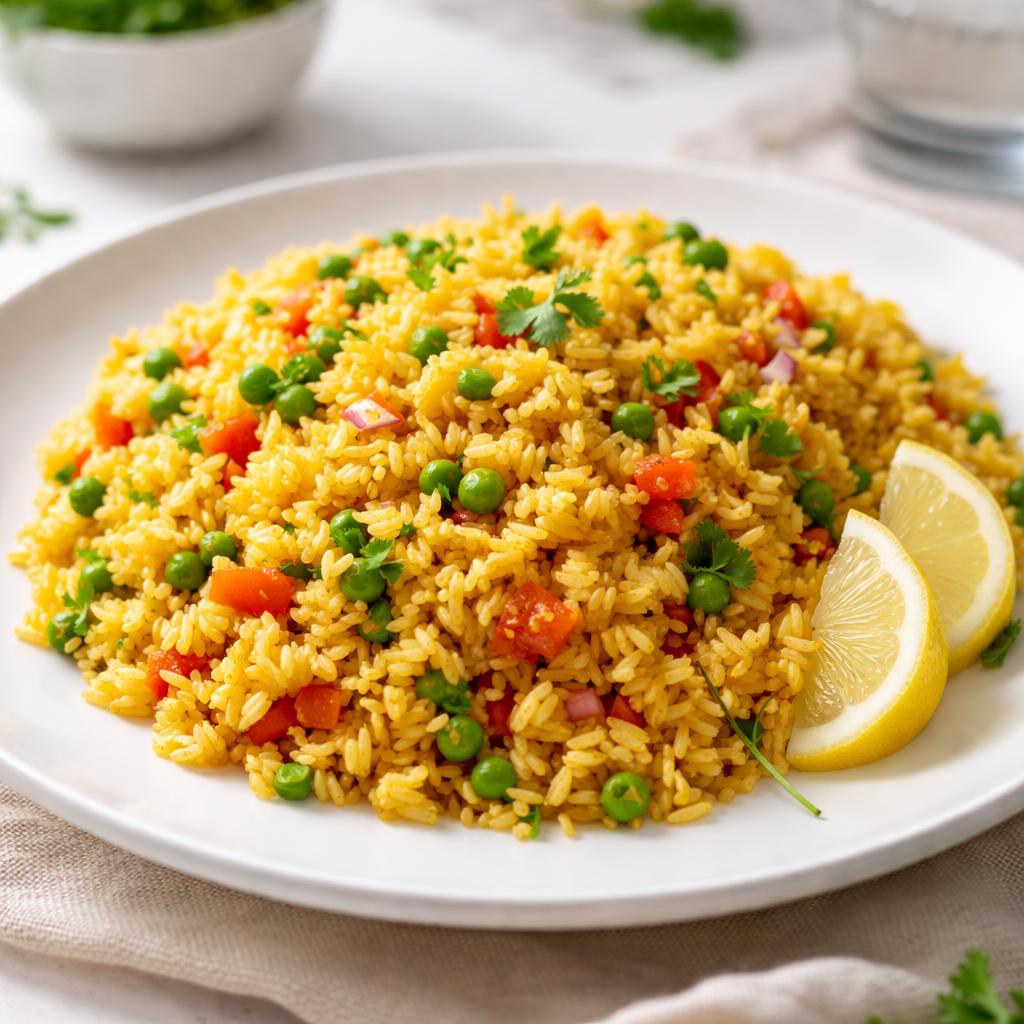
Yellow Rice
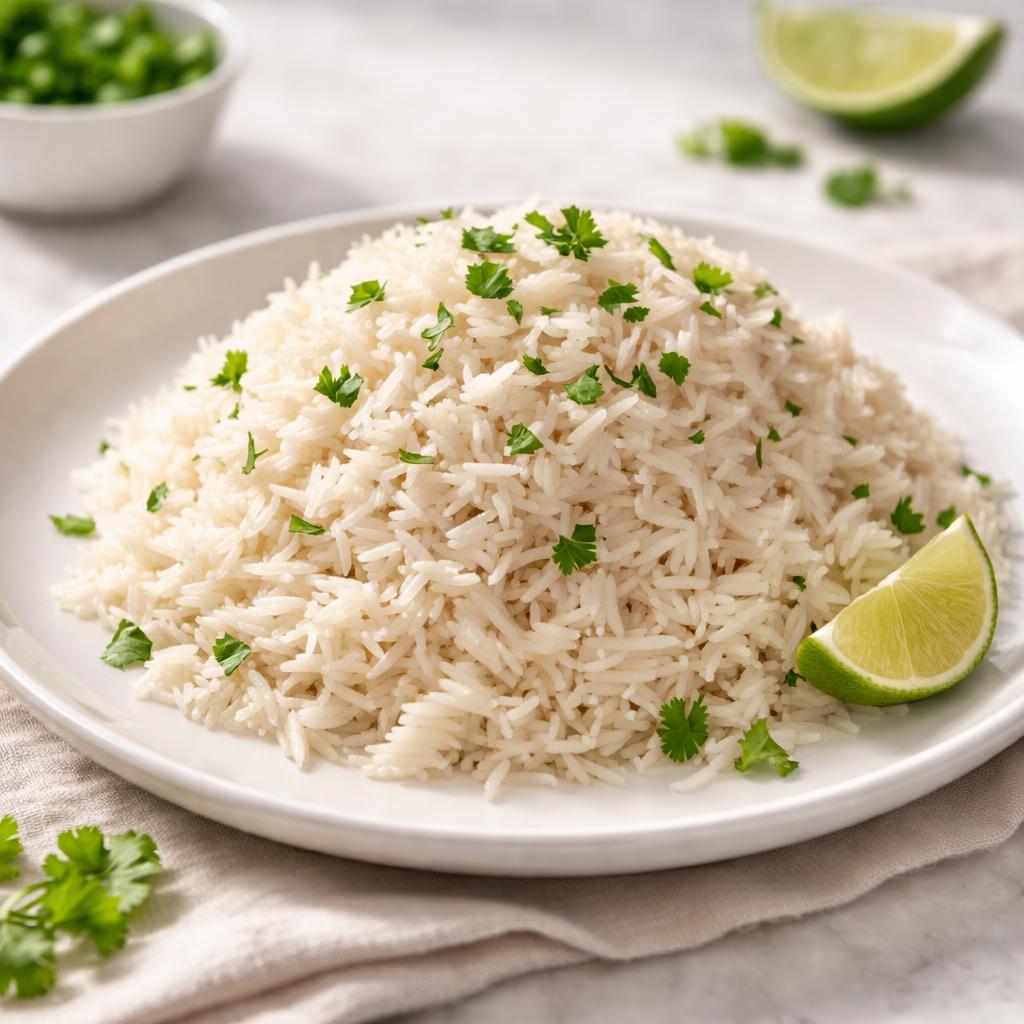
Basmati Rice
🎯 Quick Verdict
Yellow rice and basmati rice differ significantly in nutrient composition. Yellow rice typically contains more fiber due to added seasonings and whole grains, while basmati rice is lower in calories and has a cleaner taste profile. Yellow rice is ideal for nutrient-dense meals, while basmati rice works better for lighter calorie-controlled dishes and traditional recipes.

Smart Nutrition Tracking with SnapCalorie

📊 Nutritional Comparison
Macronutrients
| Nutrient | Food 1 | Food 2 | Winner |
|---|---|---|---|
| Calories | 200 | 160 | ✓ |
| Protein | 4g | 4g | − |
| Carbs | 40g | 37g | ✓ |
| Fat | 3g | 0.5g | ✓ |
| Fiber | 2g | 1g | ✓ |
Vitamins & Minerals
| Nutrient | Food 1 | Food 2 | Winner |
|---|---|---|---|
| Vitamin C | 5mg | 0mg | ✓ |
| Iron | 1.5mg | 1mg | ✓ |
| Vitamin A | 300IU | 0IU | ✓ |
🏆 Category Winners
Protein
Both yellow rice and basmati rice contain 4g protein per serving.
Fiber
Yellow rice has twice the fiber compared to basmati rice.
Calories
Basmati rice has 40 fewer calories per serving.
Vitamins
Yellow rice contains significantly more vitamin C, iron, and vitamin A due to added seasonings or enriched ingredients.
🥗 Diet Compatibility
Keto
Food 1: Not Compatible
Food 2: Not Compatible
Both foods are high-carb and not suitable for keto diets.
Vegan
Food 1: Compatible
Food 2: Compatible
Both are plant-based staples.
Gluten Free
Food 1: Compatible
Food 2: Compatible
Neither contains gluten.
Paleo
Food 1: Compatible
Food 2: Compatible
Both are compatible with paleo diets when minimally processed.
Low-Carb
Food 1: Not Compatible
Food 2: Not Compatible
Carbohydrates are too high for low-carb diet plans.
💪 Health Benefits Comparison
Food 1 Benefits
- Higher fiber content supports digestion
- Enriched with vitamin A for eye health
- Source of iron for energy production
- Contains antioxidants from added seasonings
Food 2 Benefits
- Lower calorie option supports weight management
- Easily digested and hypoallergenic
- Naturally aromatic with no artificial additives
- Provides sustained energy from complex carbohydrates
✅ The Bottom Line
Yellow rice is a nutrient-dense option suitable for those seeking more fiber, vitamins, and added flavor, while basmati rice is better for calorie-conscious individuals and pairs well with light dishes. Choose yellow rice for nutrient-packed meals and basmati rice for traditional simplicity or lower-calorie needs.
Choose Food 1 for: Balanced meals, nutrient density, iron deficiency support
Choose Food 2 for: Weight management, lighter meals, traditional Asian and Middle Eastern recipes


