Wild Rice VS Tuna Pasta
A detailed nutritional comparison
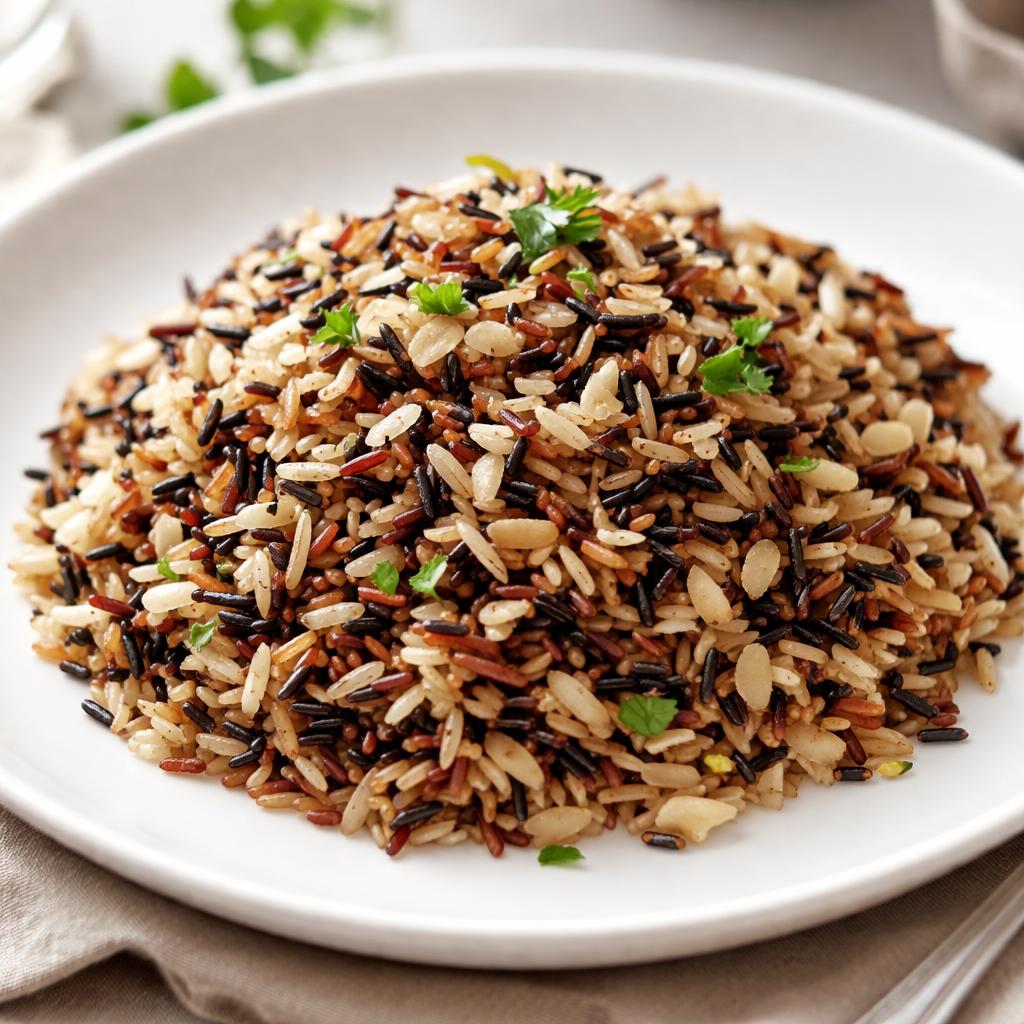
Wild Rice
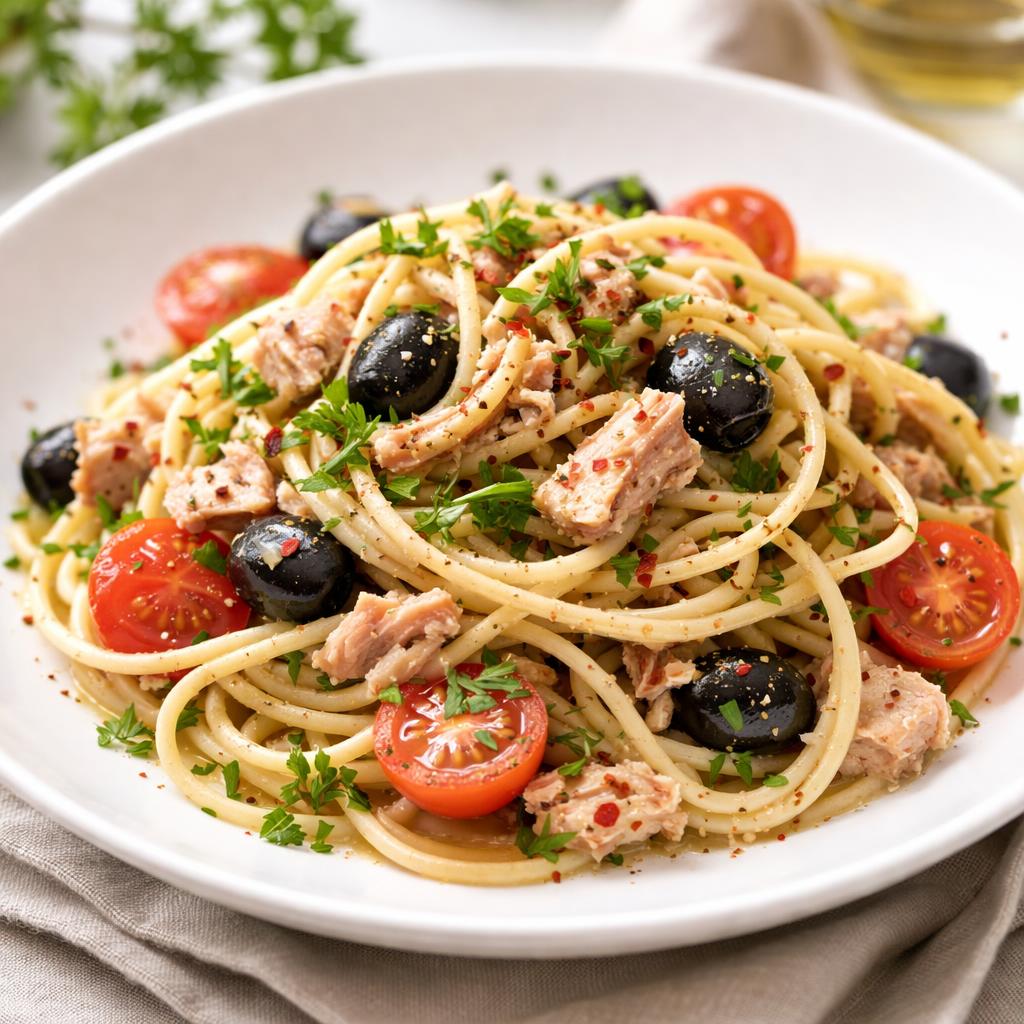
Tuna Pasta
🎯 Quick Verdict
Wild rice is lower in calories, higher in fiber, and more suited for high-fiber, low-calorie meals. Tuna pasta offers significantly higher protein and a broader range of nutrients, making it ideal for muscle recovery or nutrient-dense diets. Both have unique applications depending on dietary goals.

Smart Nutrition Tracking with SnapCalorie

📊 Nutritional Comparison
Macronutrients
| Nutrient | Food 1 | Food 2 | Winner |
|---|---|---|---|
| Calories | 166 (per cup, cooked) | 350 (per cup, cooked) | ✓ |
| Protein | 6.5g | 22g | ✓ |
| Carbs | 35g | 40g | ✓ |
| Fat | 0.6g | 7g | ✓ |
| Fiber | 3g | 2g | ✓ |
Vitamins & Minerals
| Nutrient | Food 1 | Food 2 | Winner |
|---|---|---|---|
| Vitamin A | 0% | 2% | ✓ |
| Vitamin C | 0% | 0% | − |
| Vitamin D | 0mcg | 6mcg | ✓ |
| Calcium | 20mg | 50mg | ✓ |
| Iron | 1mg | 2.5mg | ✓ |
🏆 Category Winners
Protein
Tuna pasta provides nearly 3.5x more protein per serving, ideal for muscle maintenance.
Fiber
Wild rice contains 50% more fiber, aiding in digestion and promoting satiety.
Calories
Wild rice is lower in calories, with less than half the calories of tuna pasta per serving.
Vitamins
Tuna pasta offers a broader range of vitamins, including Vitamin D which is absent in wild rice.
🥗 Diet Compatibility
Keto
Food 1: Not Compatible
Food 2: Not Compatible
Both are moderate to high in carbohydrates.
Vegan
Food 1: Compatible
Food 2: Not Compatible
Wild rice is plant-based, while tuna pasta contains animal-derived ingredients.
Gluten Free
Food 1: Compatible
Food 2: Not Compatible
Wild rice is naturally gluten-free; tuna pasta typically contains wheat pasta unless gluten-free versions are used.
Paleo
Food 1: Compatible
Food 2: Not Compatible
Wild rice aligns better with paleo diets due to its whole grain nature, whereas pasta is not paleo-friendly.
Low-Carb
Food 1: Not Compatible
Food 2: Not Compatible
Both foods exceed the typical carbohydrate limits for low-carb diets.
💪 Health Benefits Comparison
Food 1 Benefits
- Rich in fiber for improved digestion
- Low in calories for weight management
- Contains antioxidants that promote cellular health
Food 2 Benefits
- High in protein for muscle repair and maintenance
- Contains Vitamin D for bone health
- Rich in omega-3 fatty acids (if using tuna) for heart health
✅ The Bottom Line
Choose wild rice for weight loss, digestion support, and vegan or gluten-free diets. Opt for tuna pasta when you need a high-protein, nutrient-dense meal, especially if you're focusing on muscle recovery post-exercise or overall balanced nutrition.
Choose Food 1 for: Weight loss, vegan diets, high-fiber meals
Choose Food 2 for: Post-workout recovery, nutrient-density, balanced meals


