Wild Rice VS Black Rice
A detailed nutritional comparison
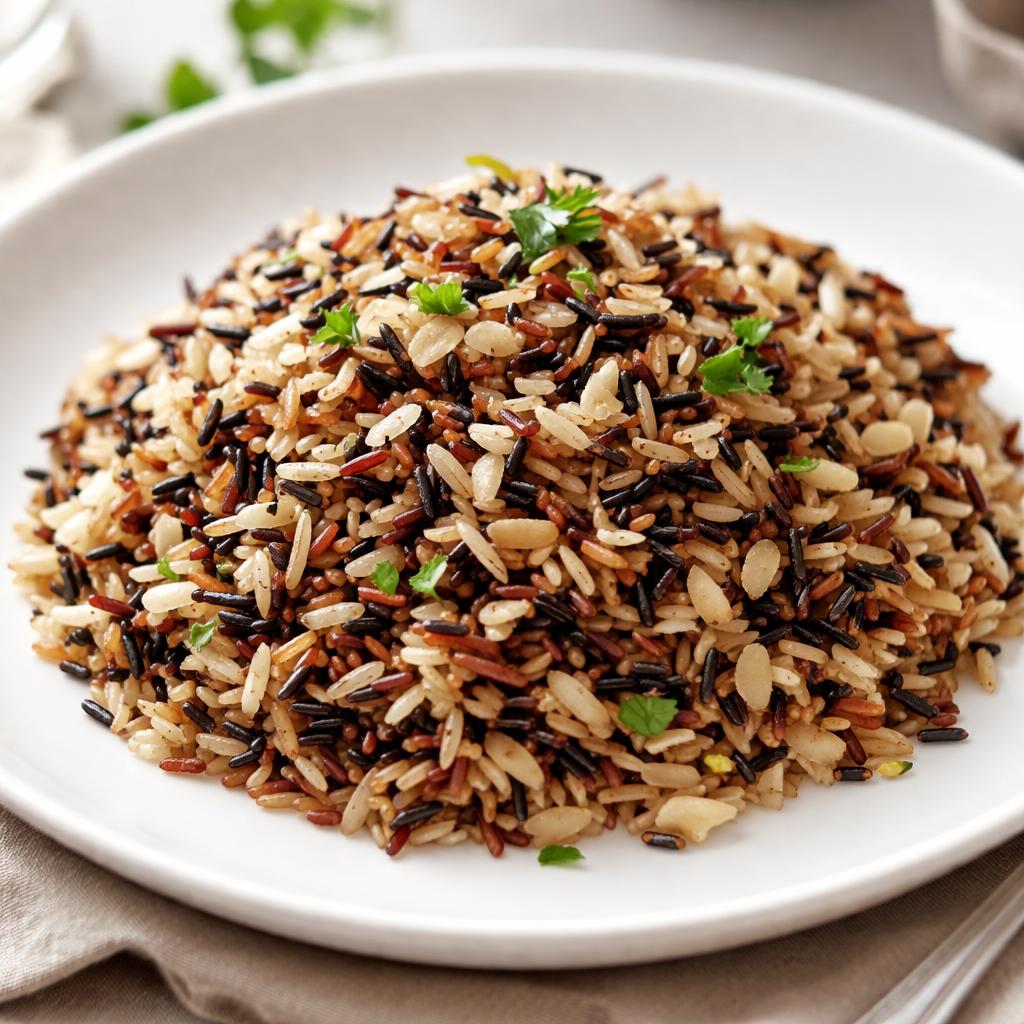
Wild Rice
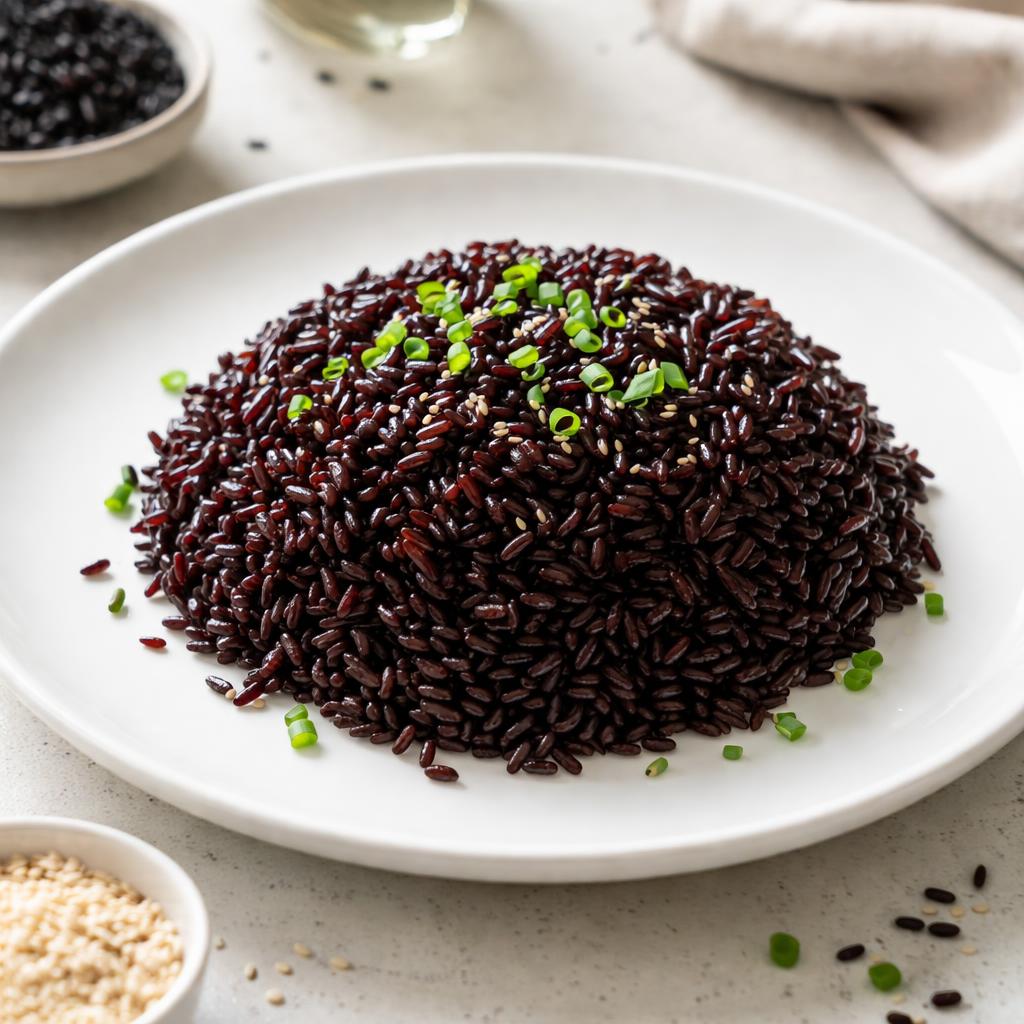
Black Rice
🎯 Quick Verdict
Wild rice and black rice are both nutrient-dense whole grains with distinct benefits. Wild rice is higher in protein and lower in calories, making it a slightly better choice for weight loss or muscle-building goals. Black rice excels in fiber and antioxidants, making it ideal for digestion and overall health. Both are gluten-free, vegan, and suitable for a variety of diets.

Smart Nutrition Tracking with SnapCalorie

📊 Nutritional Comparison
Macronutrients
| Nutrient | Food 1 | Food 2 | Winner |
|---|---|---|---|
| Calories | 166 | 200 | − |
| Protein | 6.5g | 5g | − |
| Carbs | 35g | 45g | − |
| Fat | 0.6g | 1.5g | − |
| Fiber | 3g | 4.9g | − |
Vitamins & Minerals
| Nutrient | Food 1 | Food 2 | Winner |
|---|---|---|---|
| Vitamin C | 2mg | 0mg | − |
| Vitamin E | 0mg | 0.6mg | − |
| Iron | 0.8mg | 3.5mg | − |
| Magnesium | 50mg | 70mg | − |
🏆 Category Winners
Protein
Wild rice contains 30% more protein per serving than black rice.
Fiber
Black rice is higher in fiber, supporting digestive health.
Calories
Wild rice has 17% fewer calories per serving compared to black rice.
Vitamins
Black rice is richer in iron and magnesium, important for energy production and bone health.
🥗 Diet Compatibility
Keto
Food 1: Not Compatible
Food 2: Not Compatible
Both are high-carb grains and not suitable for a keto diet.
Vegan
Food 1: Compatible
Food 2: Compatible
Both are plant-based and vegan-friendly.
Gluten Free
Food 1: Compatible
Food 2: Compatible
Neither contains gluten, making them safe for gluten-free diets.
Paleo
Food 1: Not Compatible
Food 2: Not Compatible
Grains are generally excluded from a strict paleo diet.
Low-Carb
Food 1: Not Compatible
Food 2: Not Compatible
Both are relatively high in carbohydrates, limiting compatibility with low-carb diets.
💪 Health Benefits Comparison
Food 1 Benefits
- Higher protein content supports muscle growth and repair.
- Low in calories, helping with weight management.
- Rich in antioxidants for immune support.
Food 2 Benefits
- High in fiber promotes digestive health and satiety.
- Contains anthocyanins, powerful antioxidants, for heart and brain health.
- Rich in magnesium supports overall energy production and muscle function.
✅ The Bottom Line
Both wild rice and black rice are excellent whole grain options with unique benefits. Choose wild rice for higher protein and lower calories, ideal for weight loss or active lifestyles. Opt for black rice for enhanced fiber and antioxidants, making it better suited for heart and digestive health.
Choose Food 1 for: Weight management, muscle-building, immune support
Choose Food 2 for: Digestive health, heart health, antioxidant intake


