Wholemeal Bread VS Naan Bread
A detailed nutritional comparison
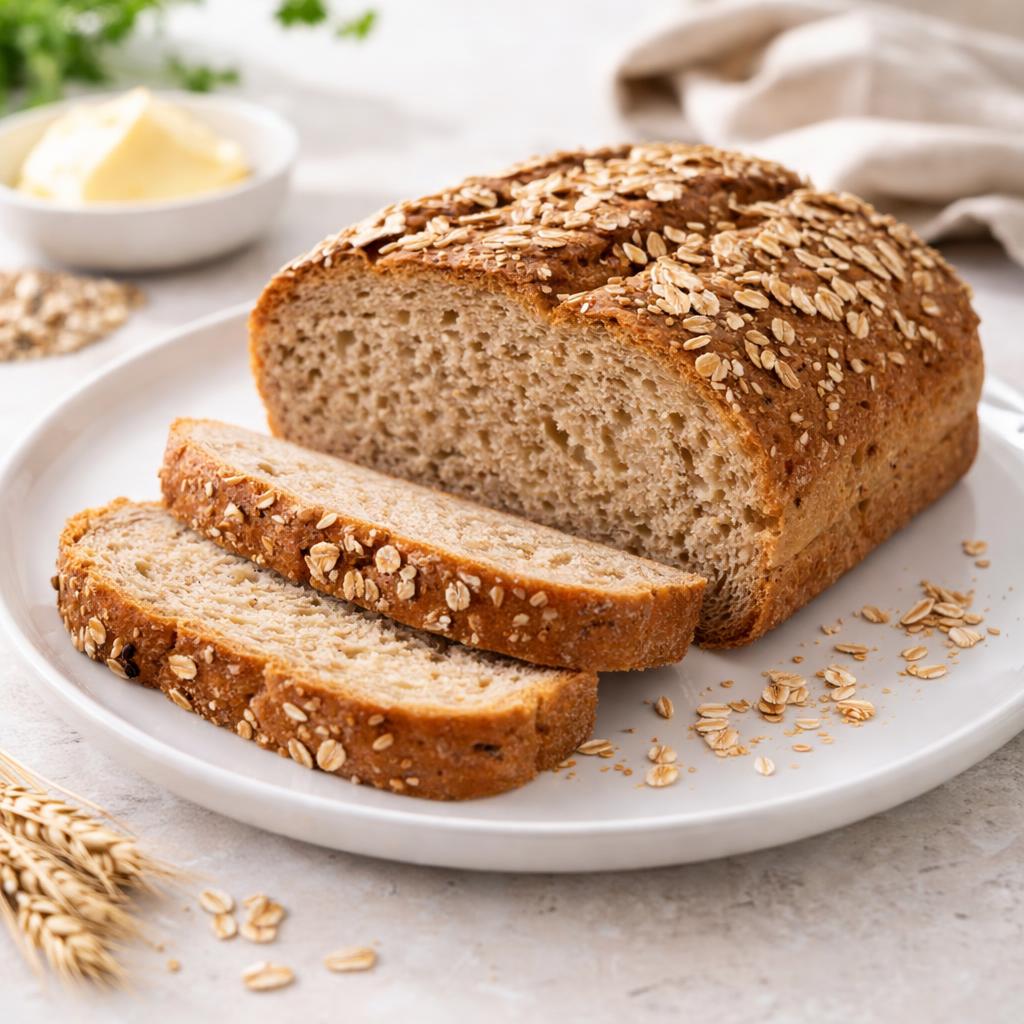
Wholemeal Bread
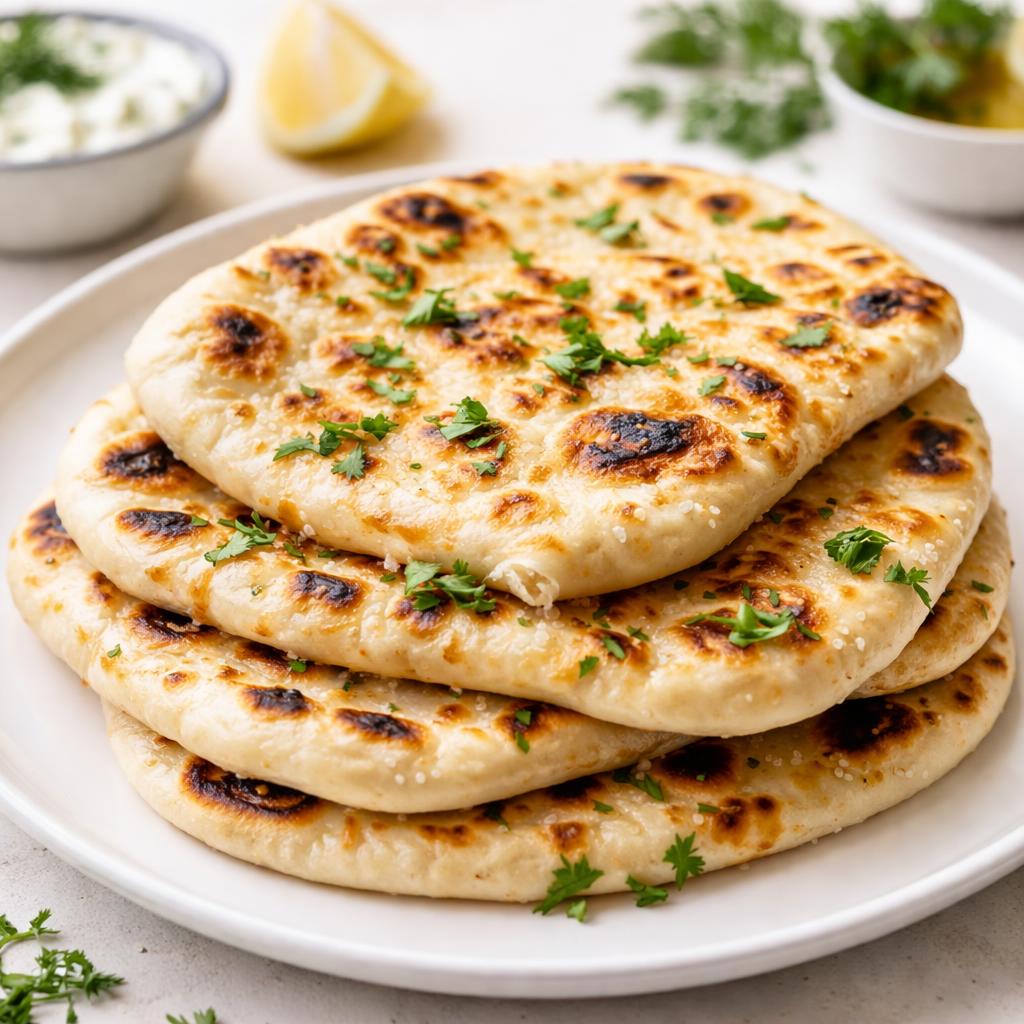
Naan Bread
🎯 Quick Verdict
Wholemeal bread and naan bread differ significantly in nutritional profiles. Wholemeal bread is lower in calories and offers more protein and fiber, making it a better choice for weight control and digestion. Naan bread provides more fat and carbohydrates, and may be better suited for energy needs or as a treat in meals with richer flavors like curries.

Smart Nutrition Tracking with SnapCalorie

📊 Nutritional Comparison
Macronutrients
| Nutrient | Food 1 | Food 2 | Winner |
|---|---|---|---|
| Calories | 82 per slice (~40g) | 250 per piece (~100g) | ✓ |
| Protein | 4g | 6g | − |
| Carbs | 14g | 40g | ✓ |
| Fat | 1.1g | 8g | ✓ |
| Fiber | 2g | 1g | ✓ |
Vitamins & Minerals
| Nutrient | Food 1 | Food 2 | Winner |
|---|---|---|---|
| Vitamin D | 0mcg | 0mcg | − |
| Calcium | 50mg | 20mg | ✓ |
| Iron | 1mg | 0.5mg | ✓ |
🏆 Category Winners
Protein
Both foods offer similar protein content per relative serving size.
Fiber
Wholemeal bread has twice the fiber of naan bread.
Calories
Wholemeal bread is significantly lower in calories per serving.
Vitamins
Wholemeal bread provides more calcium and iron per serving.
🥗 Diet Compatibility
Keto
Food 1: Not Compatible
Food 2: Not Compatible
Both are too high in carbohydrates for keto diets.
Vegan
Food 1: Compatible
Food 2: Not Always Compatible
Naan bread often contains dairy or eggs, whereas wholemeal bread is generally vegan.
Gluten Free
Food 1: Not Compatible
Food 2: Not Compatible
Both contain gluten as they are made from wheat-based flours.
Paleo
Food 1: Not Compatible
Food 2: Not Compatible
Neither fits the paleo diet due to processed grains.
Low-Carb
Food 1: Not Compatible
Food 2: Not Compatible
Both are relatively high in carbohydrates and do not fit low-carb requirements.
💪 Health Benefits Comparison
Food 1 Benefits
- Provides sustained energy due to complex carbohydrates
- Rich in fiber for healthy digestion
- Lower in calories, aiding weight management
- Good source of iron and calcium for bone and blood health
Food 2 Benefits
- Higher fat content can support energy needs
- Tasty accompaniment to nutrient-dense dishes like curries
- Provides moderate protein levels
- May offer a more satisfying texture for special meals
✅ The Bottom Line
Wholemeal bread is a more versatile and nutritionally balanced option for everyday consumption, particularly for weight management and sustained energy. Naan bread is a richer, more indulgent choice suited for pairing with flavorful dishes or occasional treats.
Choose Food 1 for: Weight control, fiber intake, everyday meals
Choose Food 2 for: Pairing with curries, higher energy needs, special occasions


