Wholemeal Bread VS Multigrain Bread
A detailed nutritional comparison
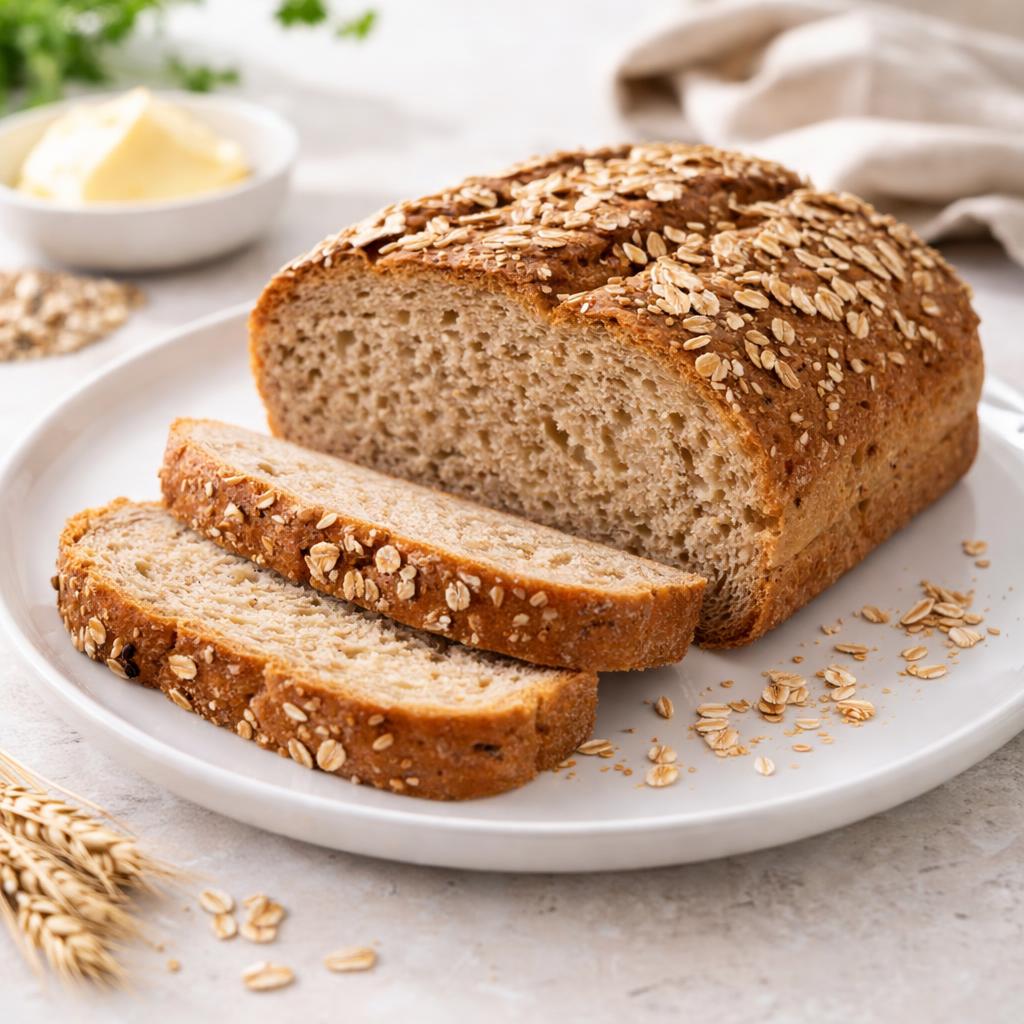
Wholemeal Bread
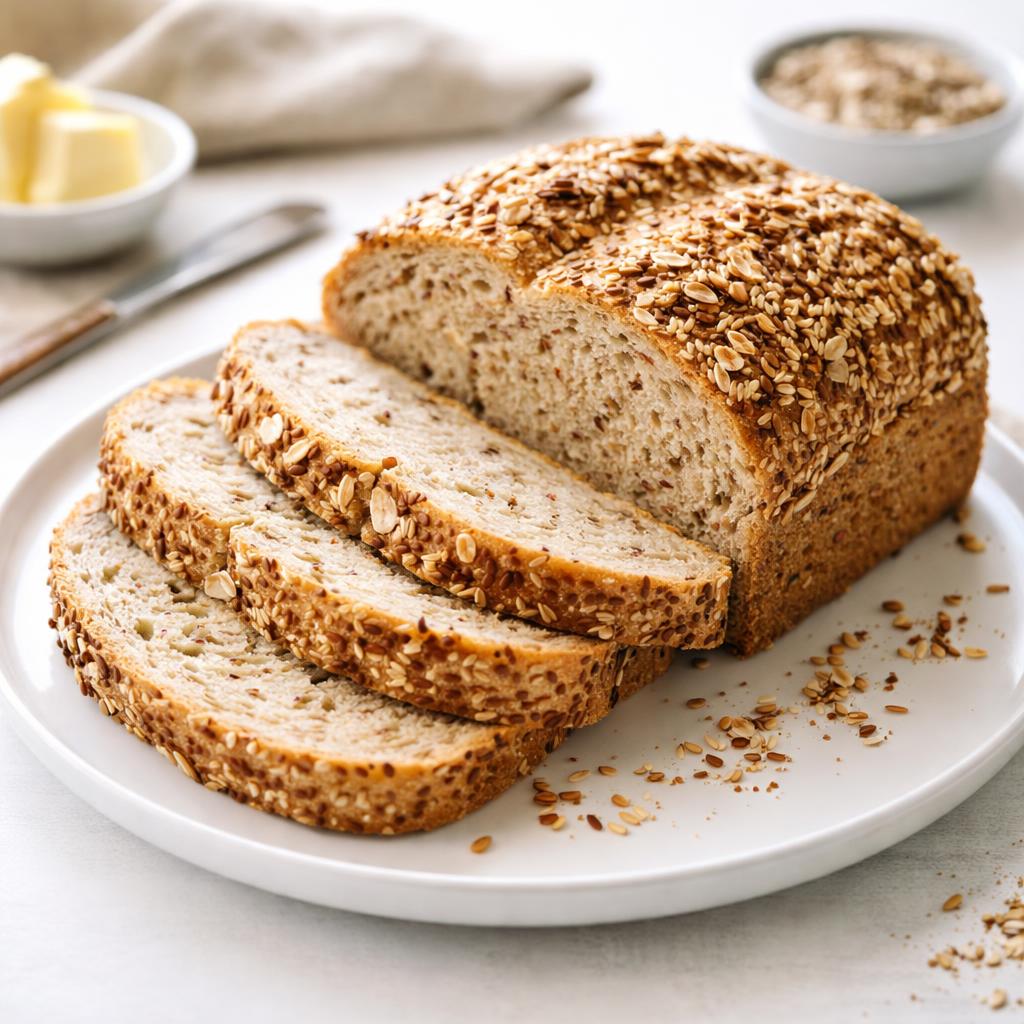
Multigrain Bread
🎯 Quick Verdict
Wholemeal bread and multigrain bread are nutrient-dense options, yet differ in their nutritional profile. Wholemeal bread offers slightly more protein and fewer ingredients, making it simpler and reliable for general health. Multigrain bread shines with higher fiber content and a broader variety of nutrients from multiple grains, making it excellent for promoting digestive health and nutrient diversity.

Smart Nutrition Tracking with SnapCalorie

📊 Nutritional Comparison
Macronutrients
| Nutrient | Food 1 | Food 2 | Winner |
|---|---|---|---|
| Calories | 80 (per slice) | 80 (per slice) | − |
| Protein | 4g | 3.5g | ✓ |
| Carbs | 13g | 15g | ✓ |
| Fat | 1g | 1.5g | ✓ |
| Fiber | 2g | 3g | ✓ |
Vitamins & Minerals
| Nutrient | Food 1 | Food 2 | Winner |
|---|---|---|---|
| Vitamin B6 | 0.1mg | 0.2mg | ✓ |
| Iron | 1mg | 1.2mg | ✓ |
| Magnesium | 20mg | 25mg | ✓ |
🏆 Category Winners
Protein
Wholemeal bread slightly edges out multigrain bread with 4% more protein per slice.
Fiber
Multigrain bread provides 50% more fiber, aiding digestion and gut health.
Calories
Both foods offer 80 calories per slice, making them equally calorie-friendly.
Vitamins
Multigrain bread incorporates more grains, enhancing its vitamin and mineral diversity.
🥗 Diet Compatibility
Keto
Food 1: Not Compatible
Food 2: Not Compatible
Both breads contain high carbohydrate content unsuitable for keto diets.
Vegan
Food 1: Compatible
Food 2: Compatible
Both breads are plant-based and do not contain animal products.
Gluten Free
Food 1: Not Compatible
Food 2: Not Compatible
Neither bread is gluten-free as they are made from wheat-based flours.
Paleo
Food 1: Not Compatible
Food 2: Not Compatible
Paleo diets exclude grains such as wheat and multigrain ingredients.
Low-Carb
Food 1: Not Compatible
Food 2: Not Compatible
Both options contain more than 10g of carbs per serving, unsuitable for low-carb diets.
💪 Health Benefits Comparison
Food 1 Benefits
- Higher protein content supports tissue repair and muscle maintenance.
- Simpler ingredient profile, generally less processed.
- Contains essential fiber to support digestion.
Food 2 Benefits
- Provides diverse nutrients from multiple grains (e.g., oats, barley, flaxseed).
- Excellent source of dietary fiber for improved gut health.
- Boosts vitamins and minerals like magnesium and iron for overall wellness.
✅ The Bottom Line
Both breads are healthy options for balanced diets. Wholemeal bread is simpler and higher in protein, ideal for those seeking minimal processing and general nutrition. Multigrain bread, while slightly higher in fiber, offers additional nutrients from diverse grains, making it suitable for boosting dietary diversity and digestive health.
Choose Food 1 for: Simpler diets, protein-focused meals, general nutrition
Choose Food 2 for: Digestive health, nutrient diversity, energy boost


