Wholemeal Bread VS Bread Rolls
A detailed nutritional comparison
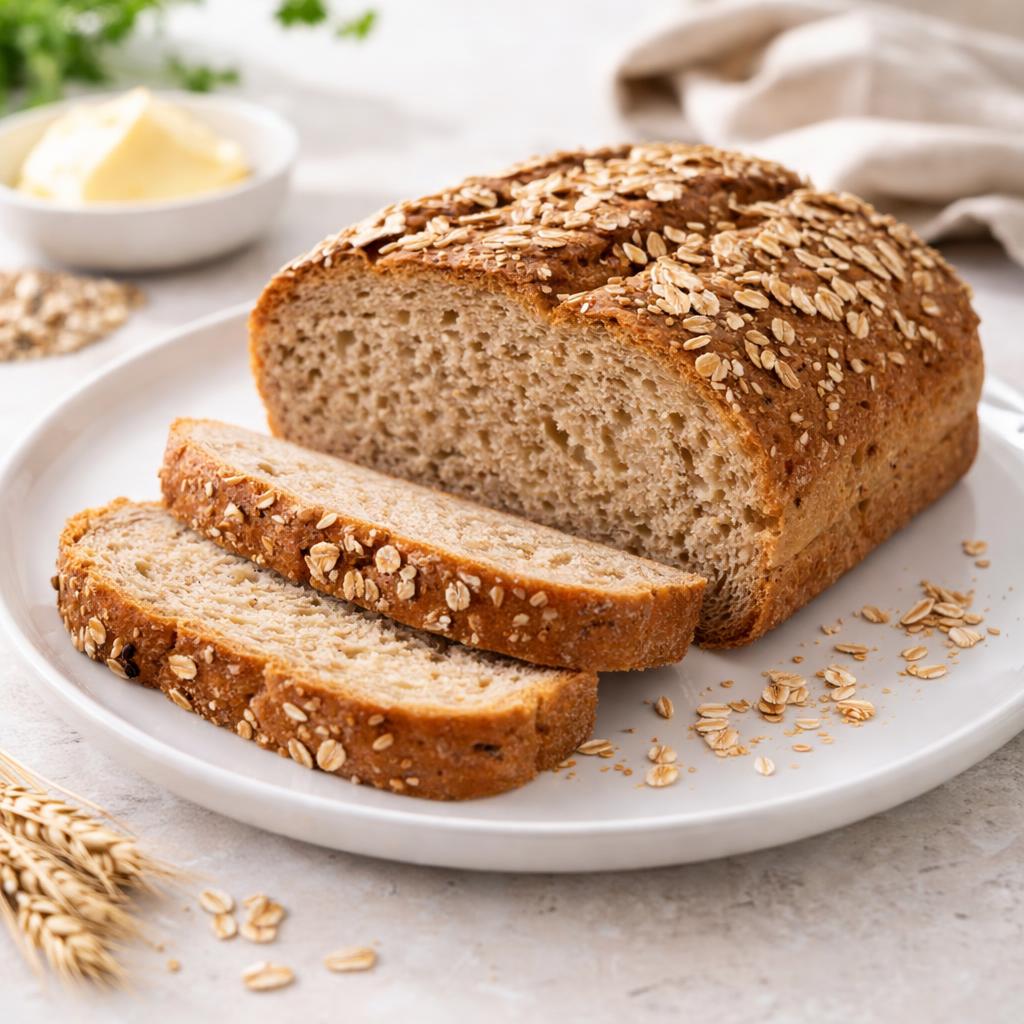
Wholemeal Bread

Bread Rolls
🎯 Quick Verdict
Wholemeal bread is nutritionally superior to bread rolls, offering higher fiber, protein, and fewer calories per serving. Bread rolls are slightly higher in fat and carbohydrates, making them more calorie-dense. Wholemeal bread is better for weight loss and digestive health, while bread rolls may suit those seeking convenience and energy for activities like sports practice or long days on-the-go.

Smart Nutrition Tracking with SnapCalorie

📊 Nutritional Comparison
Macronutrients
| Nutrient | Food 1 | Food 2 | Winner |
|---|---|---|---|
| Calories | 110 | 150 | ✓ |
| Protein | 5g | 4g | ✓ |
| Carbs | 19g | 23g | ✓ |
| Fat | 1g | 3g | ✓ |
| Fiber | 3g | 1g | ✓ |
Vitamins & Minerals
| Nutrient | Food 1 | Food 2 | Winner |
|---|---|---|---|
| Vitamin D | 0mcg | 0mcg | − |
| Calcium | 50mg | 30mg | ✓ |
| Iron | 0.8mg | 0.5mg | ✓ |
🏆 Category Winners
Protein
Wholemeal bread has 25% more protein content per serving.
Fiber
Wholemeal bread contains triple the fiber per serving compared to bread rolls.
Calories
Wholemeal bread has 27% fewer calories than bread rolls.
Vitamins
Wholemeal bread is higher in calcium and iron levels.
🥗 Diet Compatibility
Keto
Food 1: Not Compatible
Food 2: Not Compatible
Both foods are high-carb and not suitable for keto diets.
Vegan
Food 1: Compatible
Food 2: Compatible
Both foods typically contain no animal-based ingredients in their base recipes.
Gluten Free
Food 1: Not Compatible
Food 2: Not Compatible
Both foods are made from wheat and contain gluten.
Paleo
Food 1: Not Compatible
Food 2: Not Compatible
Grains like wheat are not part of the Paleo diet.
Low Carb
Food 1: Not Compatible
Food 2: Not Compatible
Carbohydrate levels in both foods exceed typical low-carb thresholds.
💪 Health Benefits Comparison
Food 1 Benefits
- Rich in fiber for improved digestion and gut health
- Good source of protein for muscle maintenance
- Higher calcium content for bone health
- Contains more iron to support better oxygen transport in the blood
Food 2 Benefits
- Provides convenient, energy-rich portions
- Higher fat content for sustained energy release
- Easily portable for quick meals or snacks
- Contains carbohydrates to fuel physical activity
✅ The Bottom Line
Wholemeal bread is a healthier, nutrient-packed choice offering more protein, fiber, and fewer calories overall, ideal for weight management and digestive health. Bread rolls, while more calorie-dense, can be a good option for quick energy or convenience when on-the-go.
Choose Food 1 for: Weight loss, digestive health, general daily nutrition
Choose Food 2 for: Quick energy, convenience for on-the-go meals, sports practice


