Wholemeal Bread VS Black Beans And Rice
A detailed nutritional comparison
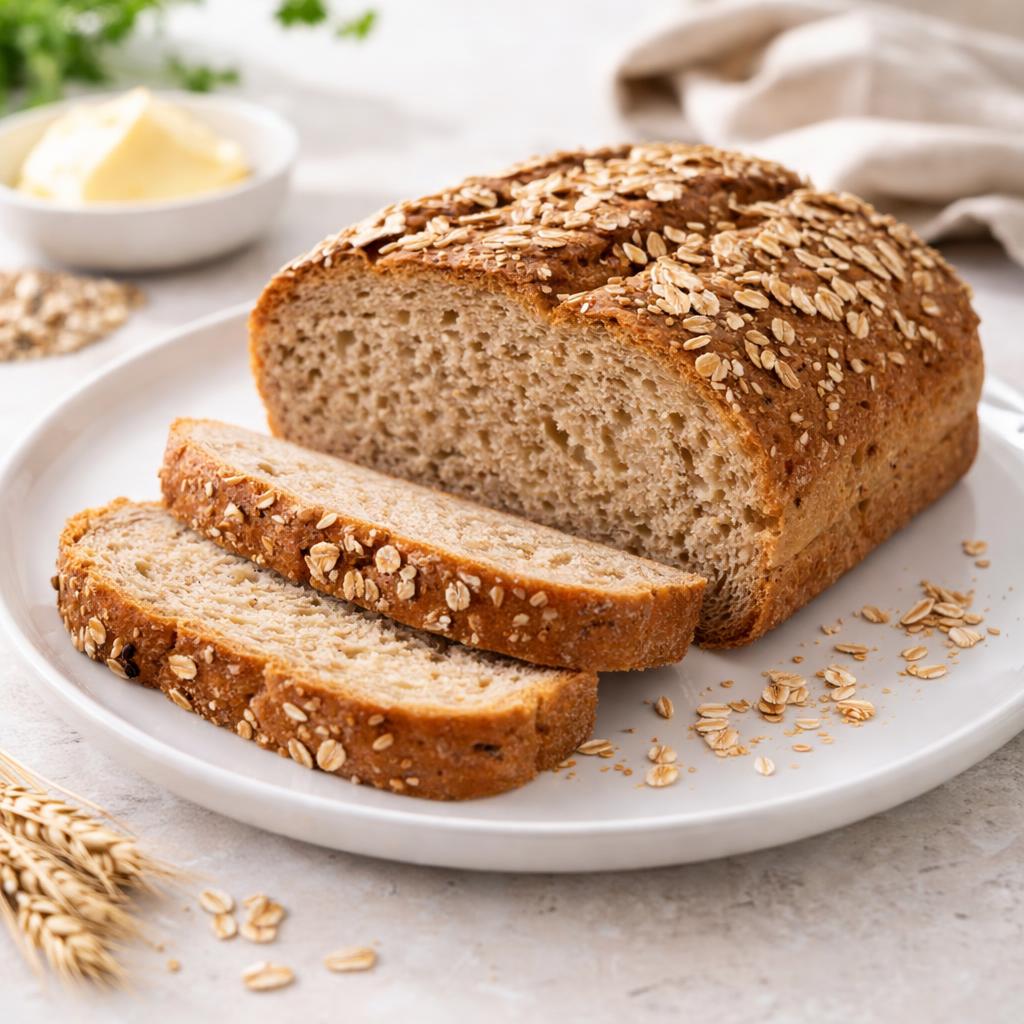
Wholemeal Bread
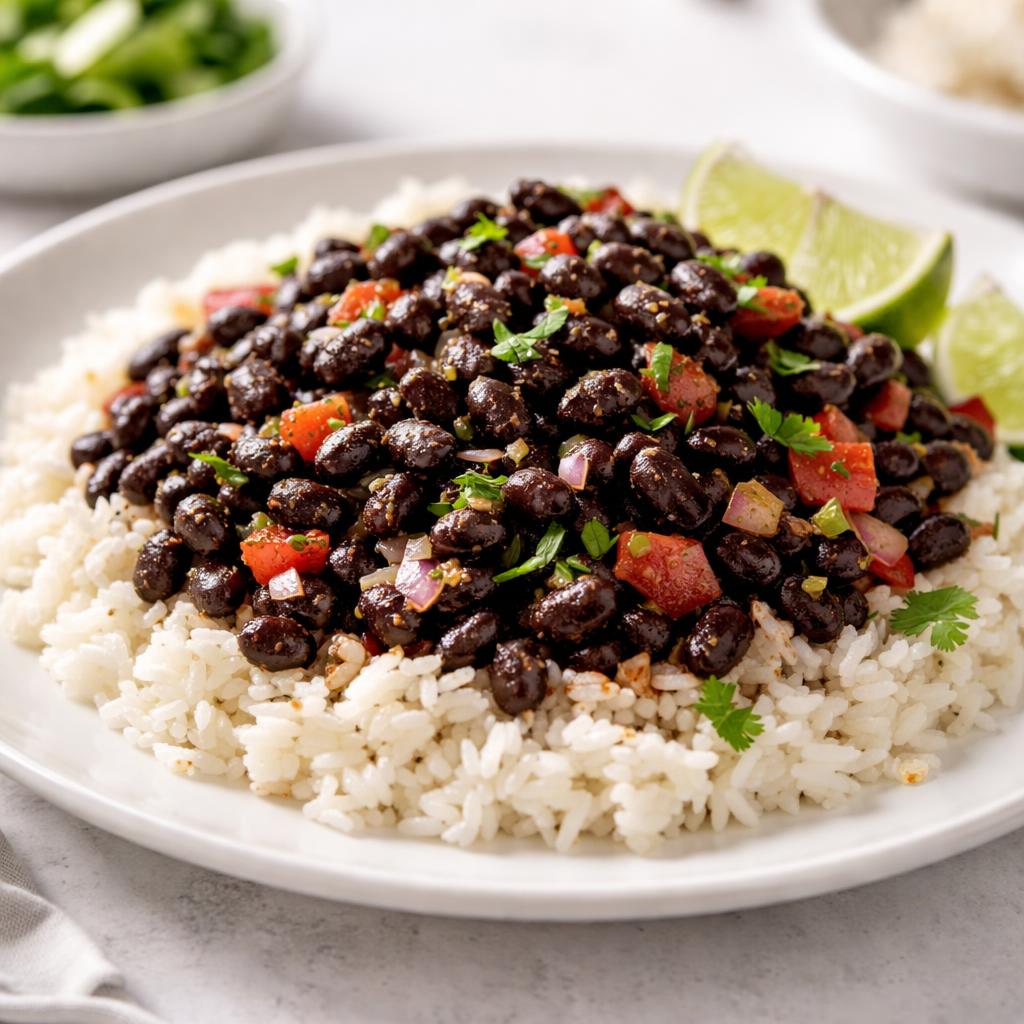
Black Beans And Rice
🎯 Quick Verdict
Wholemeal bread is lower in calories and provides moderate amounts of fiber and protein, making it suitable for lighter meals or snacks. Black beans and rice deliver substantial protein, fiber, and a wider range of vitamins and minerals, ideal for nutrient-dense, satiating meals and plant-based diets.

Smart Nutrition Tracking with SnapCalorie

📊 Nutritional Comparison
Macronutrients
| Nutrient | Food 1 | Food 2 | Winner |
|---|---|---|---|
| Calories | 80 cal (1 slice) | 215 cal (1 cup) | ✓ |
| Protein | 4g | 7g | ✓ |
| Carbs | 14g | 40g | ✓ |
| Fat | 1g | 1.5g | − |
| Fiber | 3g | 7g | ✓ |
Vitamins & Minerals
| Nutrient | Food 1 | Food 2 | Winner |
|---|---|---|---|
| Vitamin D | 0mcg | 0mcg | − |
| Calcium | 30mg | 50mg | ✓ |
| Iron | 1mg | 2mg | ✓ |
| Potassium | 70mg | 350mg | ✓ |
🏆 Category Winners
Protein
Black beans and rice have nearly twice as much protein per serving.
Fiber
Food2 provides over double the fiber content of wholemeal bread.
Calories
Wholemeal bread has roughly 60% fewer calories per serving than black beans and rice.
🥗 Diet Compatibility
Keto
Food 1: Not Compatible
Food 2: Not Compatible
Both foods are too high in carbohydrates.
Vegan
Food 1: Compatible
Food 2: Compatible
Both foods are plant-based and suitable for vegan diets.
Gluten Free
Food 1: Not Compatible
Food 2: Compatible
Wholemeal bread contains gluten, whereas black beans and rice are naturally gluten-free.
Paleo
Food 1: Not Compatible
Food 2: Not Compatible
Black beans, rice, and bread are not paleo-friendly due to their reliance on grains and legumes.
Low-Carb
Food 1: Not Compatible
Food 2: Not Compatible
Both foods exceed typical carb intake limits for low-carb diets.
💪 Health Benefits Comparison
Food 1 Benefits
- Rich in whole grains for sustained energy
- Moderate fiber content aids digestion
- Low in fat and calories, ideal for weight management
Food 2 Benefits
- High in plant-based protein for muscle and tissue repair
- Dense in dietary fiber, supporting gut health and fullness
- Provides key minerals like potassium and iron to boost overall health
✅ The Bottom Line
Choose wholemeal bread for lighter meals, snacks, or if you're managing calorie intake. Black beans and rice are better for nutrient-dense, filling meals, particularly for plant-based and high-fiber diets.
Choose Food 1 for: Low-calorie meals, snacks, weight management
Choose Food 2 for: Plant-based protein sources, filling meals, boosting mineral intake


