Whole Grain Bread VS Bread With Peanut Butter
A detailed nutritional comparison
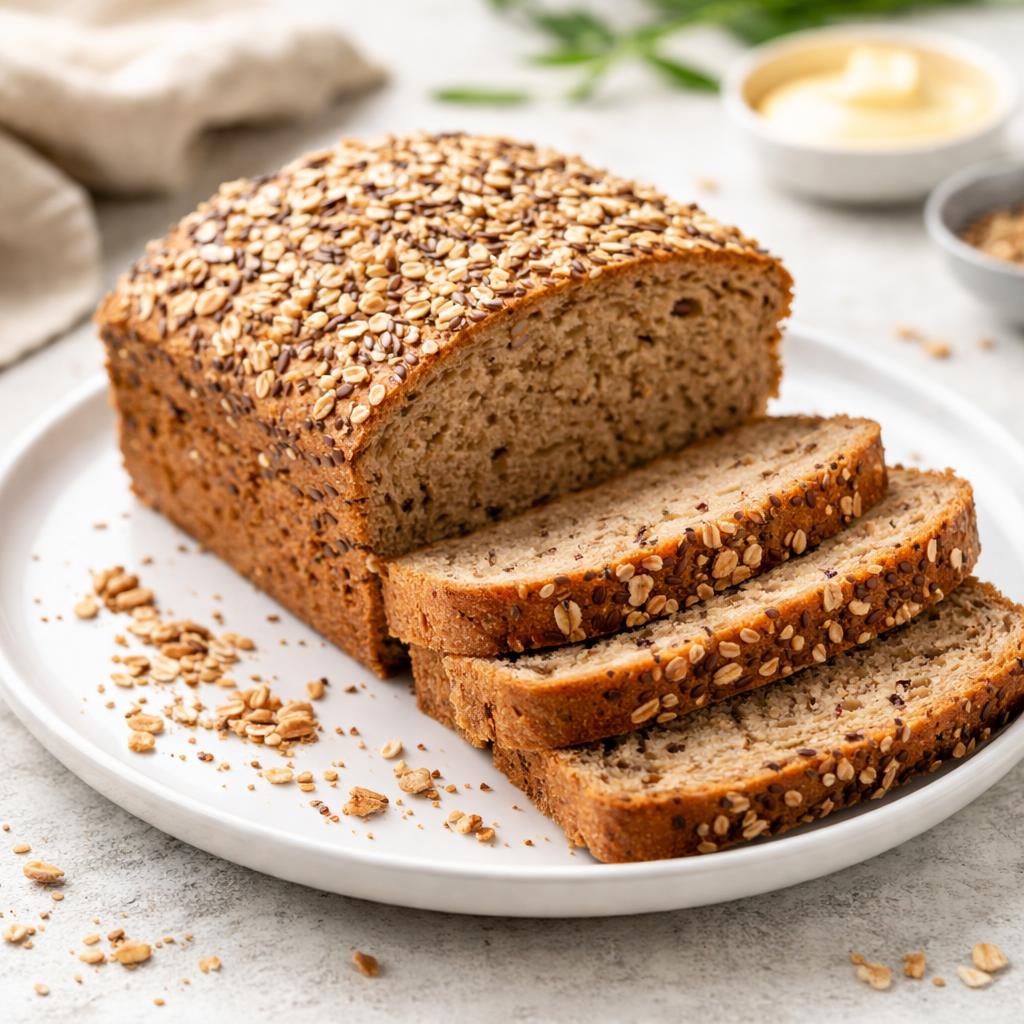
Whole Grain Bread
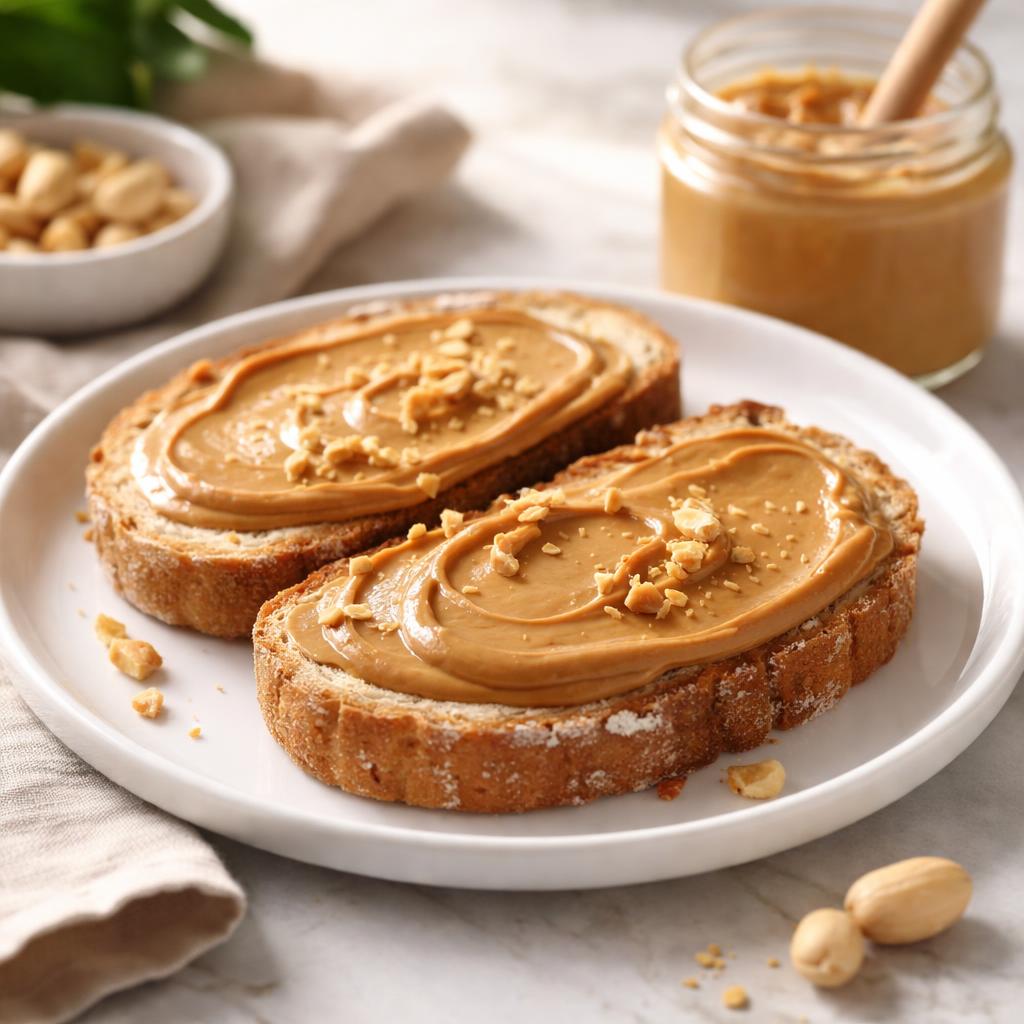
Bread With Peanut Butter
🎯 Quick Verdict
Whole grain bread is lower in calories and richer in fiber, making it great for digestion and weight management. Bread with peanut butter, on the other hand, offers more protein and healthy fats, making it a better choice for muscle maintenance and energy sustenance. Both are nutrient-dense options depending on dietary goals.

Smart Nutrition Tracking with SnapCalorie

📊 Nutritional Comparison
Macronutrients
| Nutrient | Food 1 | Food 2 | Winner |
|---|---|---|---|
| Calories | 80 per slice | 195 (1 slice of bread + 1 tbsp peanut butter) | ✓ |
| Protein | 4g | 8g | ✓ |
| Carbs | 12g | 15g | ✓ |
| Fat | 1g | 10g | ✓ |
| Fiber | 2g | 1g | ✓ |
Vitamins & Minerals
| Nutrient | Food 1 | Food 2 | Winner |
|---|---|---|---|
| Vitamin E | 0.1mg | 1.5mg | ✓ |
| Iron | 0.7mg | 1mg | ✓ |
| Calcium | 50mg | 30mg | ✓ |
🏆 Category Winners
Protein
Bread with peanut butter has double the protein due to the nut butter.
Fiber
Whole grain bread contains two times more fiber, which aids digestion.
Calories
Whole grain bread has significantly fewer calories per slice.
Vitamins
Bread with peanut butter has higher levels of Vitamin E and iron.
🥗 Diet Compatibility
Keto
Food 1: Not Compatible
Food 2: Not Compatible
Both are high in carbs; hence not suitable for keto diets.
Vegan
Food 1: Compatible
Food 2: Compatible
Both are plant-based and suitable for vegan diets.
Gluten Free
Food 1: Not Compatible
Food 2: Not Compatible
Both contain gluten unless you're using gluten-free bread options.
Paleo
Food 1: Not Compatible
Food 2: Not Compatible
Bread and peanut butter do not align with paleo principles.
Low-Carb
Food 1: Not Compatible
Food 2: Not Compatible
Both are relatively high in carbohydrates; not optimal for low-carb diets.
💪 Health Benefits Comparison
Food 1 Benefits
- High in fiber for improved digestion
- Low in calories for weight management
- Offers essential minerals like calcium for bone health
Food 2 Benefits
- Rich in protein for muscle repair and maintenance
- Contains healthy fats for sustained energy and heart health
- Provides Vitamin E and antioxidants for cell protection
✅ The Bottom Line
Choose whole grain bread for weight management and better digestion, especially if you're looking for a low-calorie option. Pick bread with peanut butter if you need a protein-packed, energizing snack ideal for post-workout recovery or active lifestyles.
Choose Food 1 for: Weight management, digestion improvement, lighter meals
Choose Food 2 for: Energy boost, muscle maintenance, heart health


