White Rice VS Sweet Potatoes
A detailed nutritional comparison
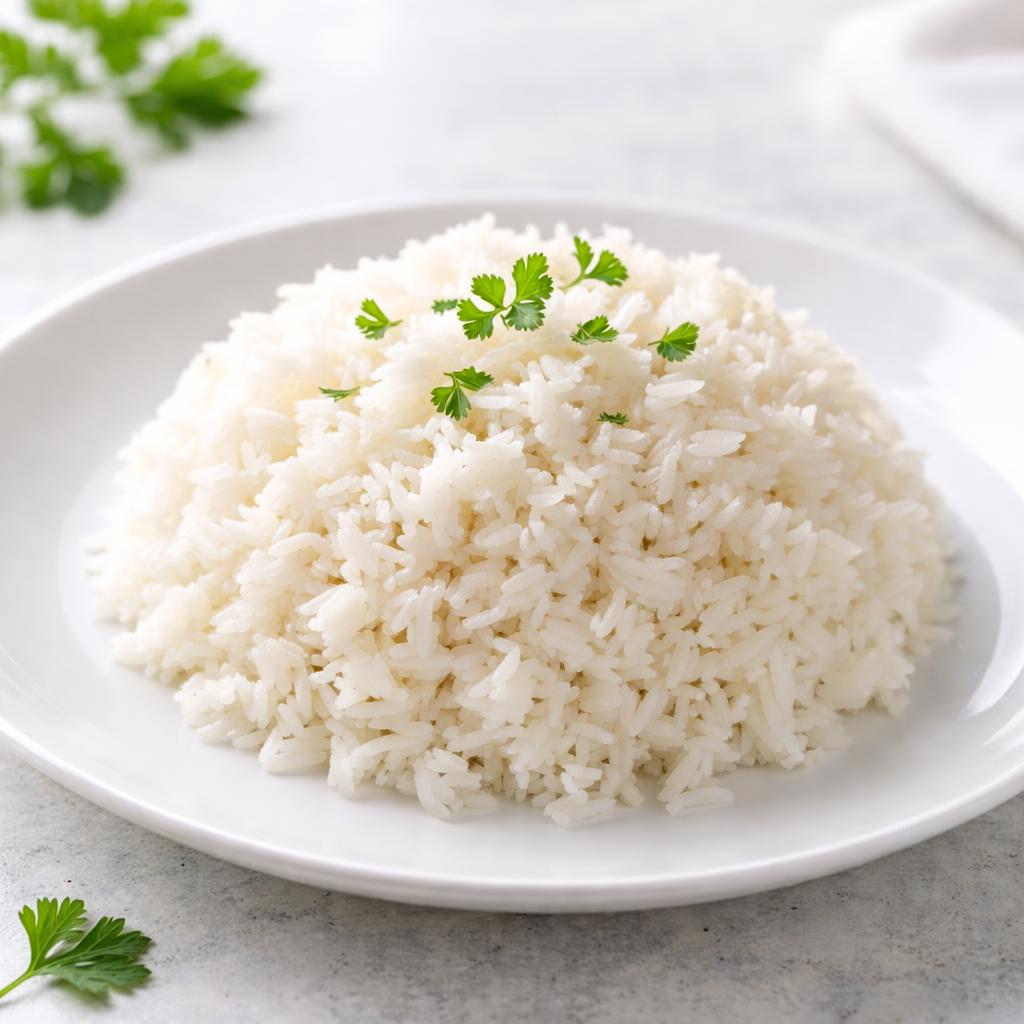
White Rice
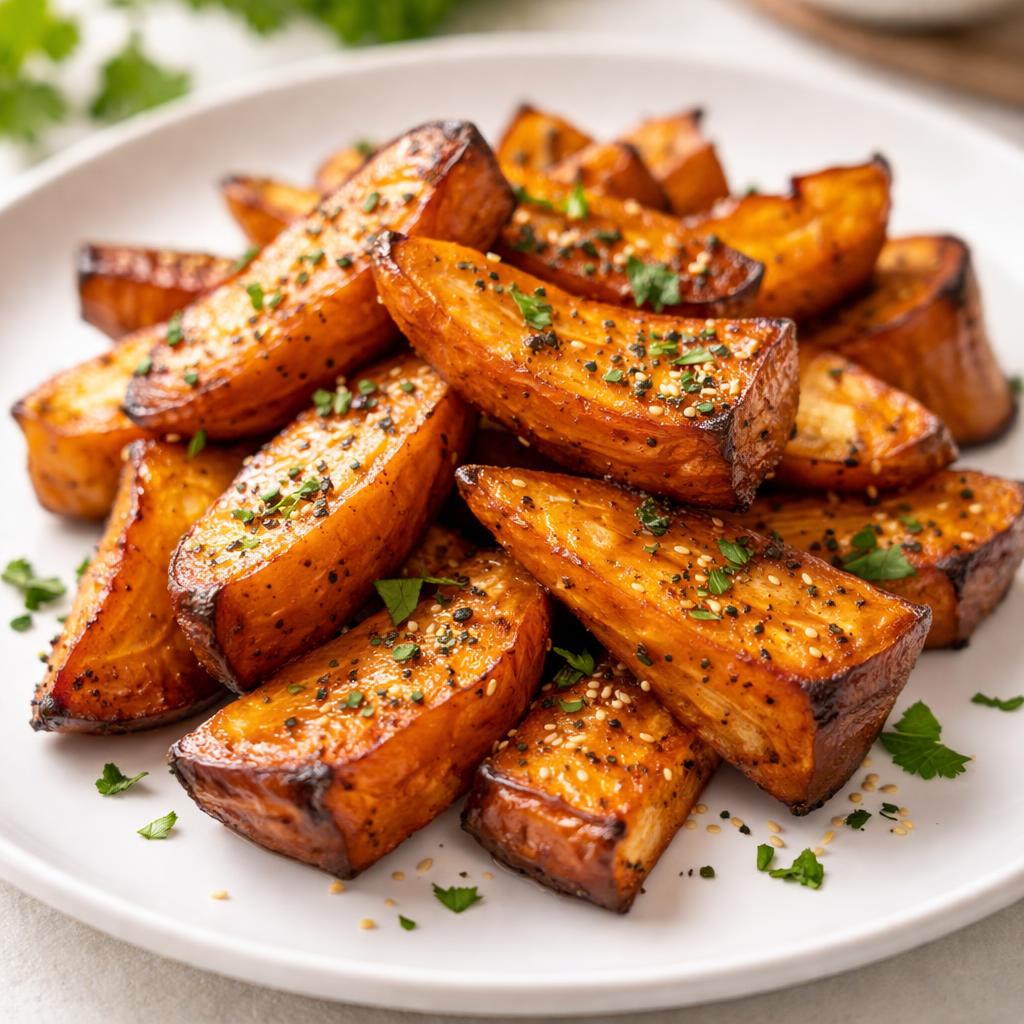
Sweet Potatoes
🎯 Quick Verdict
Sweet potatoes are nutritionally denser compared to white rice, offering more fiber, vitamins, and minerals. White rice, however, is lower in calories and quicker to digest, making it suitable for athletes or situations requiring rapid energy replenishment. Sweet potatoes excel for overall health and balanced eating due to their nutrient profile.

Smart Nutrition Tracking with SnapCalorie

📊 Nutritional Comparison
Macronutrients
| Nutrient | Food 1 | Food 2 | Winner |
|---|---|---|---|
| Calories | 205 (per cup, cooked) | 180 (medium-sized, baked) | ✓ |
| Protein | 4g | 4g | − |
| Carbs | 45g | 41g | ✓ |
| Fat | 0.5g | 0g | ✓ |
| Fiber | 0.6g | 4g | ✓ |
Vitamins & Minerals
| Nutrient | Food 1 | Food 2 | Winner |
|---|---|---|---|
| Vitamin A | 0mcg | 900mcg (100% DV) | ✓ |
| Vitamin C | 0mg | 20mg | ✓ |
| Potassium | 68mg | 440mg | ✓ |
| Calcium | 16mg | 30mg | ✓ |
| Iron | 1.9mg | 0.7mg | ✓ |
🏆 Category Winners
Protein
Both foods provide 4g of protein per serving.
Fiber
Sweet potatoes contain over 6 times more fiber than white rice.
Calories
White rice has slightly lower calories per serving than sweet potatoes.
Vitamins
Sweet potatoes have far more Vitamin A, Vitamin C, and potassium compared to white rice.
🥗 Diet Compatibility
Keto
Food 1: Not Compatible
Food 2: Not Compatible
Both are high in carbohydrates.
Vegan
Food 1: Compatible
Food 2: Compatible
Both foods are plant-based.
Gluten Free
Food 1: Compatible
Food 2: Compatible
Neither contains gluten.
Paleo
Food 1: Not Compatible
Food 2: Compatible
Sweet potatoes align closely with paleo guidelines, but white rice does not.
Low Carb
Food 1: Not Compatible
Food 2: Not Compatible
Both foods are high-carb sources and unsuitable for low-carb diets.
💪 Health Benefits Comparison
Food 1 Benefits
- Quick energy source for athletes or active individuals
- Low in fat for easy digestion
- Provides iron to support red blood cell production
Food 2 Benefits
- High in fiber to promote digestion and satiety
- Rich in Vitamin A for eye health and immune function
- Contains antioxidants that reduce oxidative stress
- Provides potassium for muscle and nerve function
✅ The Bottom Line
Choose sweet potatoes if you're prioritizing overall nutrition and long-lasting energy. Opt for white rice if you need a quick carbohydrate source or prefer lower calories. Sweet potatoes are ideal for balanced eating and vitamin intake, while white rice works well for athletic performance or simplicity.
Choose Food 1 for: Athletes needing quick energy, calorie-controlled diets, simplicity in cooking
Choose Food 2 for: Balanced diets, digestive health, enhancing nutrient intake in meals


