White Rice VS Sun-Dried Tomatoes
A detailed nutritional comparison
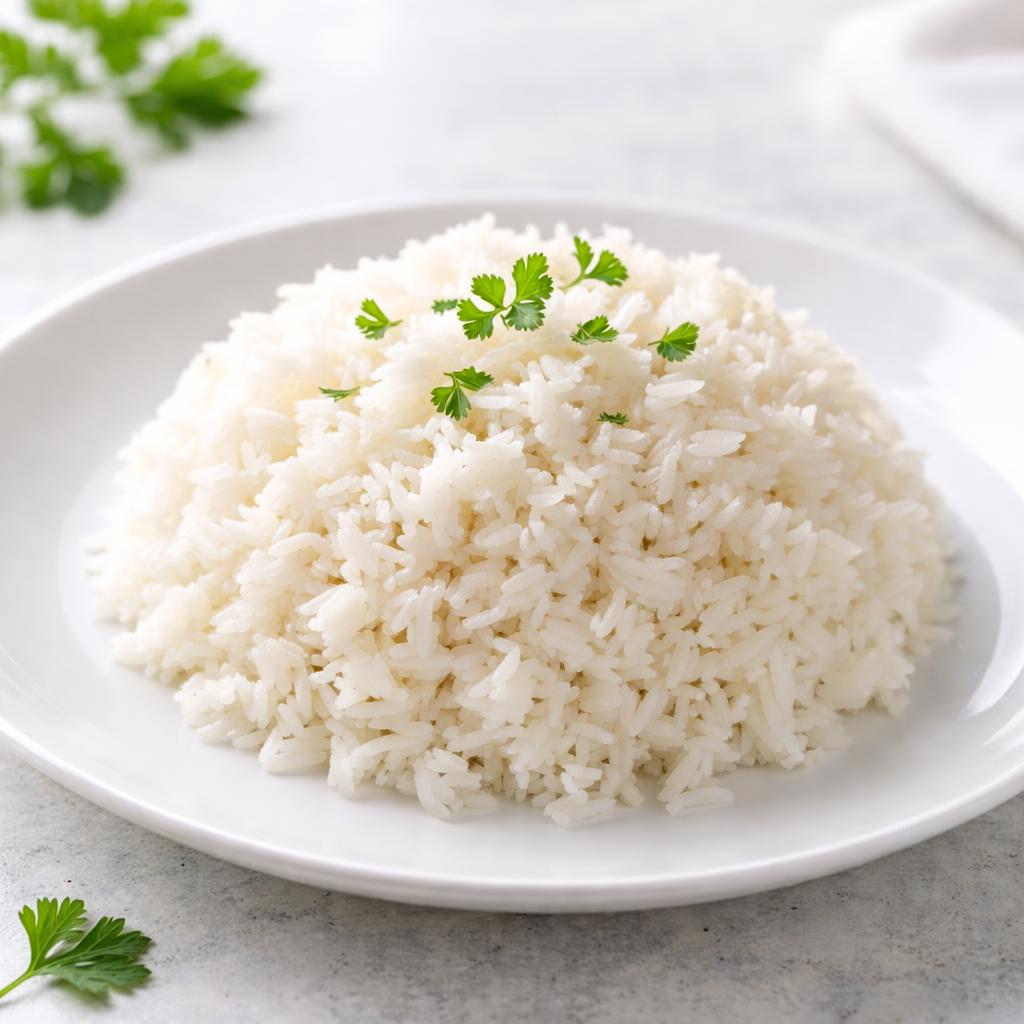
White Rice
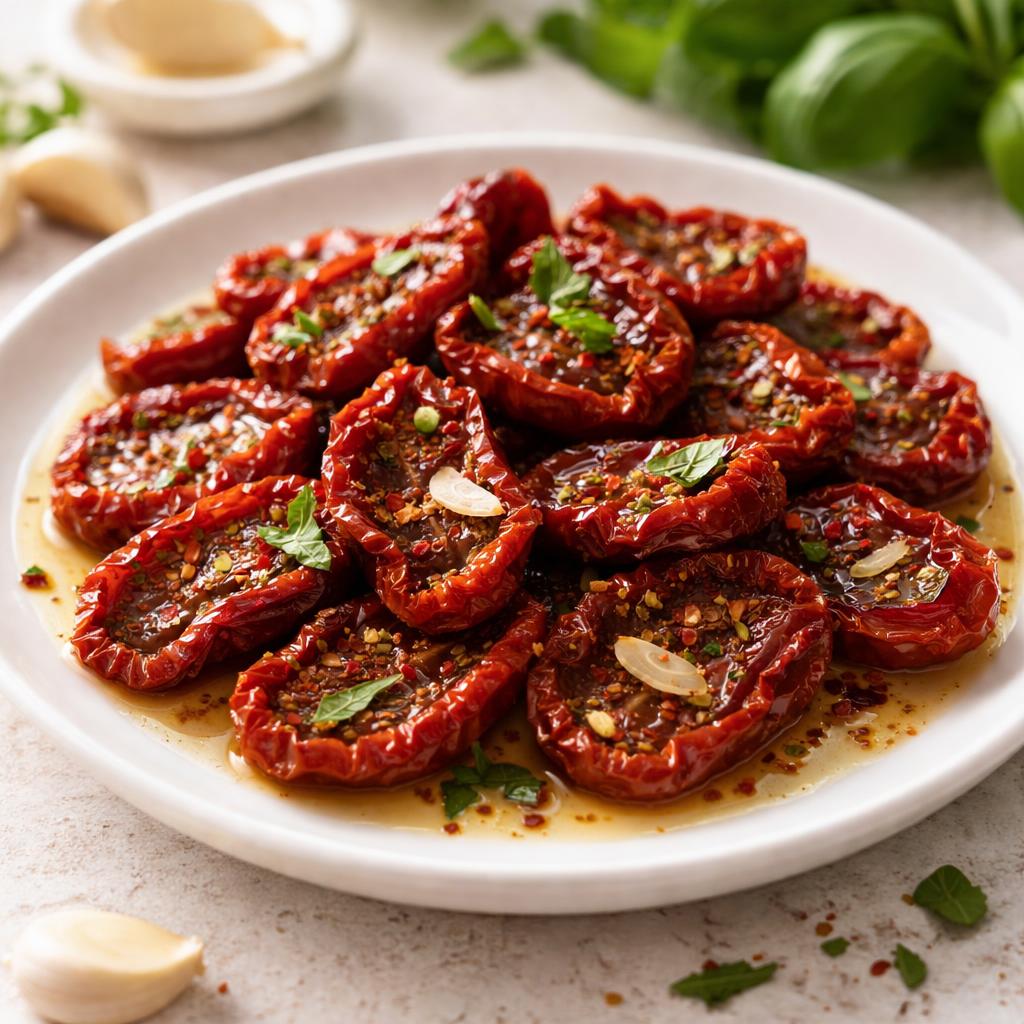
Sun-Dried Tomatoes
🎯 Quick Verdict
Sun-dried tomatoes are nutritionally rich, offering significantly more protein, fiber, and key vitamins than white rice. White rice is higher in calories and primarily a source of carbohydrate, making it better suited for energy needs. Use sun-dried tomatoes for nutrient density and white rice for a mild, versatile base in meals.

Smart Nutrition Tracking with SnapCalorie

📊 Nutritional Comparison
Macronutrients
| Nutrient | Food 1 | Food 2 | Winner |
|---|---|---|---|
| Calories | 130 (per 100g cooked) | 82 (per 100g) | ✓ |
| Protein | 2.7g | 5.2g | ✓ |
| Carbs | 28g | 18g | ✓ |
| Fat | 0.3g | 1g | ✓ |
| Fiber | 0.4g | 3g | ✓ |
Vitamins & Minerals
| Nutrient | Food 1 | Food 2 | Winner |
|---|---|---|---|
| Vitamin A | 0IU | 854IU | ✓ |
| Vitamin C | 0mg | 39.2mg | ✓ |
| Iron | 0.2mg | 3.9mg | ✓ |
🏆 Category Winners
Protein
Sun-dried tomatoes have nearly double the protein content per serving compared to white rice.
Fiber
Sun-dried tomatoes offer significantly more fiber, promoting digestive health.
Calories
Sun-dried tomatoes are lower in calories, supporting weight management.
Vitamins
Sun-dried tomatoes are rich in Vitamin A, C, and iron compared to white rice.
🥗 Diet Compatibility
Keto
Food 1: Not Compatible
Food 2: Compatible
Food1 is high-carb, while Food2 is lower in carbs.
Vegan
Food 1: Compatible
Food 2: Compatible
Both foods are plant-based.
Gluten Free
Food 1: Compatible
Food 2: Compatible
Neither food contains gluten.
Paleo
Food 1: Not Compatible
Food 2: Compatible
White rice does not fit paleo guidelines, while sun-dried tomatoes are suitable.
Low-Carb
Food 1: Not Compatible
Food 2: Compatible
White rice is a high-carb food, whereas sun-dried tomatoes are relatively lower in carbs.
💪 Health Benefits Comparison
Food 1 Benefits
- Quick source of energy due to high carbohydrate content
- Low-fat and easy to digest
- Versatile base for meals and can be paired with nutrient-rich foods
Food 2 Benefits
- Rich in antioxidants like lycopene, supporting heart health
- High in fiber, promoting digestive regularity
- Excellent source of Vitamin C and iron, boosting immunity and energy levels
✅ The Bottom Line
Choose sun-dried tomatoes for nutrient density, especially if your diet prioritizes vitamins, fiber, and protein. White rice is better suited as a carbohydrate source for energy-demanding days or post-workout recovery when paired with protein-rich ingredients.
Choose Food 1 for: Energy needs, pairing with other nutrient-dense foods, budget-friendly meals
Choose Food 2 for: Heart health, immune support, nutrient-dense recipes


