White Rice VS Hamburger Bun
A detailed nutritional comparison
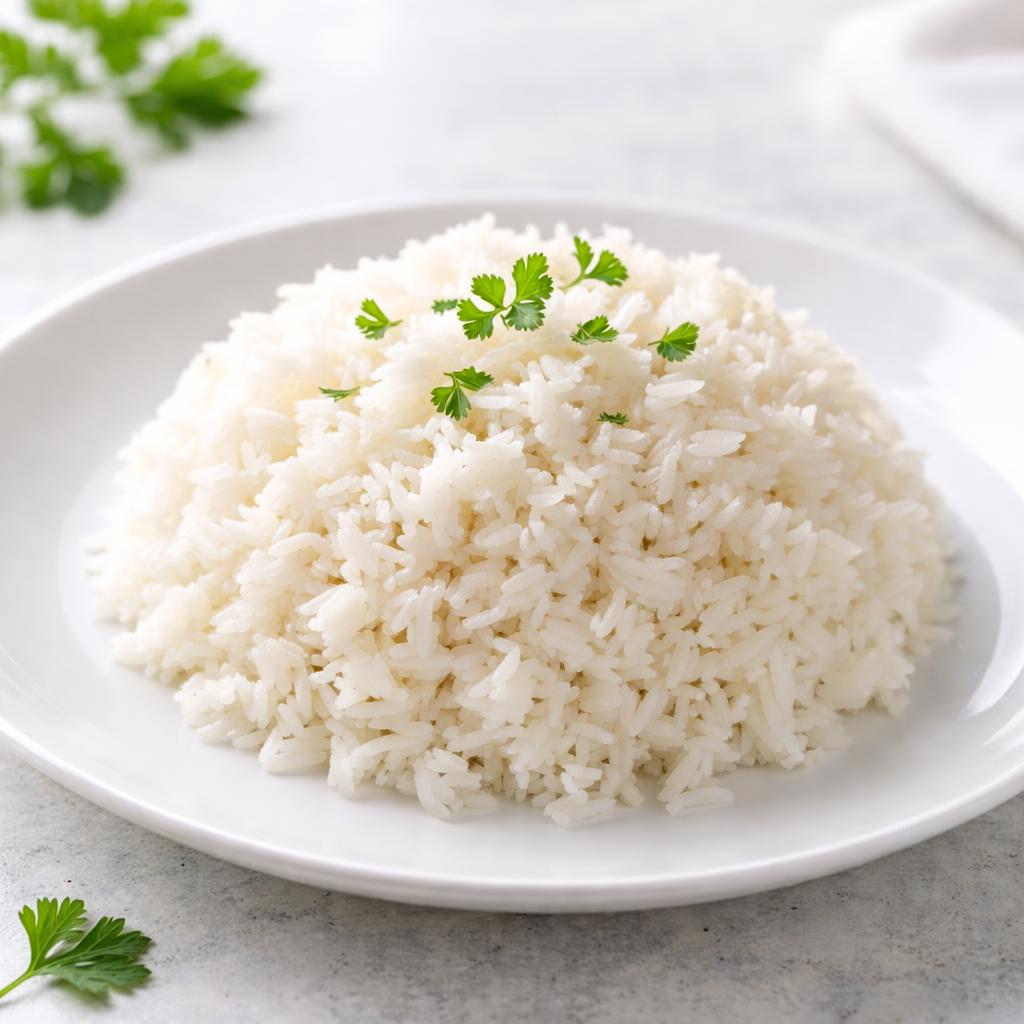
White Rice
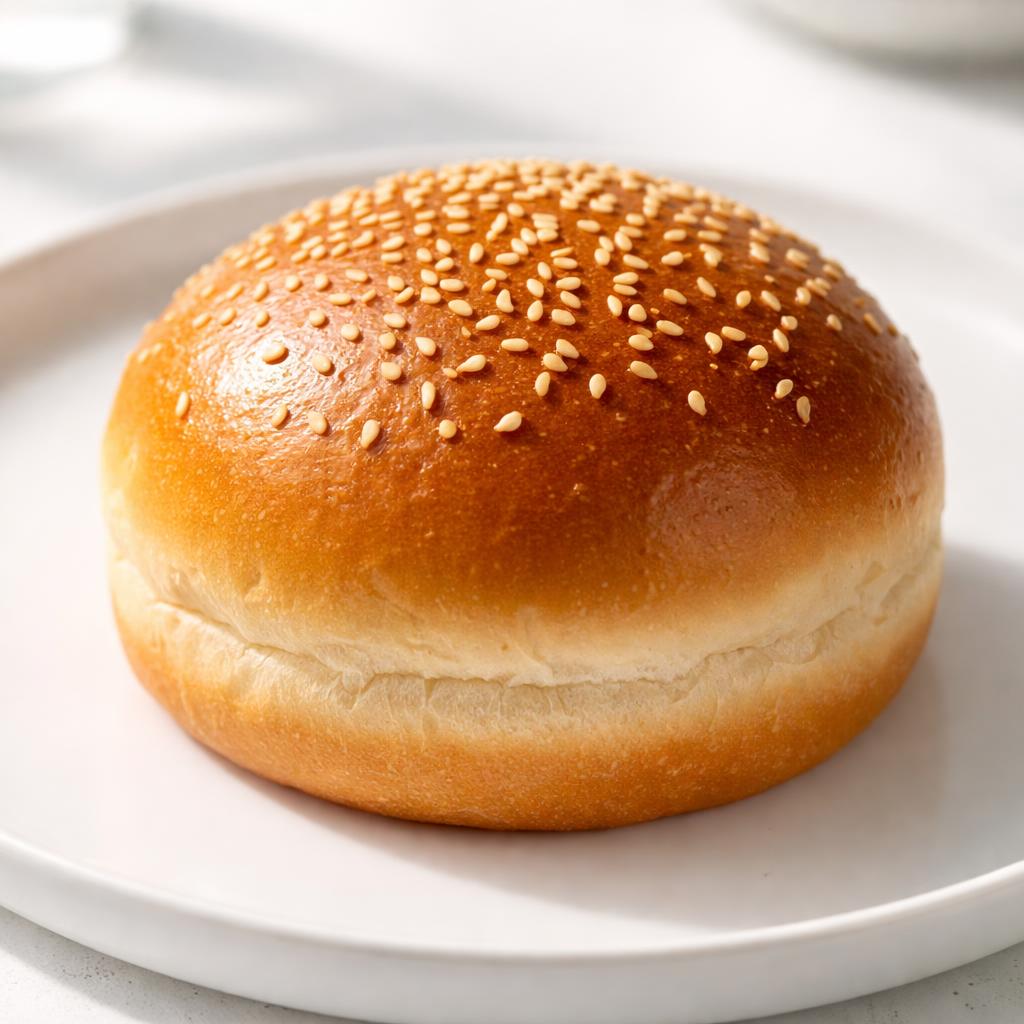
Hamburger Bun
🎯 Quick Verdict
Hamburger buns generally offer more protein (7g vs 2g) and fiber (1g vs 0g) than white rice per 100g, making them more nutritious overall. White rice has slightly fewer calories and is often a better option for low-fiber diets or as a versatile carb source without gluten. Ultimately, use white rice for a gluten-free or paleo meal, while hamburger buns are better for protein and fiber intake in sandwich-based meals.

Smart Nutrition Tracking with SnapCalorie

📊 Nutritional Comparison
Macronutrients
| Nutrient | Food 1 | Food 2 | Winner |
|---|---|---|---|
| Calories | 150 | 150 | − |
| Protein | 2g | 7g | ✓ |
| Carbs | 34g | 28g | ✓ |
| Fat | 0g | 4g | ✓ |
| Fiber | 0g | 1g | ✓ |
Vitamins & Minerals
| Nutrient | Food 1 | Food 2 | Winner |
|---|---|---|---|
| Vitamin D | 0mcg | 0.5mcg | ✓ |
| Calcium | 10mg | 140mg | ✓ |
| Iron | 0.2mg | 2mg | ✓ |
🏆 Category Winners
Protein
Hamburger buns provide 250% more protein per serving.
Fiber
Hamburger buns contain fiber (1g), while white rice has none.
Calories
Both foods contain 150 calories per 100g serving.
Vitamins
Hamburger buns are higher in iron, calcium, and vitamin D compared to white rice.
🥗 Diet Compatibility
Keto
Food 1: Not Compatible
Food 2: Not Compatible
Neither food is low-carb.
Vegan
Food 1: Compatible
Food 2: Compatible
Both foods are plant-based and contain no animal products.
Gluten Free
Food 1: Compatible
Food 2: Not Compatible
White rice is naturally gluten-free; hamburger buns typically contain wheat.
Paleo
Food 1: Compatible
Food 2: Not Compatible
White rice fits paleo diets due to its unprocessed nature; hamburger buns do not.
Low Carb
Food 1: Not Compatible
Food 2: Not Compatible
Both are high in carbs per serving (28-34g).
💪 Health Benefits Comparison
Food 1 Benefits
- Gluten-free and suitable for individuals with gluten intolerance
- Low in fat, making it suitable for low-fat diets
- Versatile carb source that pairs well with a variety of dishes
Food 2 Benefits
- Provides more protein for muscle maintenance
- Higher calcium content supports bone health
- Contains some fiber, beneficial for digestion
✅ The Bottom Line
Choose white rice if you need a gluten-free or paleo-friendly carb, or prefer a low-fat option that complements diverse dishes. Opt for hamburger buns if seeking a more balanced food with additional protein, fiber, and minerals for general nutrition.
Choose Food 1 for: Gluten-free diets, paleo meals, low-fat diets
Choose Food 2 for: Meal sandwiches, nutrient-dense carbs, casual meals


