White Rice VS Garlic Mashed Potatoes
A detailed nutritional comparison
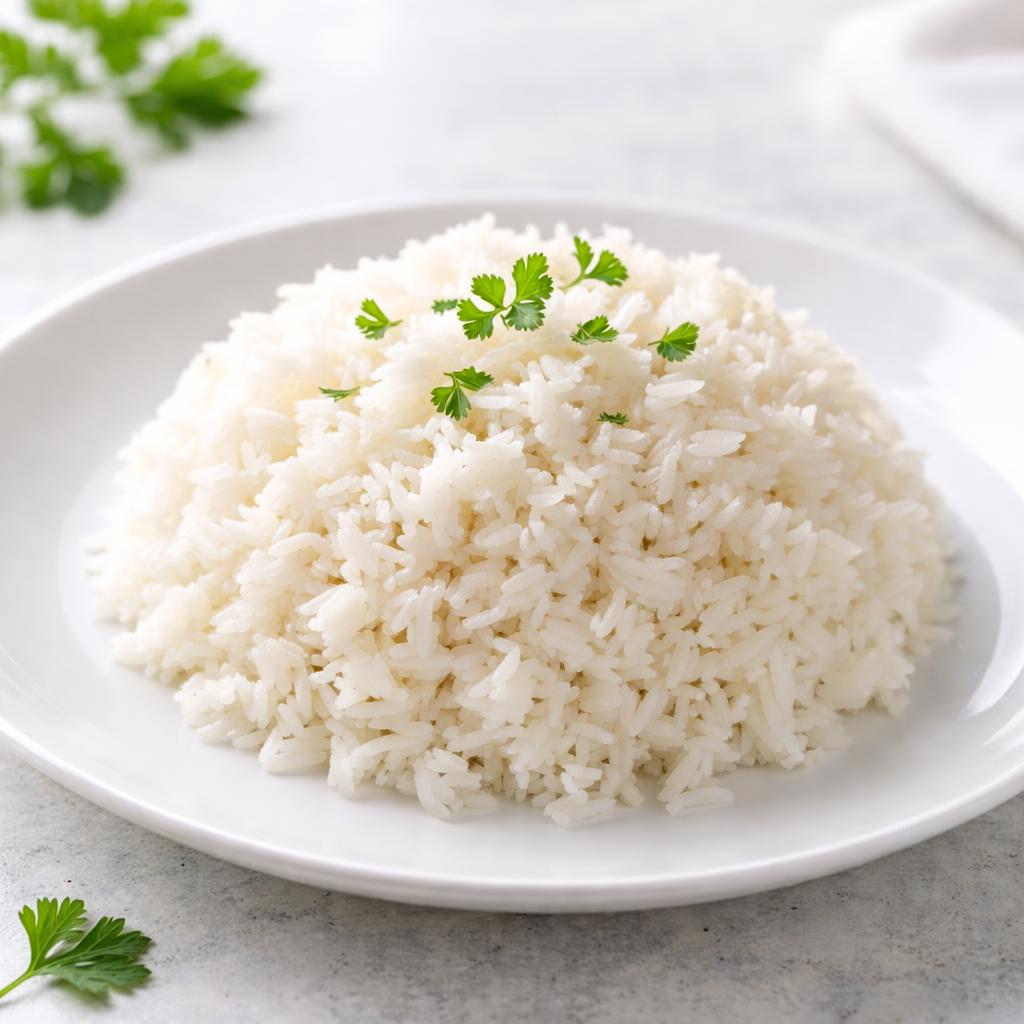
White Rice
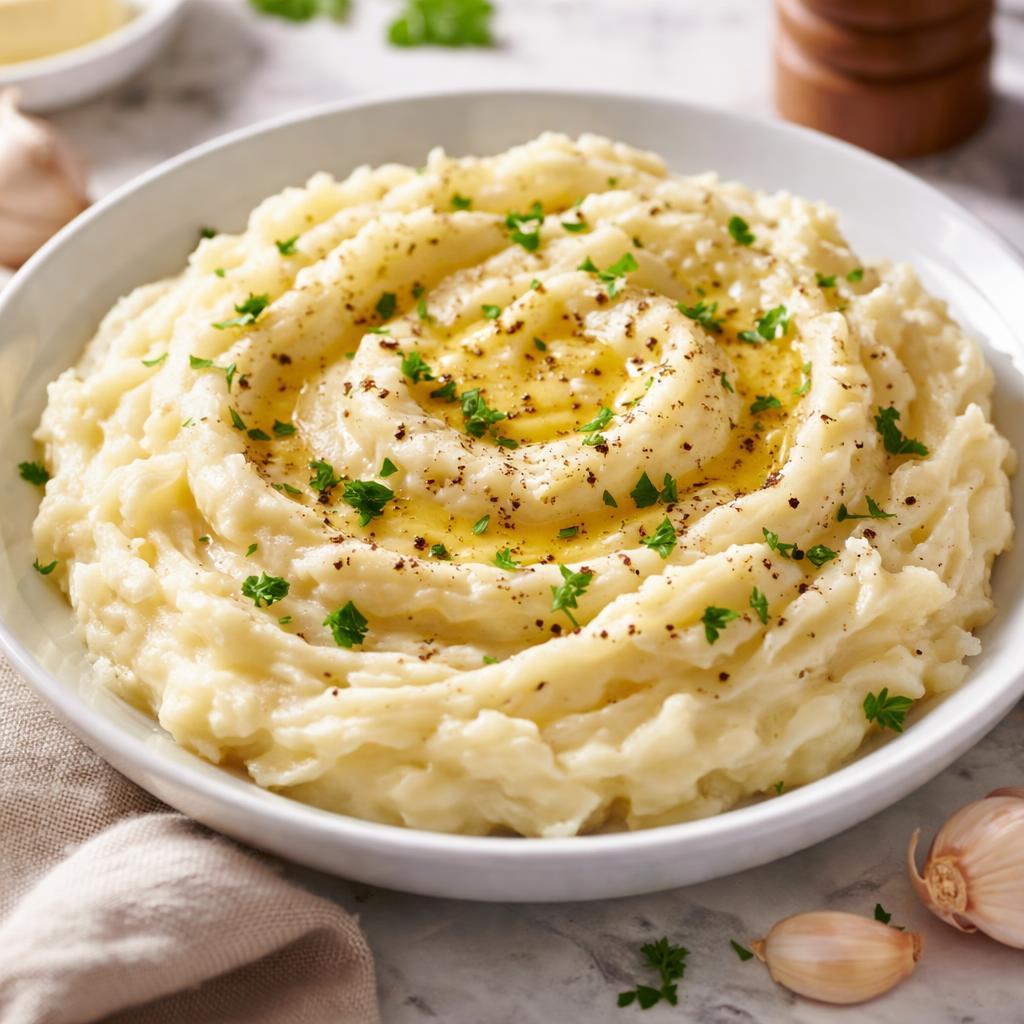
Garlic Mashed Potatoes
🎯 Quick Verdict
White rice and garlic mashed potatoes differ significantly in nutritional value. White rice is lower in both calories and fiber, making it a lighter option, while garlic mashed potatoes provide more fiber, vitamins, and flavor. Choose white rice for low-fat, low-calorie meals, and garlic mashed potatoes for a nutrient-dense and flavorful side dish.

Smart Nutrition Tracking with SnapCalorie

📊 Nutritional Comparison
Macronutrients
| Nutrient | Food 1 | Food 2 | Winner |
|---|---|---|---|
| Calories | 200 | 250 | − |
| Protein | 4g | 4g | − |
| Carbs | 45g | 35g | − |
| Fat | 0.5g | 9g | − |
| Fiber | 0.5g | 3g | − |
Vitamins & Minerals
| Nutrient | Food 1 | Food 2 | Winner |
|---|---|---|---|
| Vitamin C | 0mg | 10mg | − |
| Potassium | 55mg | 400mg | − |
| Vitamin B6 | 0.1mg | 0.3mg | − |
🏆 Category Winners
Protein
Both foods provide 4g of protein per serving.
Fiber
Garlic mashed potatoes have 500% more fiber (3g vs 0.5g).
Calories
White rice contains 20% fewer calories per serving.
Vitamins
Garlic mashed potatoes provide significantly more vitamin C, potassium, and vitamin B6.
🥗 Diet Compatibility
Keto
Food 1: Not Compatible
Food 2: Not Compatible
Both are high in carbohydrates.
Vegan
Food 1: Compatible
Food 2: Not Compatible
White rice is plant-based; mashed potatoes may contain dairy like butter or milk.
Gluten Free
Food 1: Compatible
Food 2: Compatible
Neither food contains gluten.
Paleo
Food 1: Compatible
Food 2: Compatible
Both naturally align with paleo diets but check mashed potato ingredients for dairy exclusions.
Low-Carb
Food 1: Not Compatible
Food 2: Not Compatible
Both are carbohydrate-heavy foods.
💪 Health Benefits Comparison
Food 1 Benefits
- Low in fat for heart-health-friendly meals
- Easily digestible fuel for quick energy
- Gluten-free alternative for sensitive diets
Food 2 Benefits
- Rich in potassium for blood pressure regulation
- Provides dietary fiber for improved digestion
- Contains antioxidants and vitamin C for immune support
✅ The Bottom Line
Choose white rice for lighter meals, lower calories, and easily digestible energy. Opt for garlic mashed potatoes to boost fiber intake and add flavor, vitamins, and minerals to your meal.
Choose Food 1 for: Low-calorie diets, simple energy provision, gluten-free plans
Choose Food 2 for: Vitamin-rich meals, fiber intake, heart-health-focused diets


