White Rice VS Fried Egg
A detailed nutritional comparison
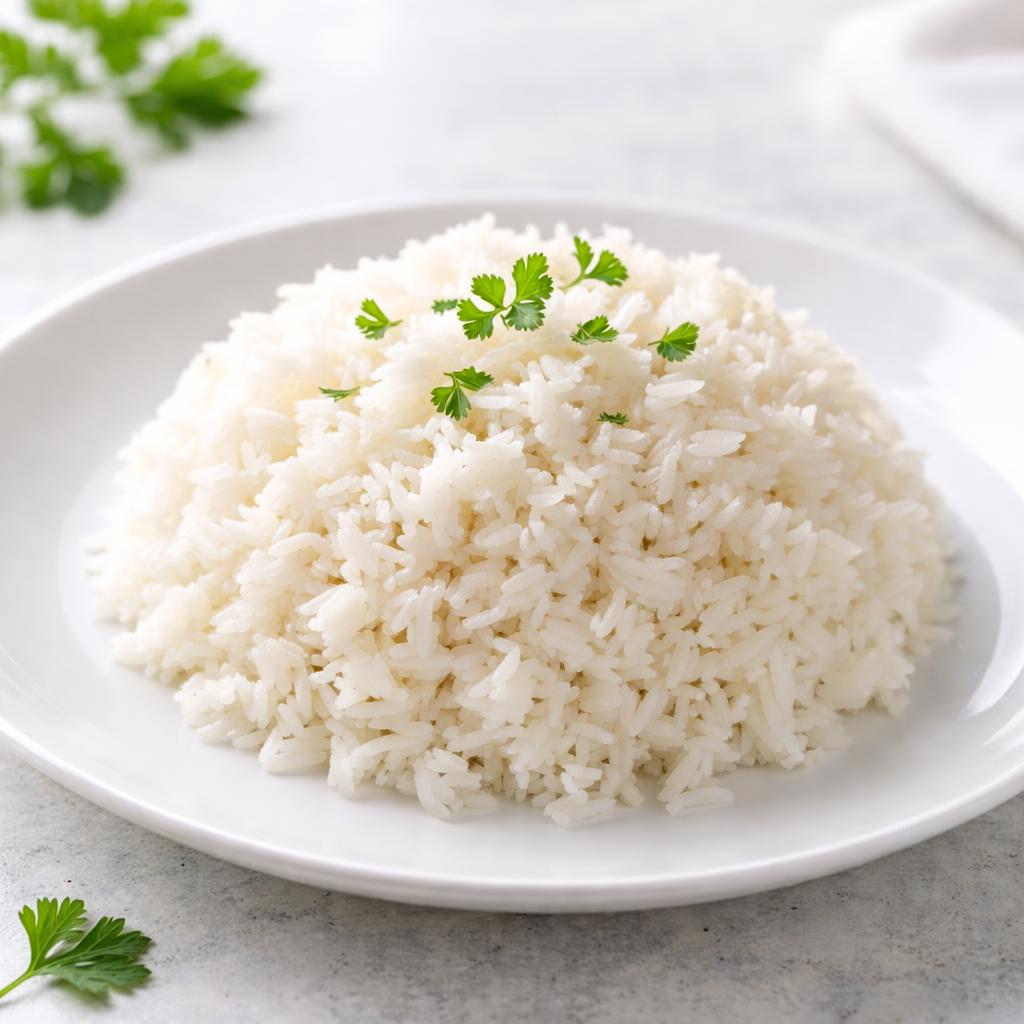
White Rice
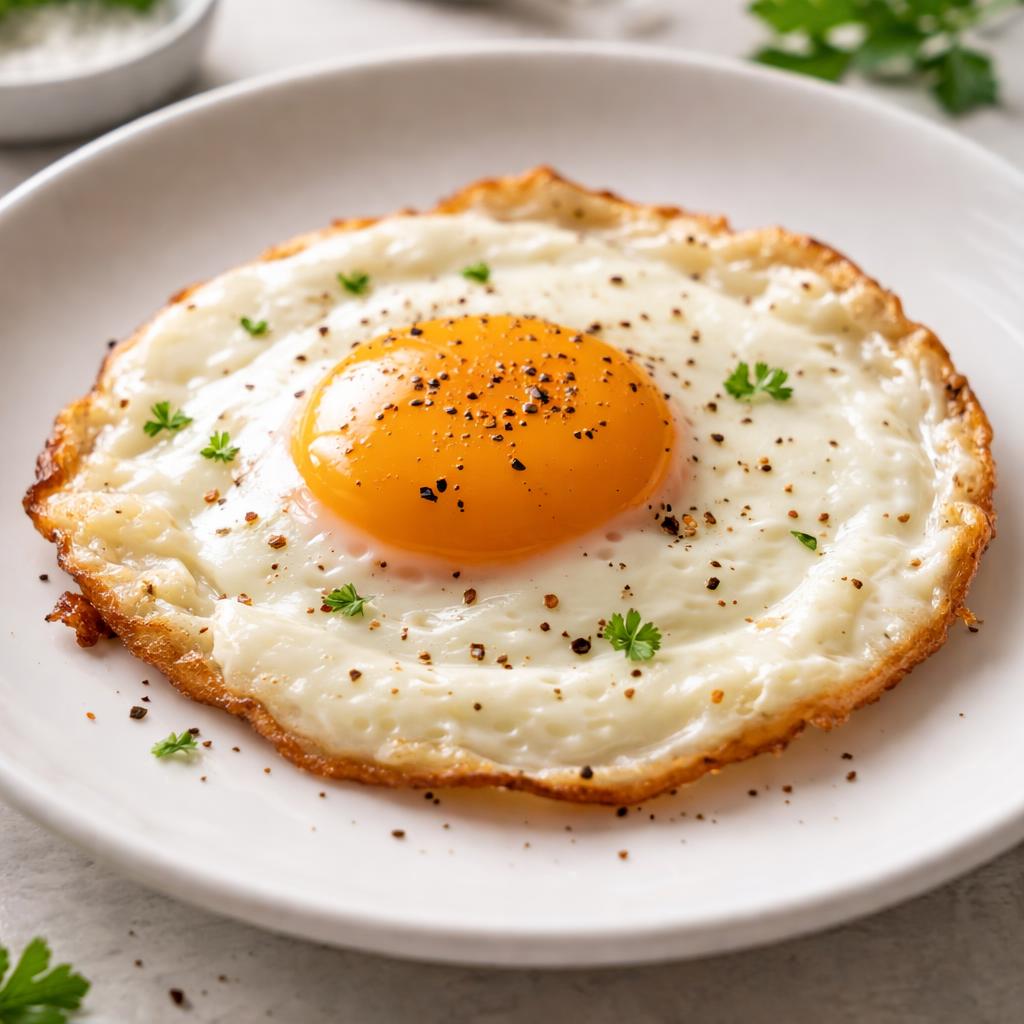
Fried Egg
🎯 Quick Verdict
Fried egg is the better choice overall due to higher protein content (6g vs 2g), lower calorie density (90 kcal vs 130 kcal per serving), and essential vitamins like B12 and D found only in animal products. White rice is advantageous for quick energy and is lower in fat, making it a safer choice for low-fat meals, but lacks fiber and micronutrients compared to the egg. Choose rice for carb-loading and eggs for a nutrient-packed option.

Smart Nutrition Tracking with SnapCalorie

📊 Nutritional Comparison
Macronutrients
| Nutrient | Food 1 | Food 2 | Winner |
|---|---|---|---|
| Calories | 130 kcal | 90 kcal | ✓ |
| Protein | 2g | 6g | ✓ |
| Carbs | 28g | 0.6g | ✓ |
| Fat | 0.3g | 7g | ✓ |
| Fiber | 0g | 0g | − |
Vitamins & Minerals
| Nutrient | Food 1 | Food 2 | Winner |
|---|---|---|---|
| Vitamin B12 | 0mcg | 0.6mcg | ✓ |
| Vitamin D | 0mcg | 1mcg | ✓ |
| Choline | 0mg | 147mg | ✓ |
🏆 Category Winners
Protein
Fried egg has 3x more protein per serving compared to white rice.
Fiber
Both foods are low in fiber with 0g per serving.
Calories
Fried egg has 40 fewer calories per serving.
Vitamins
Fried egg wins with essential vitamins like B12 and D, which are absent in white rice.
🥗 Diet Compatibility
Keto
Food 1: Not Compatible
Food 2: Compatible
Fried egg is a high-fat, low-carb option, whereas white rice is high-carb.
Vegan
Food 1: Compatible
Food 2: Not Compatible
White rice is plant-based, while fried egg is an animal product.
Gluten Free
Food 1: Compatible
Food 2: Compatible
Neither food contains gluten.
Paleo
Food 1: Not Compatible
Food 2: Compatible
White rice is not considered paleo, but eggs are a staple of the diet.
Low-Carb
Food 1: Not Compatible
Food 2: Compatible
White rice is carb-heavy with 28g per serving, while fried egg has less than 1g of carbs.
💪 Health Benefits Comparison
Food 1 Benefits
- Provides quick energy due to high carbohydrate content
- Low in fat, making it heart-friendly for low-fat diets
- Easy to digest, suitable for sensitive stomachs
Food 2 Benefits
- High in protein for muscle repair and growth
- Rich in choline, supporting brain and nervous system health
- Contains Vitamin D, aiding bone health and calcium absorption
- Has healthy fats that support heart and cell function
✅ The Bottom Line
Choose fried egg for a more nutrient-dense option rich in protein, vitamins, and healthy fats. Opt for white rice if you need quick digestible energy, particularly for carb-loading or low-fat meal contexts.
Choose Food 1 for: Carb-loading, low-fat diets, energy before workouts
Choose Food 2 for: High-protein diets, weight loss, nutrient-rich meals


