White Rice VS Chicken Breast With Sauce
A detailed nutritional comparison
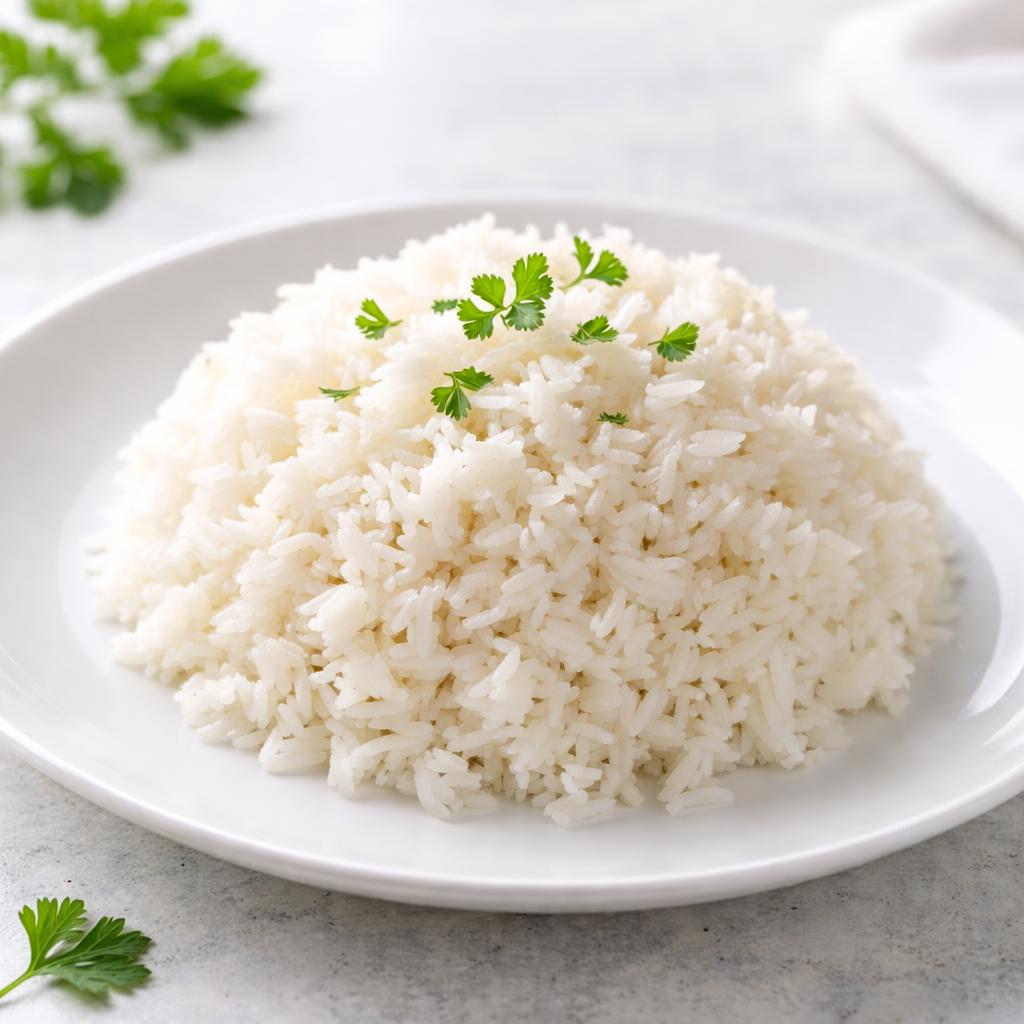
White Rice
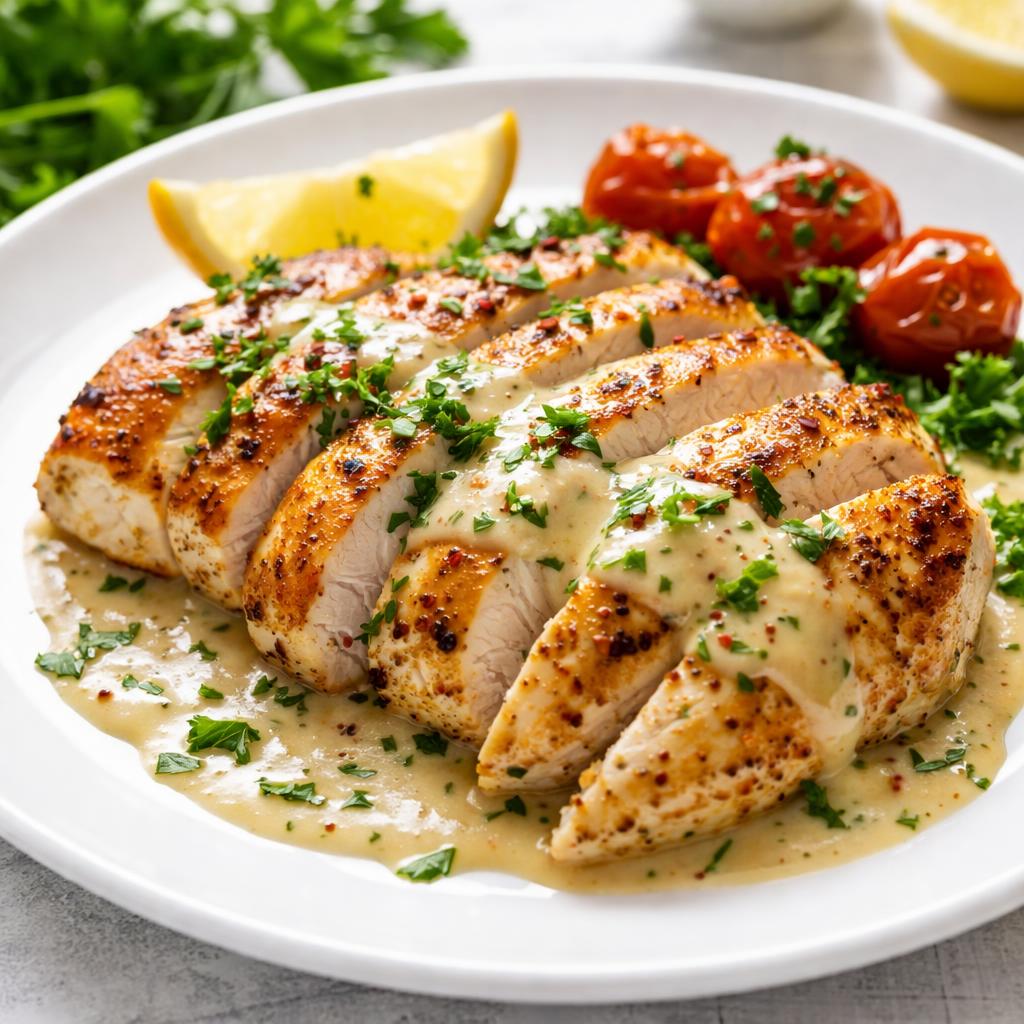
Chicken Breast With Sauce
🎯 Quick Verdict
Chicken breast with sauce significantly outperforms white rice in protein content, offering over 20 times more protein per serving, while being lower in calories. Both are low in fiber, making them less optimal for digestion. White rice is primarily carbohydrate-focused, while the chicken breast supports muscle maintenance and weight management with its high protein and moderate fat content.

Smart Nutrition Tracking with SnapCalorie

📊 Nutritional Comparison
Macronutrients
| Nutrient | Food 1 | Food 2 | Winner |
|---|---|---|---|
| Calories | 204 | 165 | ✓ |
| Protein | 4.3g | 31g | ✓ |
| Carbs | 45g | 4g | ✓ |
| Fat | 0.4g | 3.6g | ✓ |
| Fiber | 0.3g | 0.3g | − |
Vitamins & Minerals
| Nutrient | Food 1 | Food 2 | Winner |
|---|---|---|---|
| Vitamin D | 0mcg | 1mcg | ✓ |
| Calcium | 15mg | 13mg | ✓ |
| Iron | 1.9mg | 0.9mg | ✓ |
🏆 Category Winners
Protein
Chicken breast contains 31g of protein per serving versus only 4.3g in white rice.
Fiber
Neither food is a significant source of fiber, both providing only 0.3g per serving.
Calories
Chicken breast has fewer calories (165 vs 204), making it lower calorie per serving.
Vitamins
White rice offers slightly more calcium and iron, while chicken breast provides vitamin D.
🥗 Diet Compatibility
Keto
Food 1: Not Compatible
Food 2: Compatible
Food2 is low in carbs (4g vs 45g).
Vegan
Food 1: Compatible
Food 2: Not Compatible
White rice is plant-based, while chicken breast is animal-based.
Gluten Free
Food 1: Compatible
Food 2: Compatible
Neither food contains gluten.
Paleo
Food 1: Not Compatible
Food 2: Compatible
Chicken breast fits paleo guidelines; white rice does not due to grain content.
Low Carb
Food 1: Not Compatible
Food 2: Compatible
Food2 is low-carb with just 4g of carbohydrates per serving.
💪 Health Benefits Comparison
Food 1 Benefits
- Provides a quick source of energy
- Low in fat, suitable for low-fat diets
- Simple carbohydrate ideal for recovery meals
Food 2 Benefits
- High protein to support muscle maintenance
- Low-carb for weight management or ketogenic diets
- Provides moderate fats, contributing to satiety
✅ The Bottom Line
Choose white rice for quick energy or as a simple carb source, especially post-exercise. Opt for chicken breast with sauce if you're prioritizing protein intake for muscle growth, weight loss, or a low-carb diet. For overall nutrition and satiety, food2 is superior.
Choose Food 1 for: Quick energy, post-workout recovery, carbohydrate loading
Choose Food 2 for: Weight loss, low-carb diets, muscle building, ketosis-friendly meals


